Temperature Mapping
- How It Works
- Insights
About Temperature Mapping
Our indoor temperature mapping service provides a detailed thermal picture of your building — helping you identify hidden comfort issues, meet compliance requirements, and protect product quality and equipment performance.
Whether you're resolving staff complaints about uncomfortable working conditions, identifying energy inefficiencies, or attempting to demonstrate compliance with storage requirements, we specialise in pinpointing the root causes of thermal inconsistencies and providing practical solutions to ensure your spaces remains at the correct temperature year-round.
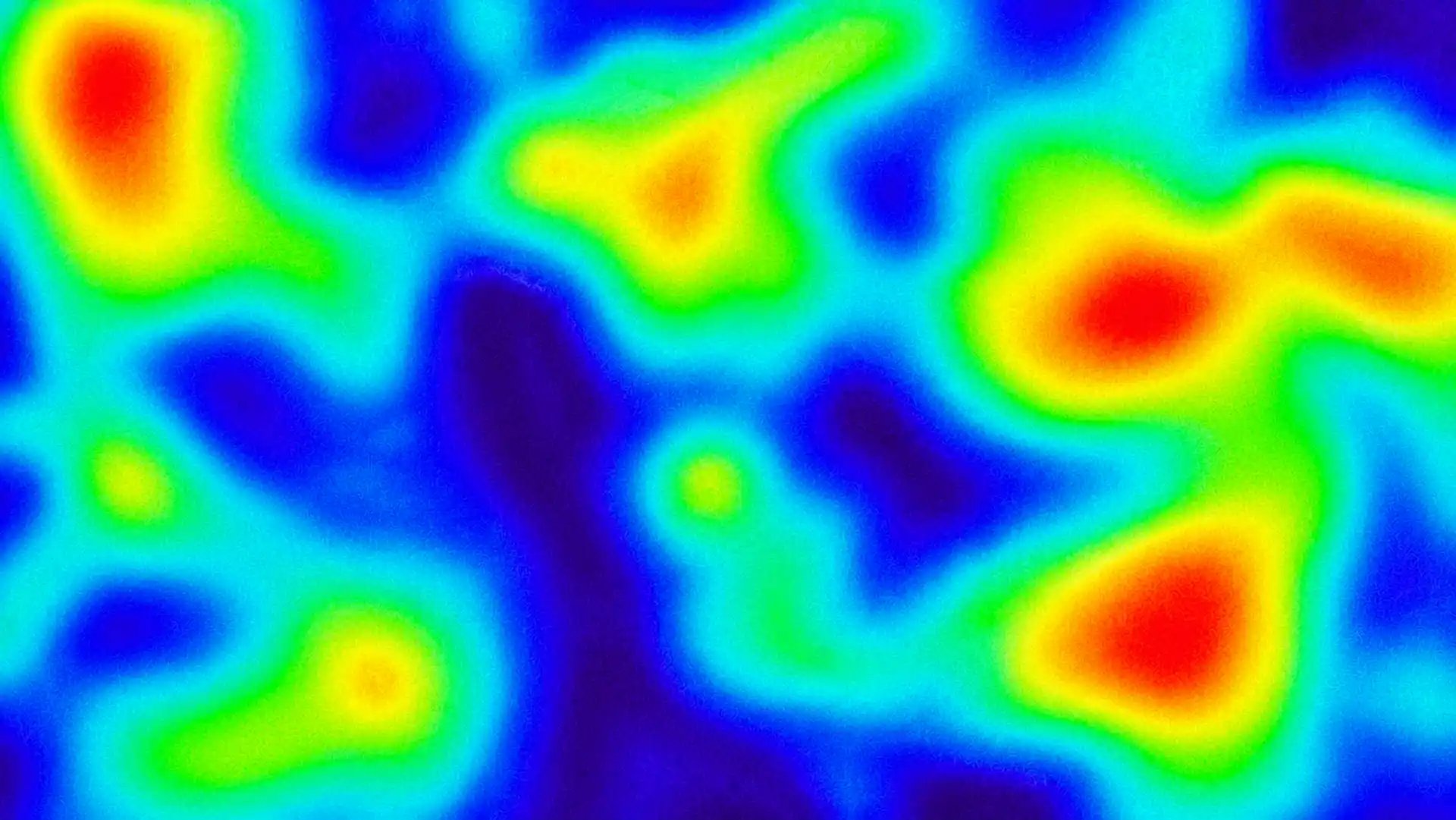
Using non-disruptive air quality monitors deployed across your building, we map temperature distribution across all zones under real operating conditions. This covers both occupied spaces and critical infrastructure areas. We can also use thermal imaging devices on-site to identify areas which could be causing issues.
We conduct temperature mapping for:
- Warehouses
- Cold Stores
- Pharmaceutical facilities
- Cleanrooms
- Laboratories
- Freezer Rooms
- Healthcare Facilities
- Data Centres
- Commercial Offices
- HVAC and AC Systems
Surveys are conducted over a defined period (typically >72 hours), under normal operating conditions. This produces an accurate, real-world thermal map of offices, schools, hospitals, warehouses, laboratories, and other non-residential environments.
All results are benchmarked against UK guidelines including CIBSE recommendations, HSE workplace temperature requirements, and relevant BS standards, with a clear report outlining any issues and practical remediation recommendations.
Benefits of Temperature Mapping
- Identify hotspots and cold zones before issues arise
- Make informed decisions about ventilation balancing
- Provide real-time reassurance to building managers
- Useful for BREEAM, WELL, and Fitwel certifications
Related Insights
Temperature Mapping Process
-
Consultation
1We start every Temperature Mapping Assessment by first asking questions about the space, current ventilation methods, and the specific requirements and challenges our client is facing. -
Thermal Monitoring
2On-site, we deploy a range of monitors throughout different areas to gather temperature data. We also investigate hotspots and cold zones with a handheld thermal imaging device. -
Report Handover
3We provide every client with a full post-inspection report which details exact temperature measurements, insulation issues, and tailored solutions. Every report is unique and carefully constructed.
Temperature Mapping FAQs
Which UK regulations require temperature mapping? ↓
The exact regulations and guidelines differ by industry.
Pharmaceuticals & Storage of Medicines: MHRA GDP Guidelines, EU GDP Guidelines 2013/C343/01, MHRA GMP Guidelines, Care Quality Commission, NHS Green Book, UKAS Calibration.
Food Storage: Food Standards Agency, EN 12830
General Workplaces: Health and Safety at Work Act 1974, COSHH Regulations 2002, CIBSE TM40, CIBSE Guide A.
Green Building Certifications: BREEAM, WELL, Fitwel, etc.
How long does thermal mapping take? ↓
Our engineers can complete a survey in a day or over the course of a few days or weeks, depending on your circumstances. We always recommend monitoring your indoor environment quality (IEQ) — including temperature — for at least 72 hours to gather enough data to take demonstrable actions.
We prefer temperature mapping to be conducted during normal operating hours, as this gives us data which accurately represents real working conditions — allowing us to fix issues quicker and more effectively.
How do you guarantee reliable results? ↓
We always prefer to conduct temperature assessments over a number of days or weeks to ensure we are provided with realistic data and understand the whole picture.
The IAQ monitors we use, which also record temperature, are professional-grade, regularly calibrated, and widely trusted by the industry — as are our thermal imaging devices. With both of these technologies combined, we can assess temperatures over long periods to measure averages and identify spikes, and we can also record in-the-moment temperatures with our handheld devices to identify spots causing trouble.
Why is it important to test the thermal efficiency of your HVAC? ↓
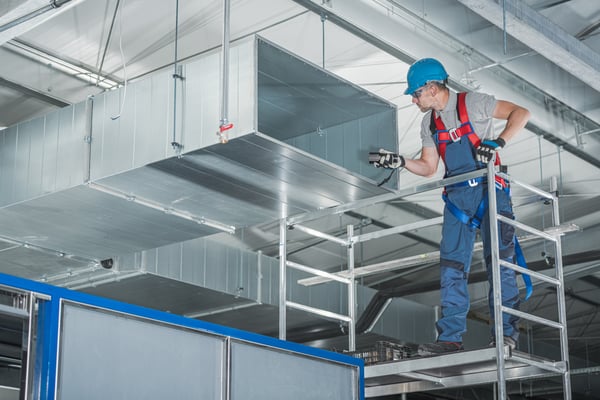
To identify HVAC problems, thermal cameras and sensors effectively make air distribution visible by capturing temperature differentials created by supply and return air. They pinpoint blocked diffusers, poorly balanced zones, leaking ductwork, and areas receiving insufficient conditioned air — all key factors in a temperature mapping qualification.
What's included in a temperature mapping service? ↓
A temperature mapping service is a systematic process of measuring, recording, and analysing temperature (and sometimes humidity) distribution across a controlled space over time.
This service identifies hot or cold spots, validates that an environment consistently meets regulatory thresholds, and produces documented evidence for compliance audits. With us, you receive a personalised post-assessment report detailing our findings, suggestions, and proof that you've taken action to secure the correct temperatures in your space.
Who needs temperature mapping services? ↓
Pharmaceutical manufacturers, biotech labs, hospitals, blood banks, food processing facilities, cold chain logistics providers, and any regulated industry where product integrity depends on maintaining specific environmental conditions.
How often do I need a thermal mapping service? ↓
We recommend mapping after initial installations, after any structural renovations or layout changes, major equipment changes, and at least annually for ongoing proof of compliance.
Temperature mapping exercises should be repeated throughout the year to cover seasonal variations, according to the MHRA Inspectorate (2016)
High-risk environments may require temperature mapping more frequently.
Why Choose ARM for your Temperature Mapping?
We don’t offer general building services – we specialise in improving indoor environment quality, using the latest technology and best-practice frameworks to guide our assessments.
Our engineers are SafeContractor and BESA certified, and we play an active role in shaping UK standards like BS 40102. Whether you need a one-off air quality assessment or long-term monitoring support, we deliver insight, clarity, and meaningful results you can act on.