Ventilation Validation
- How It Works
- Featured Project
- Insights
About Ventilation Validation
At ARM Environments, we provide independent ventilation validation surveys for non-residential buildings across the UK, covering both traditional mechanical ventilation systems and modern ventilation systems (like MVHR) of all sizes.
Our process begins with a detailed ventilation system assessment to test air flow performance against original design intent, current ventilation requirements, and applicable regulations. Whether you operate a full building ventilation system or specific plant such as air handling units, our engineers carry out comprehensive ventilation and AHU validation surveys to confirm your systems are operating as intended.
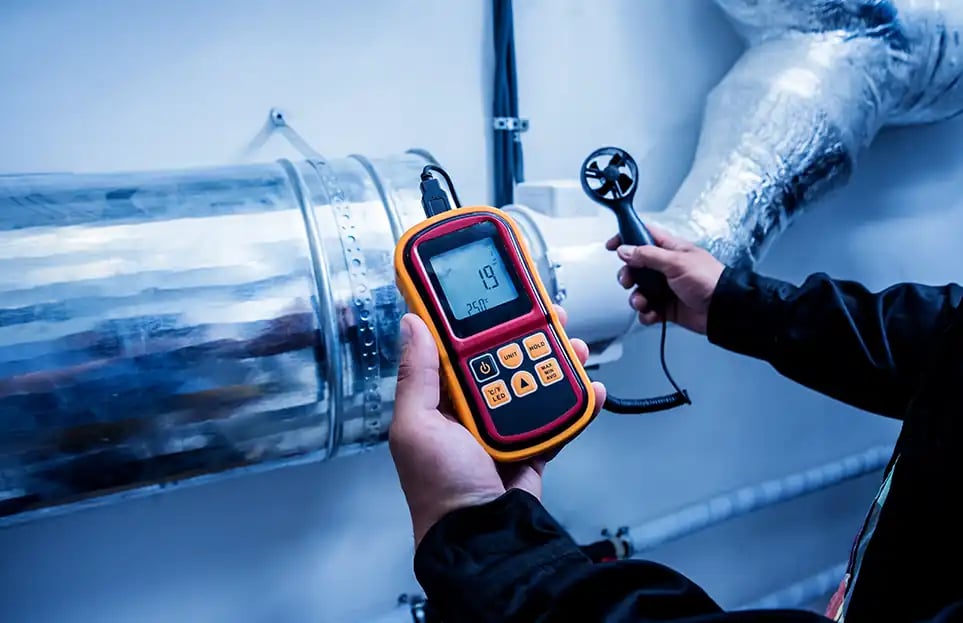
Our certified engineers complete ventilation airflow testing, pressure measurements, and system balancing across your mechanical ventilation system. As part of our ventilation surveying and AHU validation services, we assess distribution effectiveness, extract performance, and overall ventilation system integrity. We also undertake ventilation system air quality checks to ensure contaminants are effectively removed and standards are met.
All results are compiled into a clear, structured ventilation report, incorporating detailed validation reports, performance data, and practical recommendations for system improvements, adaptations, or ongoing ventilation system maintenance and servicing. The outcome is a fully documented ventilation validation certificate that supports compliance, transparency, and long-term system optimisation.
Service Benefits
- Enhanced energy efficiency
- Improved indoor air quality
- Regulatory compliance with current ventilation requirements
- Optimised AHU system performance
.webp?width=533&height=373&name=image%20(3).webp)
AHU Upgrade and Fire Damper fixing in Sussex Science Centre
Objectives
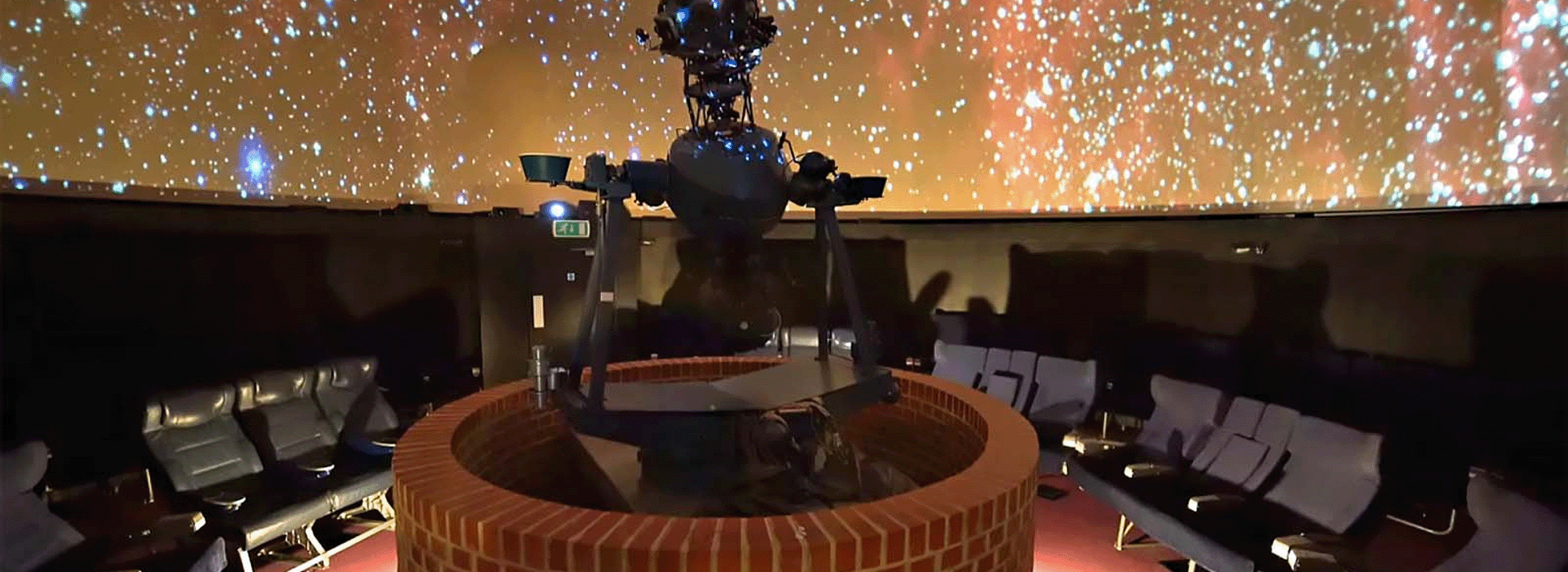
The South Downs Planetarium and Science Centre is an education facility in Chichester run by a team of volunteers and astronomy enthusiasts. This site, located just off the Chichester Bypass, boasts a 96-seater dome and hosts amazing experiences within it for families.
In 2021 we were contacted by the Science Centre to upgrade the effectiveness of their air filtration and ventilation systems within the dome, due to COVID-19 temporarily shutting down the business. Our client decided it would be a good idea to ensure the air quality within the dome is checked and enhanced while they had some spare time during the pandemic.
Conducting some preliminary tests, we soon discovered that the air within the dome was not circulating much at all, despite the dome's unique ventilation system which should have supplied air from the perforated metal sheets lining the ceiling. Investigating this lack of ventilation further, we discovered a closed fire damper which was blocking the airflow.
Solutions
With COVID-19 at the forefront of everyone's minds at this time, our client wanted an air purification system which would effectively kill bacteria and viruses to keep people safe.
We decided to implement bipolar ionisation technology within their air handling unit (AHU) to keep the air clean. Bipolar ionisation works by creating and releasing oxygen ions which 'attack' pollutants in the air. This is an effective method to increase air quality by reducing the levels of particulate matter, bacteria, virus cells, odorous gases and aerosols, and volatile organic compounds.
Results
Fixing the closed fire damper and upgrading the AHU with bipolar ionisation means that our client has the peace of mind that they are doing everything possible to keep air quality clean. Where children are commonly walking into this dome, it's important to keep indoor air quality high, particularly when COVID-19 was a more considerable health concern. This newly refurbished air ventilation and cleaning system ensures the COVID risk and the pollution from the nearby Chichester Bypass are mitigated as much as possible and so the air becomes safe for everyone.
Challenges
- Large groups of families use this space
- Poor outdoor air quality
- Existing methods ineffective at removing microbial matter
"This venue is incredibly fascinating to work at on account of its unique structure. Contrary to how some spaces circulate air, this space has floor grilles under the chairs which help to extract VOCs from the carpet and keeps pollutants, primarily CO2, to a minimum. The domed ceiling consists of perforated panels which let clean air through whilst also allowing for the night sky to be projected seamlessly onto the inside of the dome. It's a great demonstration of how we can introduce clean air into unconventional spaces via rather unique and novel methods, and it goes to show that if we can have clean air even within this tricky space, we can have clean air anywhere."
Adam Taylor, CEO of ARM Environments
Compliance
Wellbeing
Safety
Related Insights
Why Choose ARM?
ARM Environments stands out due to our exclusive focus on indoor air quality in non-residential buildings.
Our team holds esteemed certifications, including SafeContractor and BESA. Our CEO, Adam Taylor, chairs the IAQ Group at BESA, underscoring our leadership in the field.
By choosing ARM, you're partnering with specialists dedicated to creating healthier environments for your occupants.