Fire Damper Testing
- How It Works
- Featured Project
- Insights
About our Fire Damper Testing Service
Fire damper testing confirms that your building's passive fire protection is working correctly — protecting occupants, keeping you compliant, and giving you the documented evidence to prove it.
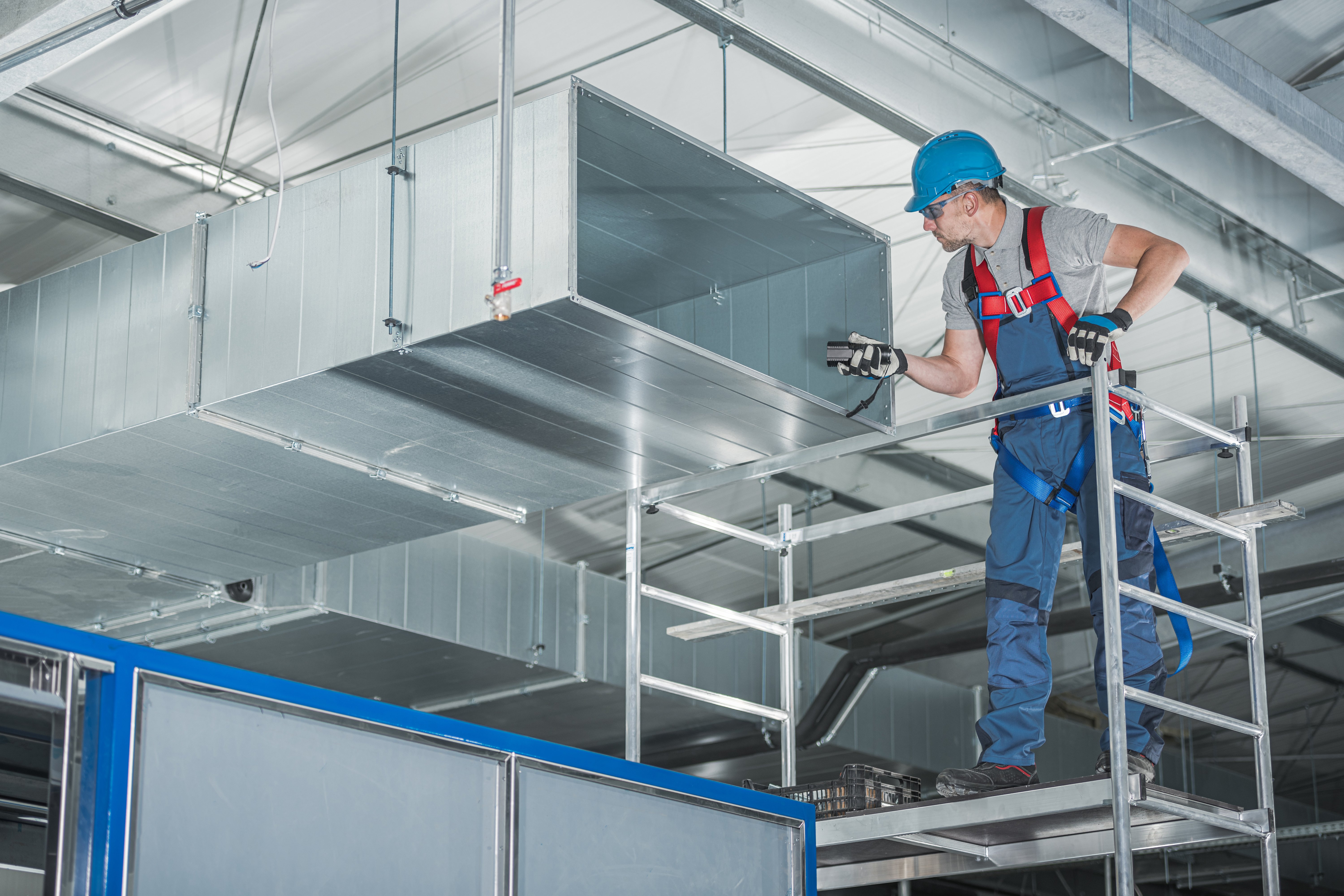
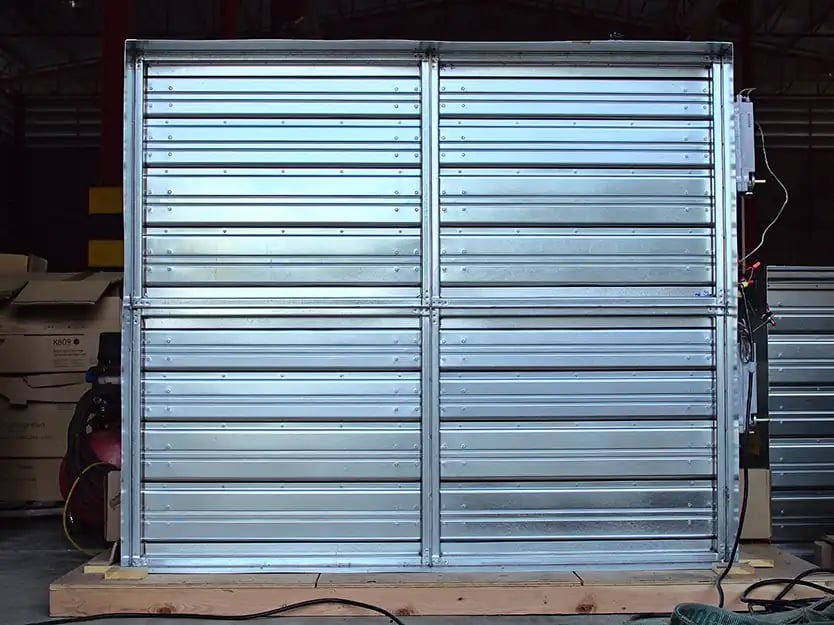
We inspect and functionally test every fire and smoke damper throughout your ventilation system, checking condition, accessibility, and operation against BS 9999, DW145, and other relevant UK guidance. Every inspection includes detailed photographic evidence and a clear compliance report, giving facilities managers, duty holders, and building owners practical recommendations for any remedial work — plus documented proof of fire damper compliance for insurers and fire safety officers.
Service Benefits
- Annual fire damper testing
- BS 9999 & DW145 compliant inspections
- Detailed photographic reports
- Fire damper compliance documentation
- Reduced fire and smoke spread risks
- Expert remediation recommendations
Air Quality Services for a Hampshire Leisure Club
Objectives
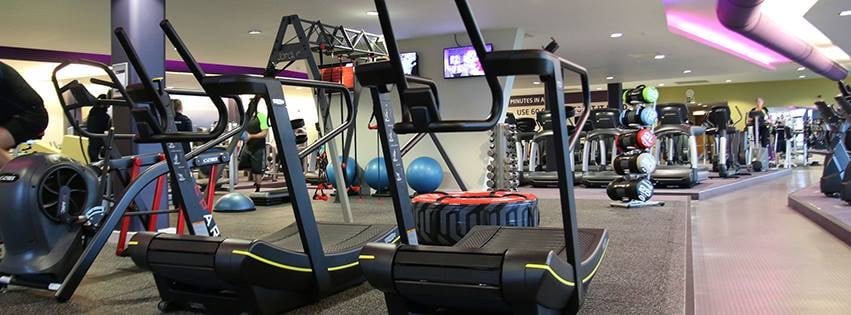
We were called to a Hampshire-based leisure club in 2023 for a range of different IAQ servicing tasks including air handling unit (AHU) maintenance. With up to hundreds of gym members in the building at any one time, clean, ventilated air is essential. In this environment in particular, with swathes of people breathing heavily after a tough workout, CO2 can rise into dangerous levels if the polluted indoor air is not properly mixed with clean outside air.
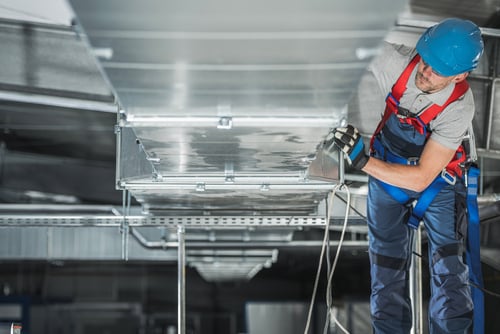
We were asked to perform the following tasks as part of the club's general maintenance: fire damper maintenance, fitting new duct access doors, perform a Ventilation Hygiene Risk Assessment (VHRA), perform AHU servicing and cleaning, perform plenum cleaning, and remove grease from the kitchen extractor.
Solutions
Our expert team got to work on these tasks over the course of the week. We completed each of these tasks to a professional standard and recorded the results with photographs to build a completion report.
All in all, our client was very pleased that we could help them remain compliant and keep their members safe, healthy, and happy. The last thing these gym members want is to breathe harmful, polluted air, so we're glad we could improve the air quality in this space.
Results
This maintenance work is essential for maintaining compliance with UK laws and legislations, and is particularly important in a space like this in which the ability to breathe clean, filtered air is incredibly important for health. Some of the tasks we completed, like commercial kitchen extractor fan and ductwork cleaning, are about more than just meeting compliance (like BESA TR19) -- it's about making sure the building remains safe for everyone. Especially where large groups of people are concerned, reducing fire risks are paramount.
Challenges
- Variety of different maintenance tasks
- Health-conscious client
- Large operation
"When you're dealing with a high-traffic facility like a leisure club, where hundreds of people are exerting themselves every day, poor air quality isn't just uncomfortable -- it's a health risk. Our team was brought in to carry out essential servicing, from AHU cleaning to fire damper maintenance, all aimed at keeping the environment compliant and, most importantly, safe. Spaces like this demand constant vigilance when it comes to ventilation; CO₂ levels can rise rapidly without proper airflow."
Adam Taylor, CEO of ARM Environments
Compliance
Wellbeing
Safety
Related Insights
Why Choose ARM?
ARM Environments combines specialist expertise in fire damper testing, fire damper inspections, ventilation hygiene, and HVAC compliance. Our experienced engineers understand how fire dampers interact with ventilation systems, allowing us to identify issues that general fire safety contractors may overlook.
Our BESA and SafeContractor accreditations demonstrate our commitment to quality, safety, and compliance. Every inspection includes detailed photographic evidence, damper identification, operational testing, and practical recommendations to help you prioritise remedial works and maintain ongoing compliance.