Five Signs Your Ventilation System Needs Airflow Testing
A well-functioning ventilation system is crucial for both comfort and energy efficiency, yet airflow problems often go unnoticed until they start affecting bills, air quality, or equipment performance. Regular airflow testing can identify hidden issues before they become costly, but how do you know when it’s time to call in a professional? Here are five key warning signs to watch for.
1. Uneven Heating or Cooling
If some rooms are consistently warmer or cooler than others, your system may not be distributing air properly. Uneven airflow forces your heating or cooling units to work harder to maintain comfort, increasing energy consumption and putting unnecessary strain on the equipment.
When you have areas that are significantly more cooled or heated than others, it usually indicates a building layout change has occurred without the ventilation system being updated. It happens when the HVAC is trying to maintain temperatures dictated by settings that no longer apply to the physical space it's trying to work in.
2. Poor Air Circulation or Stale Air
Stuffy or stagnant air is a clear sign of poor ventilation. Without adequate airflow, contaminants like dust, pollen, and VOCs can build up, leading to discomfort, headaches, or respiratory issues for occupants. Airflow testing helps ensure fresh air reaches every corner of your space.
If you have an air quality monitor — even a cheap one will do — you can measure the levels of pollutants in your space when the ventilation is turned on against when it's turned off. If nothing changes, it could be that your HVAC isn't working properly.
3. Rising Energy Bills
A sudden spike in energy costs can indicate your system is struggling to operate efficiently. Blocked ducts, closed dampers, or unbalanced airflow can make fans and HVAC units work harder, driving up electricity or gas usage. Regular testing helps identify inefficiencies that are quietly costing you money.
See our HVAC energy savings guide.
4. Excessive Dust or Condensation
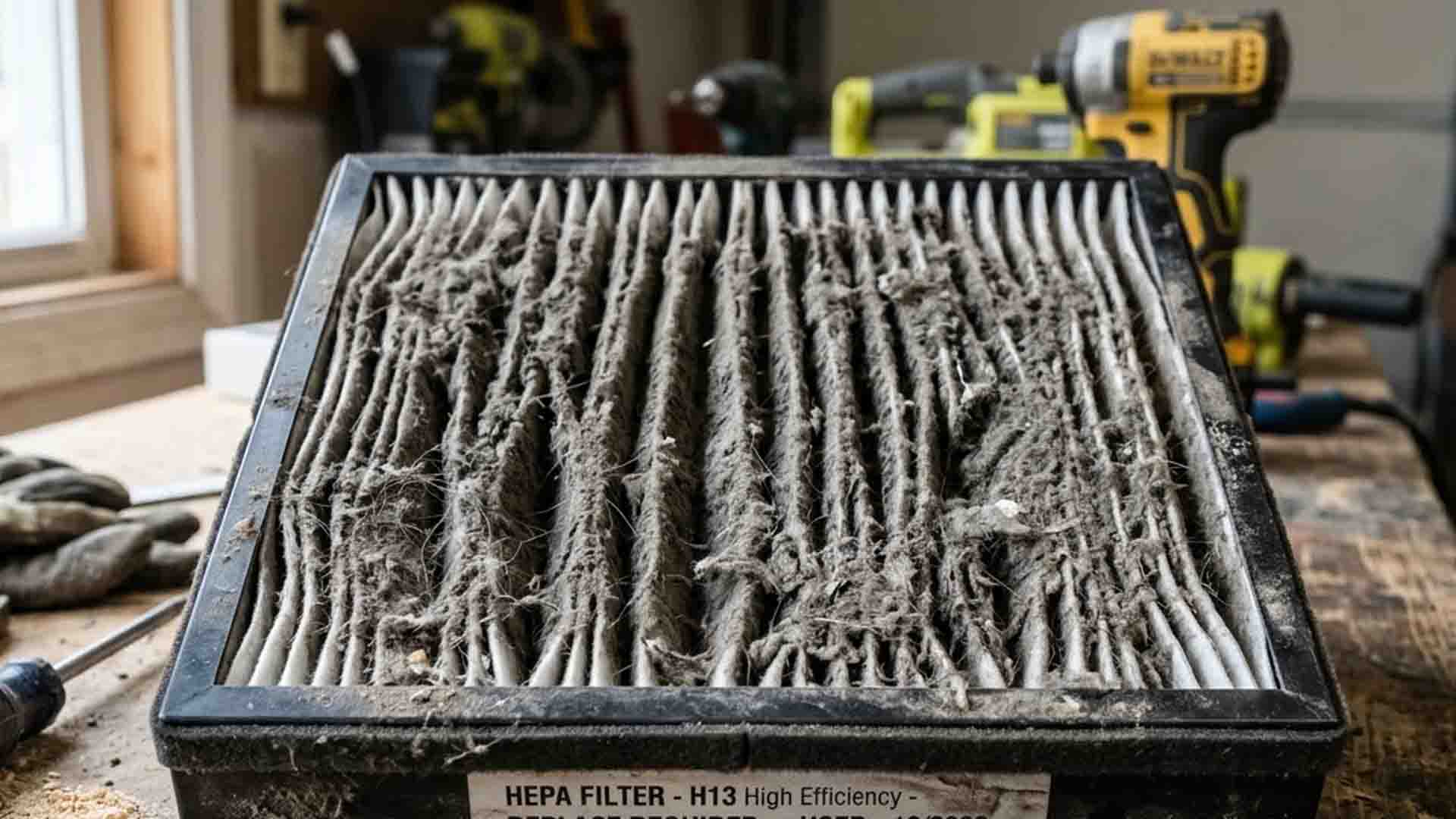
If you notice more dust settling on surfaces or unusual condensation around vents, it could be due to airflow problems. A lack of ventilation can lead to a build-up of dust and cause humidity issues, which may also lead to mould growth and further maintenance headaches.
Many building managers ignore ductwork cleaning until it reaches the point at which the ventilation no longer works properly. Clear out the dust regularly to keep your air clean and reduce strain on your fans and coils.
5. Strange Noises from Ducts or Vents
Rattling, whistling, or banging sounds often signal airflow restrictions or mechanical issues. Testing can pinpoint whether the problem is due to blockages, leaks, or fan issues, preventing damage to your system and improving overall performance.
Monitoring these warning signs and arranging airflow testing when needed ensures your ventilation system runs efficiently, keeps occupants comfortable, and avoids costly repairs or energy waste. Small issues caught early can save both money and stress in the long run.
Get in touch with the air quality experts
Don’t wait for rising energy bills or poor indoor air quality to force you into costly repairs. Schedule a professional airflow test today to identify hidden issues, optimise your ventilation system, and ensure every room stays comfortable year-round. A quick inspection can save energy, extend the life of your equipment, and give you peace of mind knowing your indoor environment is healthy and efficient. Contact us today.