AHU Condition Reports
- How It Works
- Insights
About AHU Condition Reports
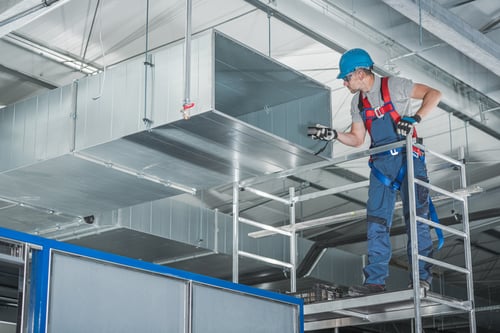
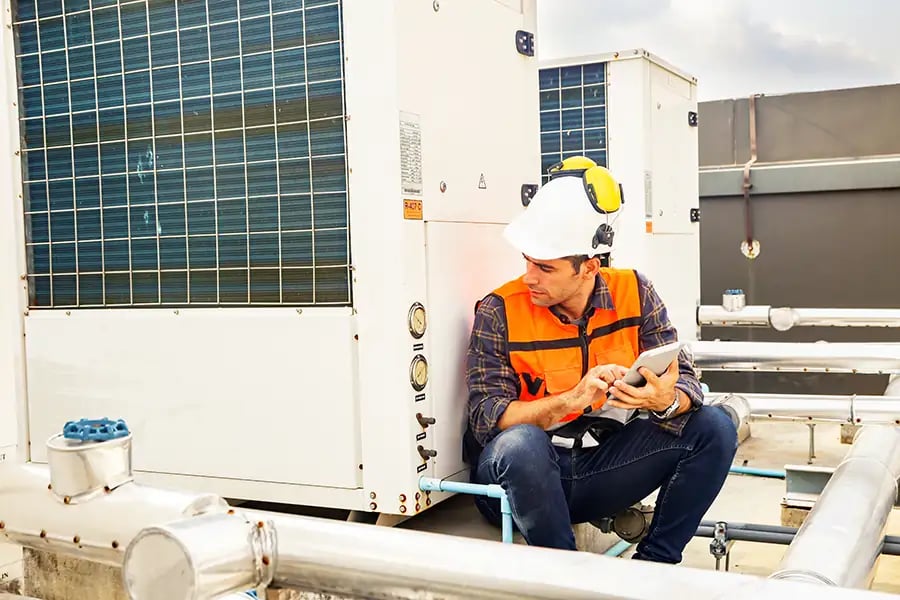
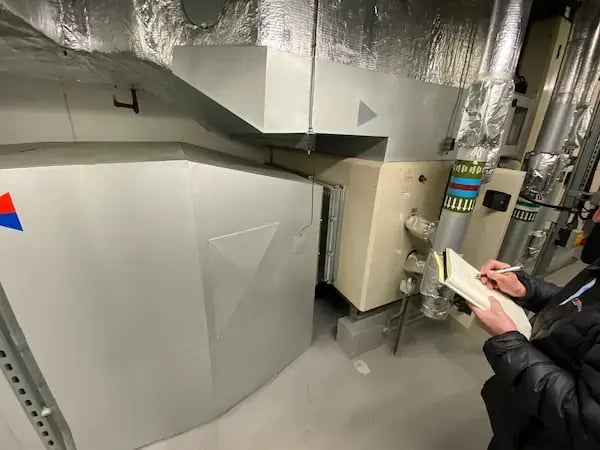
Our AHU Reports provide a detailed assessment of your air handling units' performance, efficiency, and compliance status, compiling information from ventilation reports, air balancing data, and wider HVAC testing. Our experts conduct thorough inspections of all air handling unit components including fans, filters, cooling coils, heating elements, and controls.
We analyse HVAC energy consumption, air quality impact, and AHU maintenance requirements, delivering actionable insights on whether to refurbish, replace, or optimise your existing systems. Additionally, our AHU Condition Report service includes an air balancing inspection report, letting you know the exact real-world performance of your AHU.
Each report includes clear recommendations with cost-benefit analyses to support your building management strategy. Service Benefits Data-driven maintenance planning Identify efficiency opportunities Regulatory compliance verification Optimised capital expenditure
Service Benefits
- Data-driven AHU maintenance planning
- Identify energy efficiency opportunities
- Regulatory compliance verification
- Optimised capital expenditure
Related Insights
Why Choose ARM?
ARM Environments specialises exclusively in air quality solutions, giving us unparalleled expertise in assessing AHU performance from an indoor air quality perspective. Our CEO Adam Taylor chairs the IAQ Group at BESA, ensuring we remain at the forefront of industry standards and best practices.
Unlike general building surveyors, we understand the complex relationship between AHU condition, energy performance, and air quality outcomes. Our comprehensive reports go beyond simply identifying problems – we provide practical, costed solutions that optimise both air quality and energy efficiency.
With SafeContractor and BESA certifications, you can trust our assessments to be thorough, accurate and aligned with current regulations and best practices.