Mould Survey in Salisbury for a School: Case Study
Why This Salisbury School Required a Mould Survey
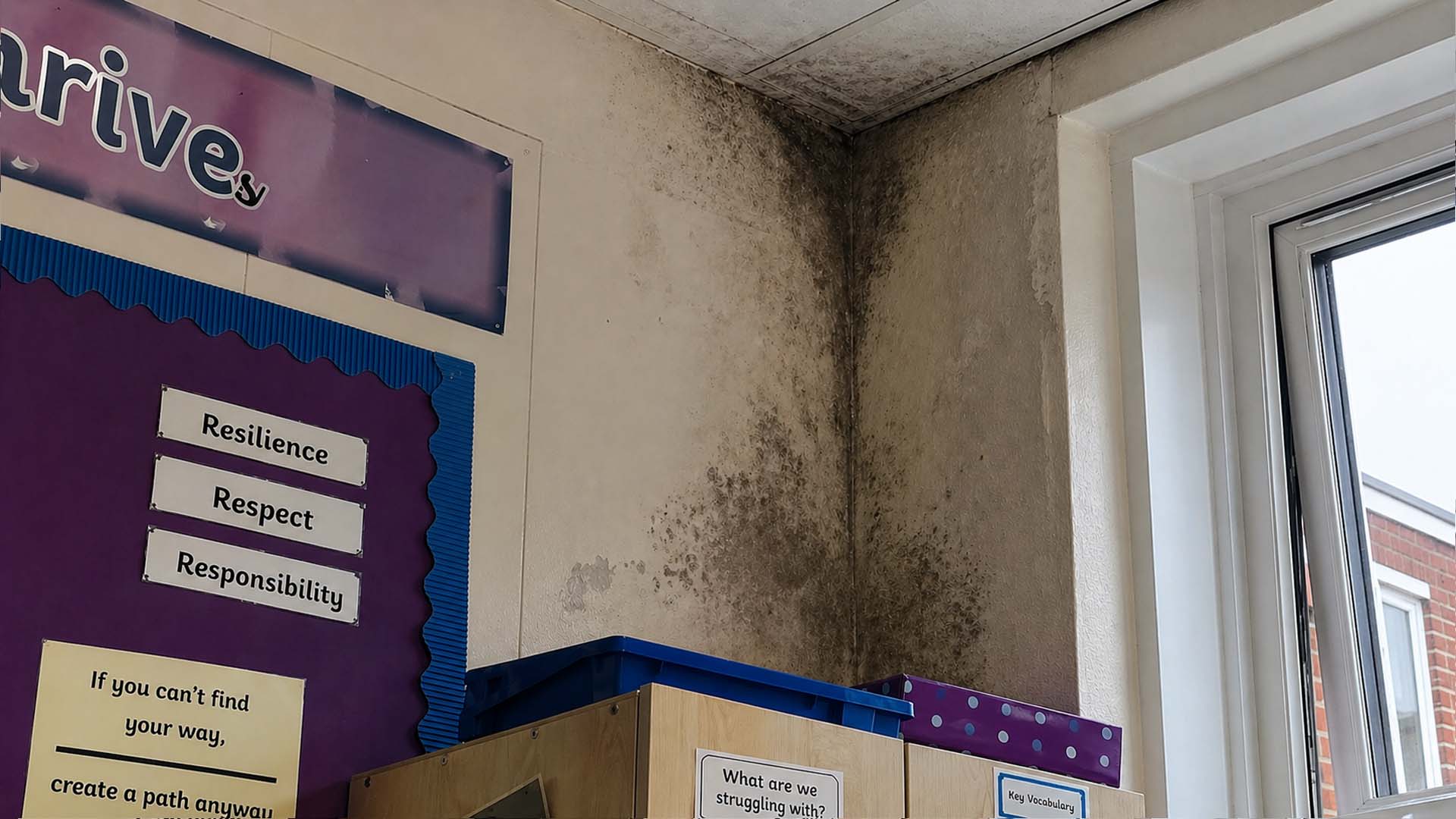
A primary school in Salisbury, Wiltshire, located in a chalk-rich geological area, began to develop cracking in its foundations — a structural issue that introduced damp conditions into parts of the building. Left unaddressed, persistent damp creates exactly the conditions in which mould thrives, and within a school environment, that carries serious health implications. Mould spores circulating in the air put vulnerable young pupils at risk of respiratory irritation and longer-term health problems.
In 2023, ARM Environments was appointed to investigate. Our objective was to conduct a thorough mould survey: assess the extent of microbial presence across the building, identify which types of mould were active, and recommend the interventions needed to protect the health of students and staff.
If your building is experiencing damp and mould, you can view our Mould Survey service page to learn more about how we can protect the health of your occupants. Or, you can get in touch with an expert directly.
Key challenges:
- Vulnerable occupants — young children with developing immune systems
- Structural damage driving elevated moisture levels throughout the building
- Unknown severity of mould growth before the survey began
How We Conducted the Mould Survey in Salisbury
Our mould survey approach combined two established sampling methods to build a complete picture of the microbial environment inside the school.
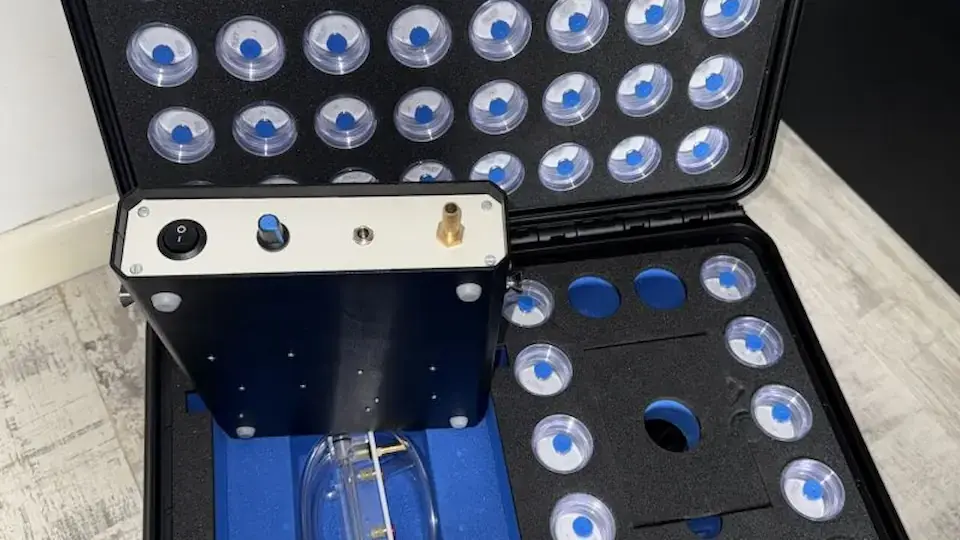
Active air sampling — a form of airborne mould testing — drew 500 litres of air through the unit, collecting airborne microbes onto nutrient plates for laboratory analysis. This gave us a direct measure of what was circulating in the air that pupils and staff were breathing every day.
Surface swab sampling involved taking samples from key surfaces around the building, which were then tested in an accredited laboratory to identify what types of microbial activity were present and where.
Two rounds of swabs were taken across December and January to capture any seasonal variation and track whether conditions were improving or worsening over time.
What Our Salisbury Mould Survey Found
The results confirmed that the school had a significant mould problem.
Air sampling identified a mix of naturally occurring bacteria — including Bacillus mycoides and common skin bacteria such as Staphylococcus — both of which are typical in busy, populated environments and not in themselves alarming. However, the tests also detected potentially harmful fungal spores, including types of Filamentous fungi, particularly concentrated around the damp internal areas of the building. When inhaled in sufficient quantities, these spores can be hazardous to health.
The surface swab results were more concerning. Across both December and January, many of the samples returned growths too numerous to count (TNTC) — indicating widespread and active microbial colonisation throughout the affected areas of the school, with January results showing the problem had intensified.

Our Recommendations Following the Mould Survey
Following our mould survey findings, we provided the school with a clear remediation roadmap:
-
Thorough mould cleaning — all visible mould growth needed to be removed professionally before any other intervention could be effective.
-
Damp area treatment — we highlighted that leaving moisture-affected areas without drying and treating them would continue to fuel mould regrowth, regardless of surface cleaning.
-
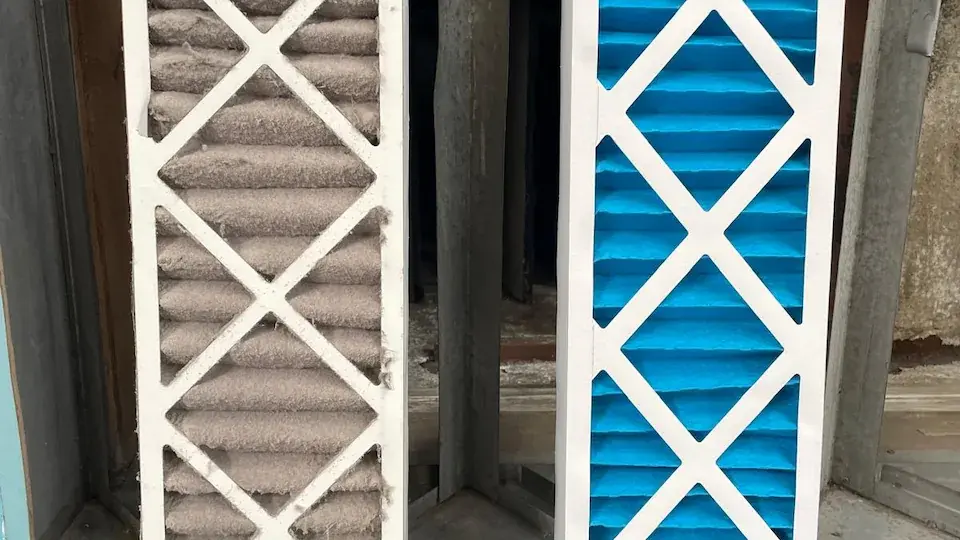
Air purification installation — to address the airborne spore load identified in the active air sampling, we installed air purification units across the affected areas of the school to continuously filter harmful fungal spores and bacteria from the air.
Results: Improved Air Quality Across the Salisbury School
Following the installation of air purification systems, air quality inside the school improved significantly. Harmful fungal spore levels and bacterial counts in the air were substantially reduced — creating a measurably safer environment for everyone inside the building.
For a school in Salisbury with young children occupying the building every day, this outcome matters well beyond compliance. Cleaner air supports better concentration, fewer sick days, and the kind of environment where pupils can learn without their health being quietly compromised. It also brought the school into line with its COSHH obligations — an important consideration for any institution responsible for the welfare of children and employees.
Clean air in a school isn't a privilege. It's a necessity.
"From the moment we walked into the school, we knew that mould would be a massive issue — and that's worrying. In an environment where clean air is vital, the last thing students should be worrying about is whether being at school is affecting their health."
Adam Taylor, CEO
We Help to Eliminate Mould Concerns in Wiltshire
Concerned about mould in your school, office, or commercial property? ARM Environments provides professional mould surveys across Salisbury and the wider South of England. To learn more about what sets ARM Environments apart — and why our clients trust us our scientific air quality testing services — read more about us.
Contact us today to discuss your requirements with an air quality expert.
Read more about indoor air quality testing in Salisbury.
See next: MVHR Air Filter Changes in Central London: Case Study