UL2998 Certification in Bipolar Ionisation Systems
Bipolar ionisation (BPI) has a strong track record as an air cleaning technology — but not all systems are created equal. One certification separates the products that are safe to install in occupied buildings from those that aren't: UL2998.
If you're evaluating bipolar ionisation for your facility, here's what you need to know before you buy.
Get in touch with us to discuss bipolar ionisation in your facility.
What Is UL2998?
UL2998 is a certification standard developed by Underwriters Laboratories, one of the world's most respected independent safety testing organisations. Its full name is the UL Environment Standard for Zero Ozone Emissions from Air Cleaning Devices, and its purpose is exactly what it sounds like: to verify that an air cleaning device produces no measurable ozone output under real-world operating conditions.
It is currently the only independently verified, third-party standard that specifically tests air cleaning devices for ozone emissions.
Learn more about how BPI works.
Does Bipolar Ionisation Produce Ozone?
Many older bipolar ionisation systems — specifically those using a process called dielectric barrier discharge (DBD) — produce ozone as a by-product. During the COVID-19 pandemic, a wave of manufacturers rushed into the air cleaning market to sell ozone generators as "activated oxygen" or "pure air" purifiers. The EPA described these terms as misleading, highlighting the health risks associated with ozone inhalation and marking the distinction between oxygen and ozone.
Ozone is a respiratory irritant. At elevated concentrations, it causes chest tightness, coughing, and can trigger or worsen asthma. For occupants of a building already dealing with air quality problems, adding ozone to the mix makes things worse, not better.
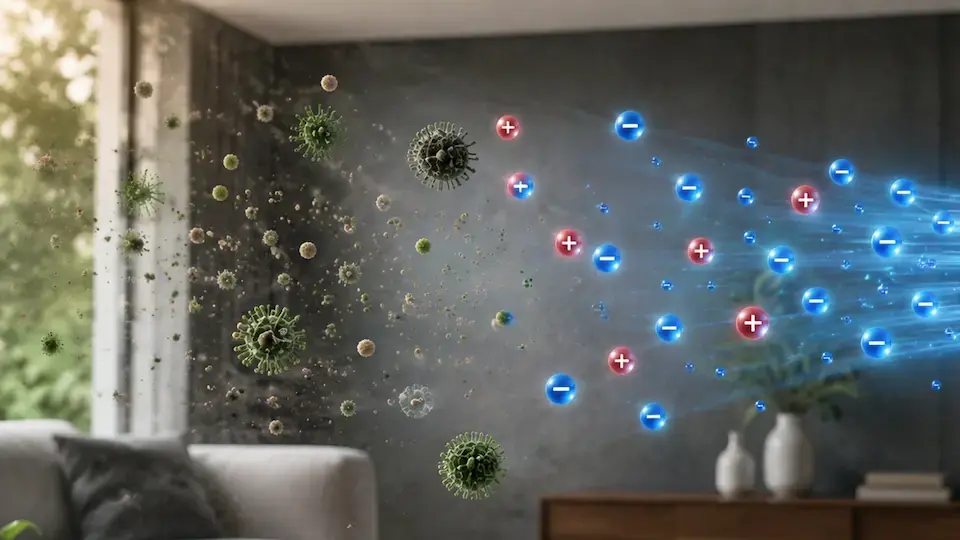
Modern bipolar ionisation systems use needlepoint bipolar ionisation (NPBI), a method that generates ions without the ozone by-product. Although the concerns around ozone production still linger, BPI is much safer today. But without independent certification, there is no reliable way to verify a manufacturer's claims... that's where UL2998 comes in.
Weigh up the pros and cons with this bipolar ionisation article.
What UL2998 Actually Tests
UL2998 certification requires a device to be tested by an independent laboratory under controlled conditions. The test measures ozone concentration in the output air and verifies that it does not exceed 0.005 parts per million (ppm) — well below the 0.050 ppm limit set by the US FDA for medical devices, and the 0.1 ppm workplace exposure limit in EH40.
Critically, the certification is product-specific. A manufacturer cannot obtain UL2998 for one device and apply it across their range. Each model must be tested and certified individually.
Why UL 2998 Matters in Practice
When ARM Environments specifies bipolar ionisation systems, UL2998 certification is a non-negotiable requirement; it is the only way to objectively confirm that a device will not introduce a new pollutant into the spaces we are being asked to clean.
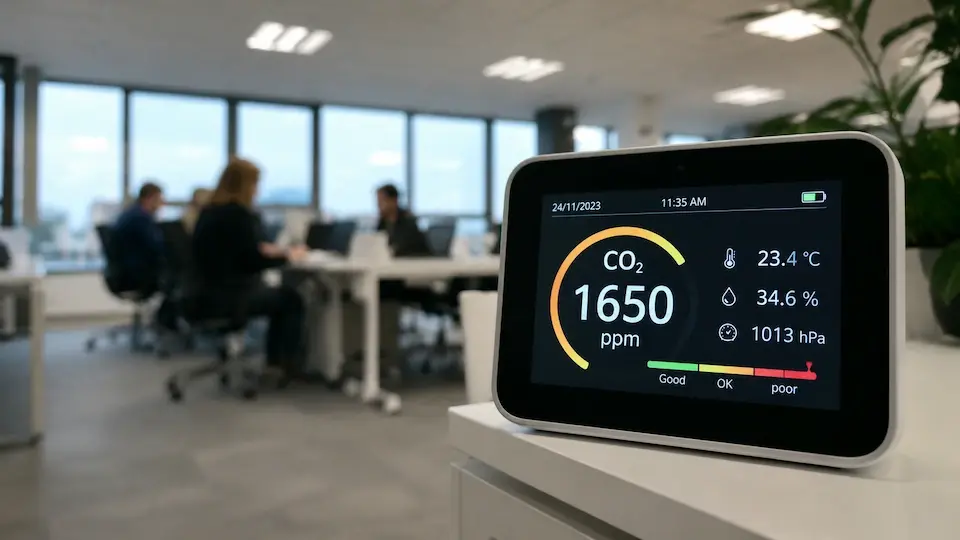
This matters particularly in environments where occupant health is already a primary concern — healthcare facilities, schools, food production sites, and commercial offices where indoor air quality monitoring is already in place and baseline readings are being tracked.
All of the bipolar ionisation systems we install come with UL2998 certification as standard. The leading BPI brand we choose to work with, PlasmaAir, carries this certification across its range.
The Broader Lesson for BPI Buyers
The bipolar ionisation market expanded rapidly during and after the pandemic, and not all of the products that entered the market meet the standard buyers should expect. When evaluating any system, ask the supplier directly: does this device hold UL2998 certification, and can you provide the test report?
If the answer is no, or if the supplier is unable to distinguish between needlepoint bipolar ionisation and DBD technology, that is a meaningful signal about the quality of advice you are receiving.
For a broader overview of how bipolar ionisation compares to other air cleaning technologies, see our guides to bipolar ionisation pros and cons and UVGI vs bipolar ionisation.
If you're ready to discuss whether bipolar ionisation is the right solution for your building, get in touch with the ARM Environments team. We specify, install, and maintain bipolar ionisation air cleaning systems nationwide.
Read next: Bipolar Ionisation Installation in Northamptonshire: Case Study.

![Your Guide to Indoor Air Quality Testing [2026]](https://www.arm-environments.com/hubfs/iaq%20testing%20in%20an%20office%20(1).webp)