Indoor Air Quality Monitoring in Retail Stores Across England: Case Study
Why Three Co-op Stores Needed IAQ Monitoring
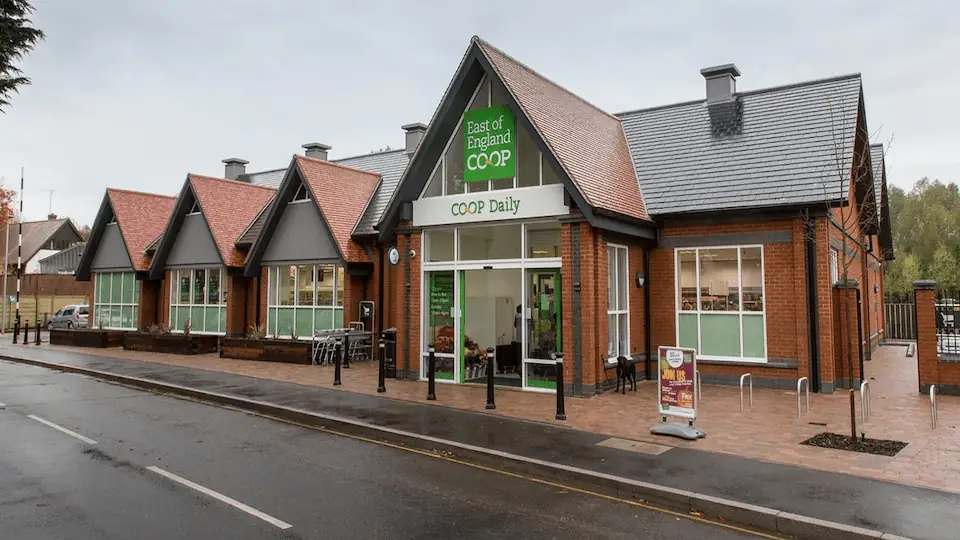
In 2022, ARM Environments was commissioned to conduct an Indoor Air Quality assessment across three retail stores in England: a small store on Wadgate Road, a medium-sized store in Sible Hedingham, Essex, and a large supermarket in Felixstowe, Suffolk. The brief covered three overlapping objectives: evaluate whether each store was providing healthy conditions for staff and customers, identify any opportunities to reduce energy consumption through the HVAC systems, and troubleshoot any specific IAQ issues that emerged.
Retail environments present a particular set of IAQ challenges. High footfall drives CO₂ levels up. Deliveries introduce vehicle emissions. Refrigeration and air conditioning systems interact in ways that aren't always immediately obvious. And because staff spend entire working days in these spaces, the air quality matters to their health in a way it doesn't for a customer passing through for twenty minutes.
View our Indoor Air Quality Monitoring service page.
Key challenges:
- Monitoring across multiple retail sites simultaneously
- Identifying the source of pollution spikes affecting staff and customers
- Diagnosing uncomfortable indoor temperatures affecting shopper experience
How We Conducted the IAQ Monitoring Programme
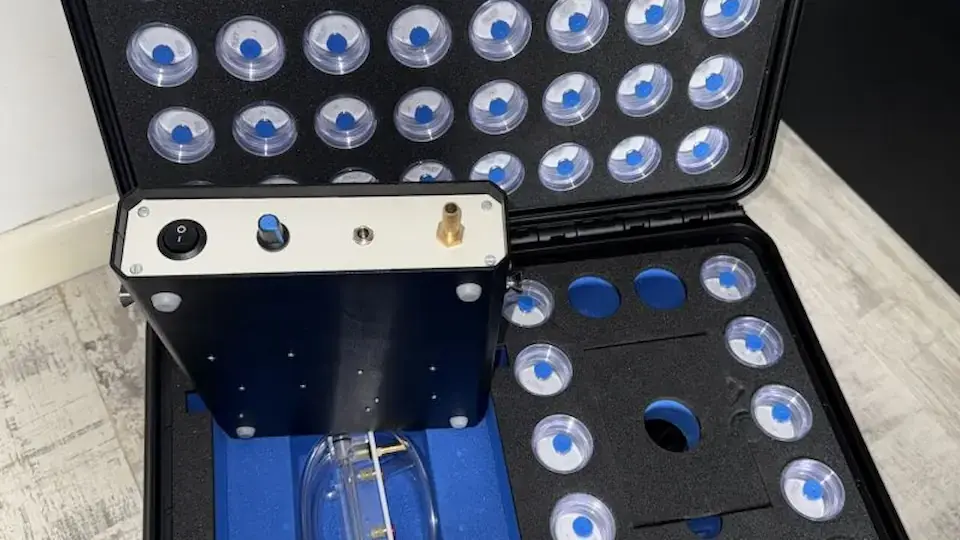
To gather meaningful data across all three sites, we deployed AWAIR air quality sensors in each store, verifying calibration at installation and leaving them to run continuously for six weeks across August and October 2022. The extended monitoring period was deliberate: short-term spot checks can miss patterns that only emerge over time, particularly those tied to specific operational routines like delivery schedules or opening hours. Six weeks gave us enough data to identify recurring trends with confidence.
The sensors measured temperature, humidity, CO₂, Total Volatile Organic Compounds (TVOCs), and fine particulate matter (PM2.5), with results logged remotely throughout the period for our team to analyse.

What the Monitoring Found Across the Three Stores
Over-ventilation and energy waste
Across all three stores, CO₂ levels dropped to around 500 ppm outside of peak trading hours. As a reference point, outdoor air sits at roughly 400 ppm, and levels below 600 ppm are broadly considered very good. While that sounds healthy, it tells a different story from an energy perspective: CO₂ at 500 ppm in an unoccupied or lightly occupied store indicates the ventilation system is running harder than the space actually requires. All three stores appeared to be over-ventilating during off-peak periods, consuming energy to condition and circulate more air than necessary.
Delivery vehicle pollution spikes
More concerning were the sharp spikes in TVOCs and PM2.5 that appeared at consistent, predictable times of day across the Sible Hedingham store. Cross-referencing with operational routines made the source immediately clear: the delivery truck. Each arrival coincided directly with a deterioration in indoor air quality, as vehicle exhaust emissions infiltrated the store through the loading area and circulated into the retail space. For staff working full shifts in the store, these repeated daily spikes represented a recurring and avoidable exposure.
Temperature sensor misplacement causing chronic over-cooling
At the Felixstowe supermarket, our monitoring flagged consistently lower-than-expected temperatures throughout the store dropping as low as 15°C in some areas, creating a noticeably uncomfortable environment for shoppers. The root cause turned out to be a positioning problem rather than a system fault. The air temperature sensors were mounted on the ceiling three to four metres above the floor, directly above the store's chillers and freezers. Those units generate heat as a by-product of keeping their contents cold, and that warm air rises directly towards the sensors. The sensors were therefore continuously reading elevated temperatures, prompting the air conditioning system to keep cooling a space that was already too cold at floor level. The system wasn't malfunctioning — it was responding rationally to incorrect data.
Our Recommendations and Outcomes
Addressing the delivery vehicle pollution
For the Sible Hedingham store, we worked through the practical options with the management team. The agreed approach was to schedule deliveries earlier where possible, giving the store sufficient time to flush out the accumulated particulate matter and VOCs before trading begins. Additionally, drivers would be asked to switch off the vehicle's refrigeration unit just before entering the loading dock, directly reducing the emissions generated at the point where they were most likely to infiltrate the building.
Correcting the temperature control in Felixstowe
We advised the Felixstowe team to adjust the set point of their AC systems to account for the sensor misplacement and reduce the chronic over-cooling. Looking ahead to winter, when the same overactive cooling behaviour would create an even more uncomfortable environment for customers, we also recommended the installation of stratification fans in the ceiling — a simple and cost-effective solution that circulates the warm air that accumulates at ceiling level back down into the occupied zone where it's actually needed.
Energy savings from ventilation adjustment
Across all three stores, the over-ventilation data provided a clear basis for reducing ventilation rates during off-peak periods. Running ventilation systems harder than occupancy levels require is a straightforward source of unnecessary energy spend — and with CO₂ data confirming the stores were already well within healthy limits, there was no air quality trade-off involved in making the adjustment.
Results: Healthier Stores, Lower Energy Costs
The six-week air quality monitoring programme delivered insights that a one-day spot check would almost certainly have missed. The delivery vehicle pollution pattern, the sensor misplacement in Felixstowe, and the over-ventilation across all three sites all required time-series data to identify clearly — and all three carry either health, comfort, or cost implications that make them worth addressing.
For the retail stores, the outcome is a more comfortable shopping environment, a better working environment for staff, and a set of actionable changes that should reduce energy consumption meaningfully over time, without compromising the air quality that the monitoring confirmed was already performing well in most respects.
"While our client initially approached us just to get IAQ insights, the discussion soon drifted into how the stores might be using excessive energy. Understanding how their air quality systems work would be the first step in helping them to reduce their energy consumption, save money, and create a better environment for their shoppers. We encountered a few little problems in these sites, but thanks to long-term monitoring, they should now have a more comfortable space with the added benefit of actually saving some money."
Adam Taylor, CEO
Air Quality Monitoring in the Retail Sector
Managing a retail estate or multi-site operation and want to understand how your buildings are really performing? ARM Environments provides indoor air quality monitoring and IAQ assessments across single sites and multi-site portfolios throughout England. Contact us to discuss your requirements.
See next: MVHR Air Filter Changes in Central London: Case Study.