TM44 vs EPC: Building Compliance Made Simple
Did you know a building can have a "B" rated Energy Performance Certificate (EPC) and still be haemorrhaging thousands of pounds a year through an inefficient air conditioning system? Many facility managers assume that because they have a valid EPC, their energy compliance is "done." In reality, skipping a TM44 inspection because you have an EPC is leaving potential energy savings on the table and possibly leaving yourself open to hundreds of pounds in fines.
This post breaks down the specific differences between these two certificates, why they overlap (but don’t replace each other), and how to tell which one you should be focusing on right now.
See our 2026 TM44 Guide for further details on the service.
What’s the Difference Between TM44 and EPC?
An EPC measures the theoretical energy efficiency of a building’s fabric and fixed services, usually required for sales or rentals. A TM44 is a mandatory technical inspection specifically for air conditioning systems with an output over 12kW. Many building owners require both, but they serve entirely different regulatory purposes.
EPC : The "Label" for Your Building
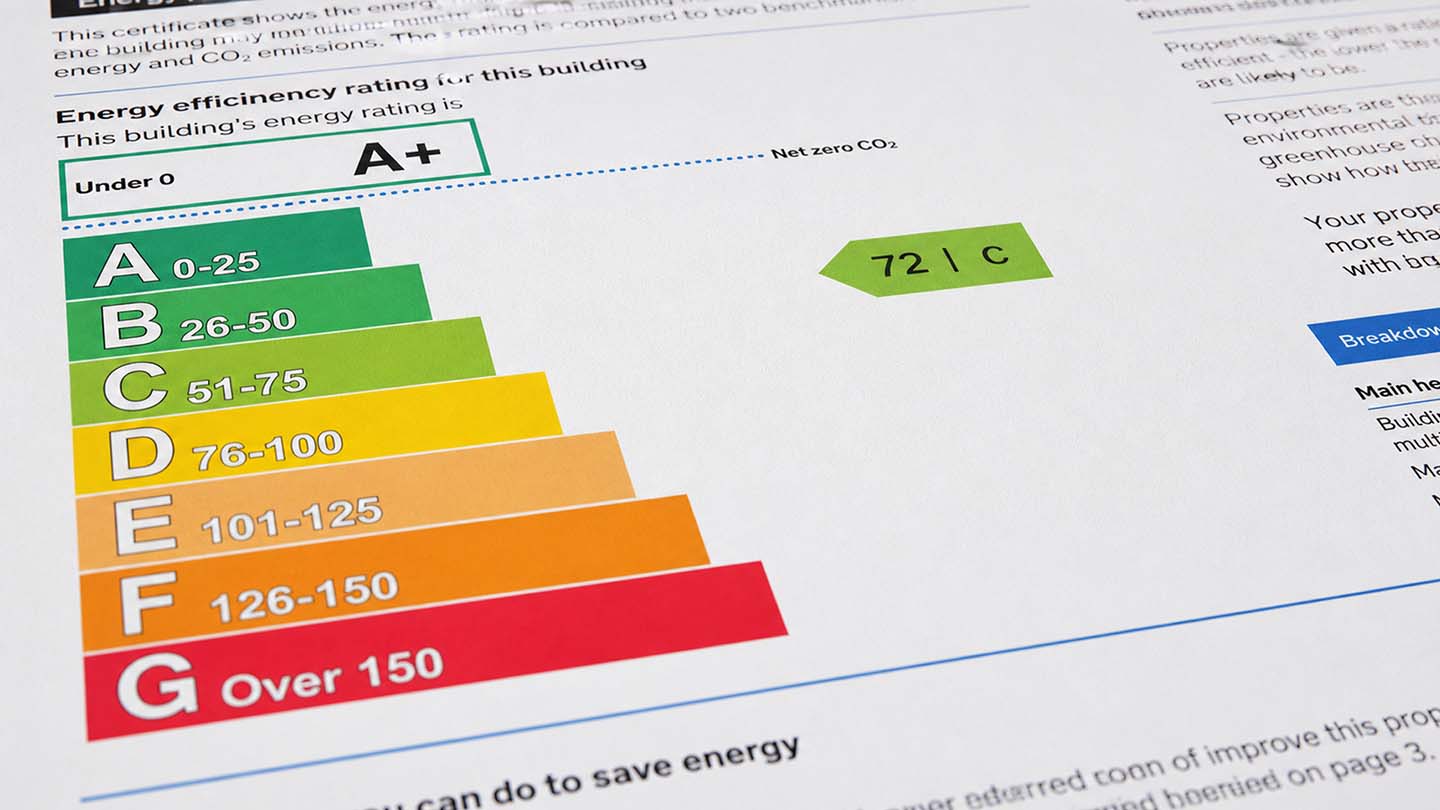
Think of an EPC like the sticker on a new fridge. It tells a prospective buyer or tenant how much it should cost to run the building under normal conditions. It looks at insulation, glazing, and heating systems to give the property a rating from A to G.
If you are looking to lease out a new office space, you legally cannot market the property without an EPC. It’s a transaction-based requirement that stays valid for 10 years unless you make major renovations.
EPCs are about the building as an asset. If you aren't selling, letting, or finishing a new build, your current EPC is likely just sitting in a drawer.
TM44: The "Health Check" for Your AC & HVAC
A TM44 inspection is much more granular. It doesn't care about your wall insulation; it cares about your HVAC system. If your combined air conditioning cooling capacity exceeds 12kW, you are legally required to have a TM44 report every five years.
For example, let’s say you might have five small 2.5kW units in a single office. Individually they are small, but because their combined capacity is 12.5kW, you are legally non-compliant if you don't have a TM44. Click here to read more about TM44 compliance.
TM44 is about operational efficiency. While an EPC is valid for 10 years, a TM44 must be renewed every 5 years. It is a legal requirement under the Energy Performance of Buildings Regulations.
TM44 vs EPC - Key Takeaways:
- Scope: EPC covers the whole building; TM44 covers only the air conditioning system
- Threshold: EPC is required for any sale/let; TM44 is required for any air conditioning system >12kW
- Validity: EPC lasts 10 years; TM44 lasts 5 years
- Focus: EPC is a theoretical building efficiency rating; TM44 is a practical air conditioning efficiency inspection
The most important thing to remember is that one does not satisfy the other. You can have a perfect EPC and still be fined £300 per building for a missing TM44. Conversely, a TM44 report does not help you if you are trying to sell a property that lacks an EPC. To stay compliant, keep a calendar alert for your 5-year TM44 cycle, as this is the one most businesses accidentally let lapse.
If your TM44 renewal date is coming up and you don’t want to forget, let one of our experts know by getting in touch and we’ll remind you closer to the date.
We Help Businesses Obtain TM44 Certificates
At ARM Environments, we specialise in air quality and HVAC efficiency. We aren't generalist EPC assessors who walk through a building in 20 minutes. We focus on the technical side of environmental quality and air hygiene to deliver energy savings and higher quality air for your building’s occupants.
Ready to get your cooling systems in order? Contact the experts at ARM Environments today to book your TM44 inspection and ensure your building is both compliant and cost-effective.
Learn more about our TM44 service here. If you’re still confused or just interested in learning more about the fine details around TM44, view our dedicated TM44 guide.
Frequently Asked Questions
Is a TM44 inspection mandatory if I already have a valid EPC?
They are separate legal requirements and are mutually exclusive. Even if your EPC mentions your AC or HVAC system, you still need a dedicated TM44 inspection if your system is over 12kW.
TM44 surveys should be held every 5 years for air conditioning efficiency, whilst EPCs are valid for 10 years and concern the building efficiency.
What is the fine for not having a TM44?
The standard fine is currently £300, and it can be issued repeatedly if you remain non-compliant after being caught.
Learn more on our TM44 Explanation Guide.
Can any energy assessor do a TM44?
No, they must be a specifically accredited Air Conditioning Inspector. General EPC assessors may not have the technical credentials to sign off on a TM44.
It’s important to check that your assessor is qualified, otherwise a TM44 will be deemed invalid. Click here to learn the differences and save yourself a headache later.
What do I need to do for a TM44 inspection?
Simply get in contact with a qualified professional to arrange a TM44 survey. They will handle the inspection and reporting of your air conditioning system(s). ARM Environments have CIBSE qualified engineers who can handle TM44 inspections for buildings of all sectors. Get in touch with the team today if you’re looking to book a TM44 inspection.