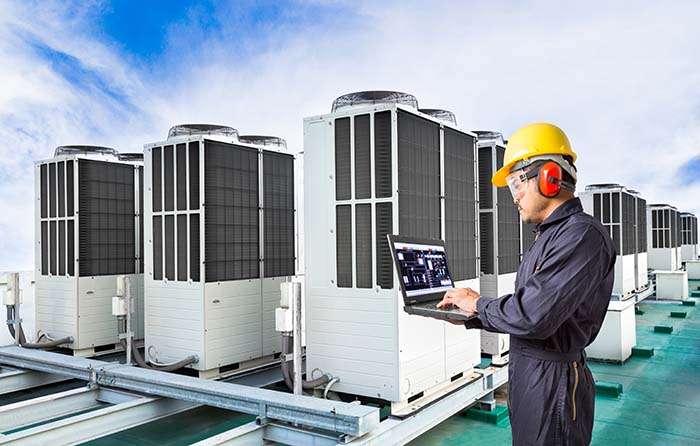
This article shows how healthy building standards define good indoor air quality and what solutions you can deploy (that they recommend) to meet them.
UK houses are not designed with heatwaves in mind, so they often overheat.
These tips will help you stay cool on those increasingly frequent hot summer nights.
This article discussing options for reducing harmful particulates in buildings was published in Modern Building Services' July 2022 Issue
Keep updated on the progress of the British Standard Institute's BS 40102, and get an introduction to indoor environmental quality (IEQ), a key part of the standard.
When installing bipolar ionisation, you need to assess your pollutants level, choose the right device and the right location depending on the space you want cleaned, and then monitor its effectiveness. Here are some ways to do it right.
This guide will show you how to optimise your workplace’s indoor air quality and comply with UK government guidelines. Plus, how to go beyond compliance to maintain occupant health and wellbeing, improve their productivity, and attract and retain tenants.
Air ionisation is a natural process that has been studied for well over 100 years. For even longer, medical professionals have understood that sea and mountain air is good for our health and wellbeing. This article will explain the ionisation process, and help you understand why bipolar ionisation is an effective air cleaning solution.
Bipolar ionisation is an often misunderstood concept. It has many advantages, but it isn’t always the right tool for the job. This article runs through the pros and cons so you can be better informed when choosing between air cleaning solutions.
In this article we list out the most relevant changes to Building Regulations 2010 Part F: Ventilation, detailed in the 2021 Approved Document F Volume 2 - Buildings other than dwellings. Approved Document F will come into effect on 15 June 2022.


+44 (0)1722 710312
22 High St, Alderbury, Salisbury SP5 3DU
ARM Environments Group Ltd, Company No. 11648338




/arm_588410681.jpg)