Hydrogen Sulphide (H₂S)
- Sources
- Impacts
- Testing
Sources of Hydrogen Sulphide (H₂S)
Hydrogen sulfide (H2S) is a colourless flammable gas which has a distinct rotten-egg smell and is denser than air. This odour is detectable at very low concentrations, (0.3 PPM) and so can act as an effective warning to elevated exposure. Being a component of the sulphur cycle, 90% of H2S emissions are natural in origin. It is produced by bacteria and fungi during decomposition processes, so raised levels are found in instances of high biological decomposition such as pig farms or coastal areas.
H2S can also be produced as a by-product of coke production, the refining of crude oils, and the production of wood pulp.
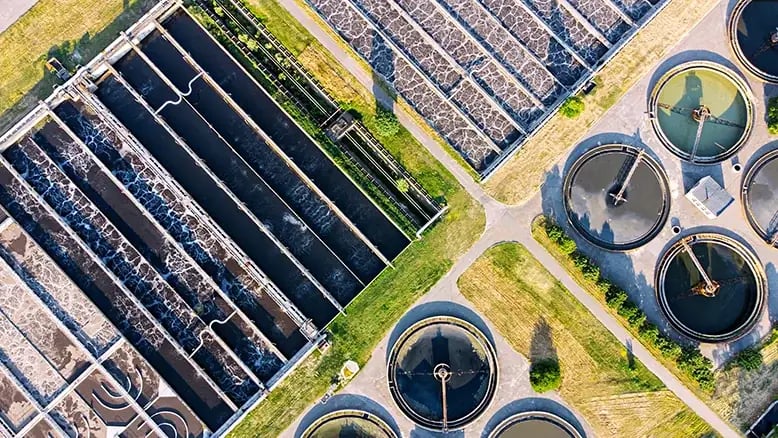
Sewage treatment plants also emit H2S from the anaerobic decomposition process. Occupational exposure is the most common form of high-level exposure.
Typical Sources of H₂S
- Natural Sulphur Cycle (90% of emissions)
- Coke Production
- Refining of Crude Oils
- Production of Wood Pulp
Impacts of Hydrogen Sulphide (H₂S)
H2S is a colourless flammable gas which has a distinct rotten-egg smell and is denser than air. This odour is detectable at very low concentrations, (0.3 PPM) and so can act as an effective warning to elevated exposure. Being a component of the sulphur cycle, 90% of H2S emissions are natural in origin. It is produced by bacteria and fungi during decomposition processes, so raised levels are found in instances of high biological decomposition such as pig farms or coastal areas. H2S can also be produced as a by-product of coke production, the refining of crude oils, and the production of wood pulp. Sewage treatment plants also emit H2S from the anaerobic decomposition process. Occupational exposure is the most common form of high-level exposure.
Common Impacts of H₂S
- Eye Irritation
- Respiratory Irritation
- Poor Neurological Health
- Respiratory Paralysis, Coma, Death
Testing for Hydrogen Sulphide (H₂S)
Testing can be conducted through passive sampling. A black acrylic tube fitted with absorbent attracts hydrogen sulphide, where it is transformed into chemically stable compounds which are then measured. Exposure should last 2-4 weeks. H2S air monitors can be purchased which give point in time readings.- Passive Diffusive Sampling
- H2S Air Monitor
EH40/2005 sets 8-hour average exposure limit at 7 mg/m3 for Hydrogen Sulphide. There is a lack of ambient air limits for H2S due to its rarity. Workplace exposure limits serve as a benchmark but ambient air should be far below this. Studies indicate urban ambient air rests at 8 - 20 μg m−3 per annum dependant on season (Kourtidis, 2008).
- EH40/2005 Limit is 7 mg/m3 8 Hour Average
- Urban ambient likely rests between 8-20 μg m−3 per annum
Concerned About Hydrogen Sulphide?
Contact us today for expert advice and a professional survey.
Nitrous Oxide FAQs
How Do I Remove H2S From My Indoor Air? ↓
H2S will very likely infiltrate from outdoor sources such as industrial, chemical, wastewater and landfill processes. Therefore, having adequate ventilation, and filtration measures with activated carbon filters would ensure exposure is kept to a minimum in indoor spaces.
Bipolar ionisation is an air cleaning technology that effectively breaks down compounds including Hydrogen Sulphide, resulting in cleaner indoor air once implemented.
What UK Legislation Refers to H2S Limits? ↓
EH40/2005 is the primary legislation to consider around Hydrogen Sulphide concentrations. This document sets out the Workplace Exposure Limits (WELs) and is UK law under the Health and Safety at Work Act 1974 (See more about the HSWA)
Can I Perceive H2S? ↓
Yes it has a distinctive rotten egg smell. Prolonged exposure can cause olfactory fatigue, making it undetectable even at dangerous concentrations
In What Industrial Environments May People Be Exposed to H2S? ↓
Is H2S Toxic? ↓
Yes, it is toxic in higher dosages. Low levels of hydrogen sulphide may be tolerated indefinitely as it is metabolised by the body into sulphate. At higher levels it has a similar mechanism to Carbon Monoxide (CO) causing hypoxia in various tissues around the body.
Why Choose ARM?
Hydrogen sulphide can be highly toxic even at low levels. ARM offers targeted monitoring for high-risk sectors like wastewater and agriculture.
We’re SafeContractor certified and a BESA member. With Adam Taylor – Chair of the BESA Indoor Air Quality Group – leading our team, you can trust our advice to be both practical and aligned with nationally recognised occupational health standards.