Formaldehyde
- Sources
- Impacts
- Testing
Sources of Formaldehyde (HCHO)
HCHO is found naturally outdoors through biomass combustion (e.g., forest fires), decomposition, and volcanic activity.
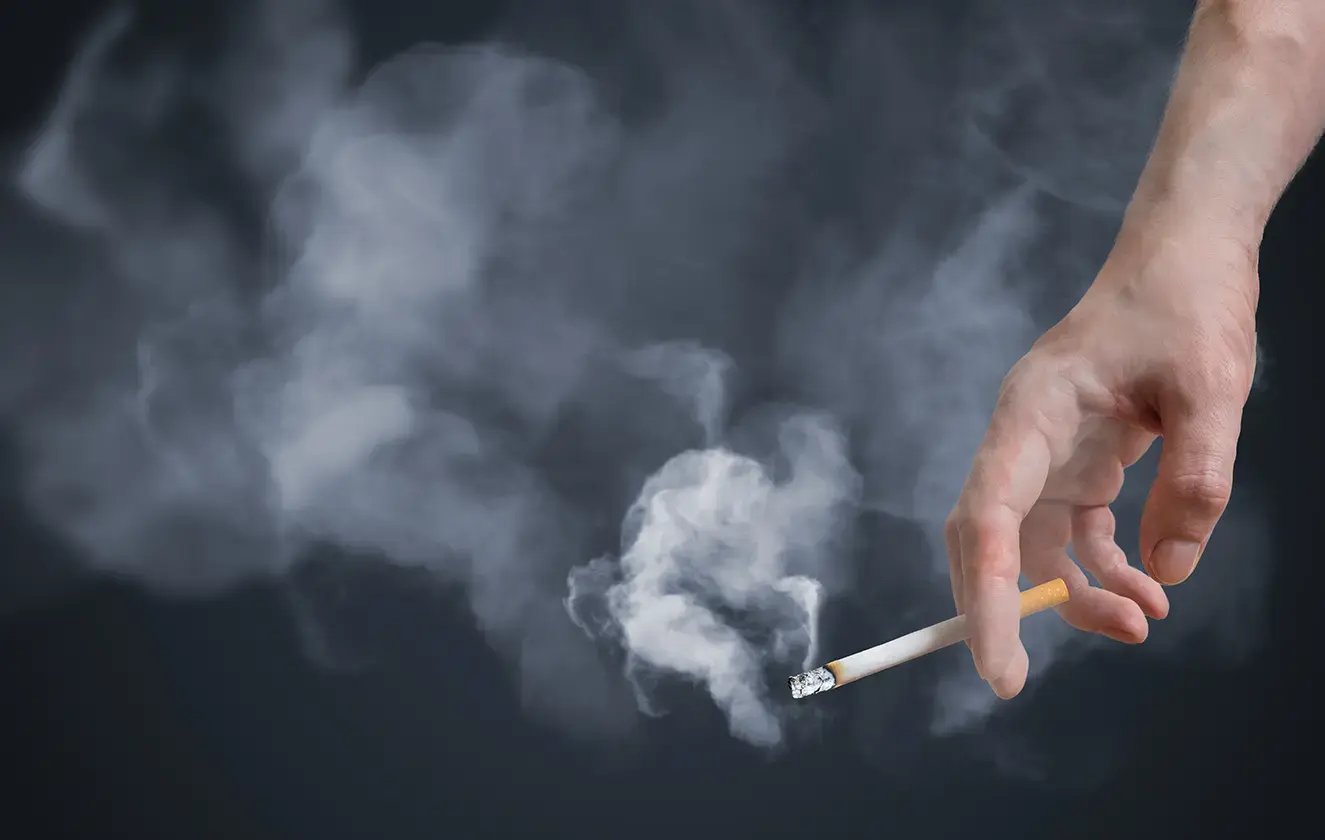
Anthropogenic sources account for the majority of indoor HCHO through the use of cigarettes, certain building materials (e.g., certain woods and glues) and consumer products.
HCHO levels can be particularly high when new materials and products are introduced into the indoor environment.
HCHO breaks down naturally, but it can last for months or years in an environment with formaldehyde-containing materials, high relative humidity, high temperatures, and poor ventilation.
HCHO can also be produced through the oxidation of volatile organic compounds (VOCs) and is itself considered a VOC.
Typical Causes of Indoor Formaldehyde (HCHO)
- Wood products, pulp and paper, synthetic fibres, plastics, coatings, and textiles.
- Smoking and vaping
- Formalin (37% HCHO solution), used to preserve tissue samples in laboratories and museums
- Adhesives, resins, binders and insulating material (Formaldehyde–urea)
Impacts of Formaldehyde (HCHO)
When inhaled, up to 90% of formaldehyde can be captured in the nasal mucus. The compound then sits in the nasal passages and the upper airways, which has been tied to an increased rate of nasal tumours in long-term exposure cases. Additionally, there is sufficient evidence to suggest that exposure to formaldehyde may cause myeloid leukaemia in humans. Short-term exposure can induce effects such as irritation to the eyes and upper airways, lungs, and skin. Formaldehyde is reported to be teratogenic, meaning it causes malformations in developing embryos or fetuses.
Common Impacts of Formaldehyde (HCHO)
- Irritation of the nose, eyes, mouth and throat.
- Formaldehyde has been classified as a cancer-causing chemical in humans.
- Causes nasal tumours and leukaemia in those exposed over long periods
- Vulnerable people (respiratory problems, children, pregnant) may be more sensitive to formaldehyde exposure.
Testing for Formaldehyde (HCHO)
In initial air quality surveys, we typically use point-in-time readings, which show the current levels of formaldehyde in the air. We conduct these using a handheld device which samples the air and registers the levels of HCHO to 0.03 mg/m3. To obtain more representative data, we can use pumped or passive sampling over the course of a week. This type of sampling is also required by standards such as BREEAM, as the results produced are more scientifically accurate and representative of a typical indoor environment.
- Pumped Active Sampling
- Passive Diffusive Sampling
- Point in Time Readings With Temptop M200
Concentrations are lower than levels outlined in the appropriate legislation, depending on the environmental type and activities performed in said environment.
- The BREEAM limit is less than or equal to 100µgm-3/averaged over 30 minutes.
- The Well Limit is 50 µg/m³ or lower.
- The HSE EH40 limit is 2.5 mg.m-3 over 15 minutes.
Concerned About Formaldehyde?
Contact us today for expert advice and a professional HCHO survey.
Formaldehyde FAQs
How Do I Remove Formaldehyde from My Indoor Air? ↓
Formaldehyde can be effectively filtered or ventilated out of indoor areas with the appropriate equipment. Carbon filters and photocatalytic oxidation systems are both effective methods to filter the air of HCHO, whilst ventilation systems, open windows, and HVAC are all methods to flush pollutants out and bring in fresh air. Continuous air quality monitoring should be conducted in areas with high HCHO concentrations in order to analyse patterns and spot issues before they become a health concern.
Removing formaldehyde is especially important after the construction process, as HCHO is especially prevalent in construction materials. For a new property, it is crucial to flush out the gases and pollutants released during the construction process before new tenants or occupants move in. Using low-emission HCHO materials is an option developers may opt for, as it can lead to a lower initial level of HCHO once construction is complete.
What Does Formaldehyde Look And Smell Like? ↓
Is Formaldehyde Dangerous To Humans? ↓
Yes, it is a carcinogen and a teratogen. It is also an irritant gas.
What Standards Refer To Set Formaldehyde Limits? ↓
Government standards include COSHH 2002, outlined in HSE EH40. Sustainable building standards include BREEAM, WELL (V1 & V2) and Fitwell.
How Do I Know When I Might Need To Conduct A Formaldehyde Survey? ↓
You may experience a sharp smell in the air for a prolonged period of time. A new office with all new fittings and equipment will likely have higher levels of HCHO. If the building has little or no ventilation, it would likely benefit from an air quality survey where formaldehyde will be measured.
Why Choose ARM?
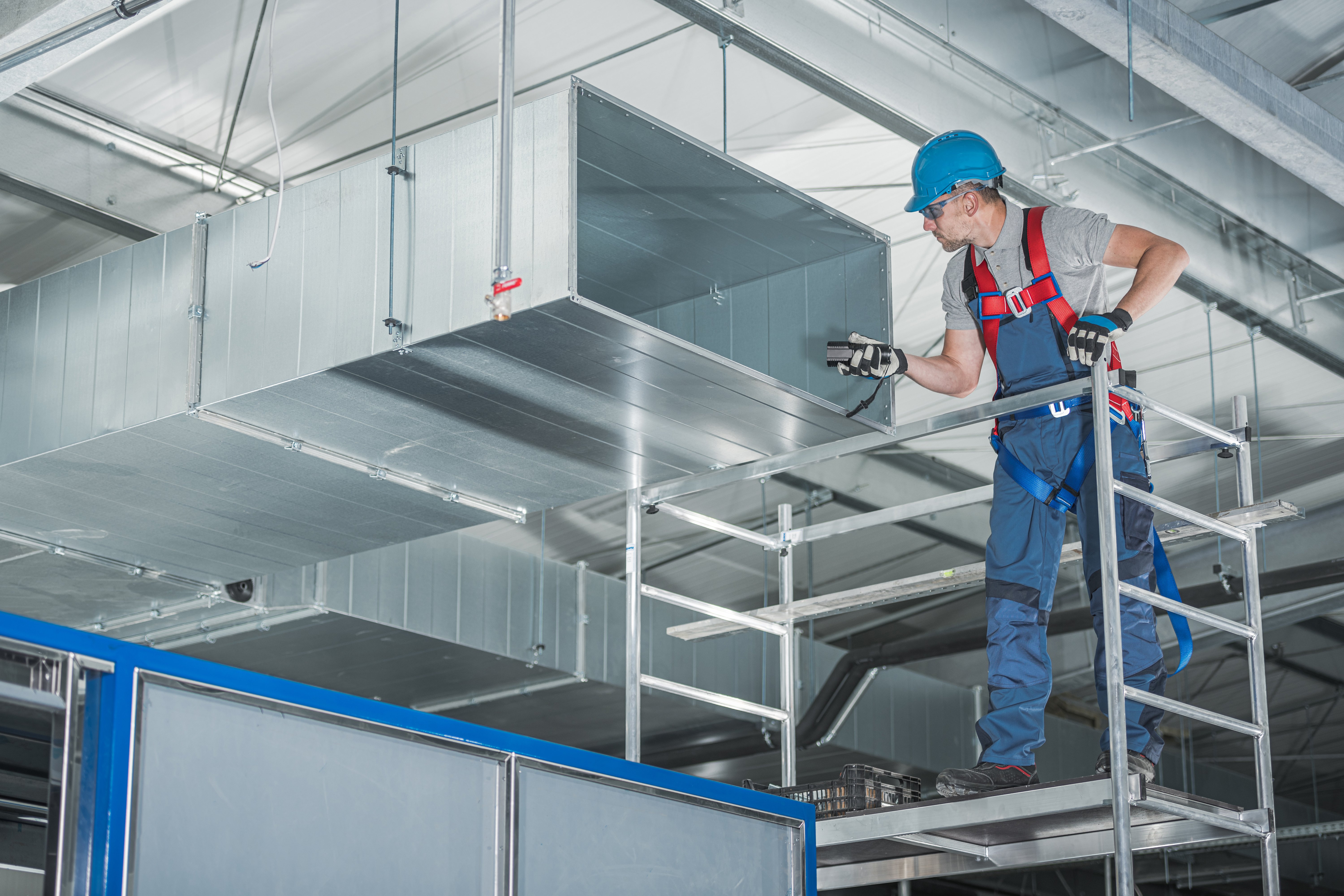
ARM provides comprehensive formaldehyde testing and advice on ventilation and material selection.
We are SafeContractor certified and active BESA members. Our CEO, Adam Taylor, chairs the BESA Indoor Air Quality Group, ensuring that our approach is evidence-led and fully compliant with industry guidelines.
Whether post-construction or in daily use, we help reduce risk and protect occupant health from harmful emissions.