Formaldehyde lab testing

Formaldehyde Testing

Measure staff exposure to formaldehyde (HCHO), compare it with legislative limits, and receive a clear report with practical next steps on how to remove formaldehyde from your space.

Accredited By
Awards From
ASHRAE Technology Award
HVR Awards 2023
H&V News Awards 2021
Post-Assessment Report & Breakdown
Quick Response & Fast Turnaround
BESA & SafeContractor Accredited

Measure formaldehyde concentrations

Formaldehyde testing measures the concentration of formaldehyde in your indoor air and compares the result with the limit or benchmark that applies to your space. That might be a UK workplace exposure limit (WEL) for staff who handle formaldehyde, a BREEAM or WELL threshold for a new or refurbished building, or the WHO indoor air guideline for general occupied spaces.


Formaldehyde (HCHO) is a colourless gas with a sharp smell. It is released from formalin, the solution used to preserve tissue samples, and from the resins and adhesives used in wood panels, furniture and foundry moulds.
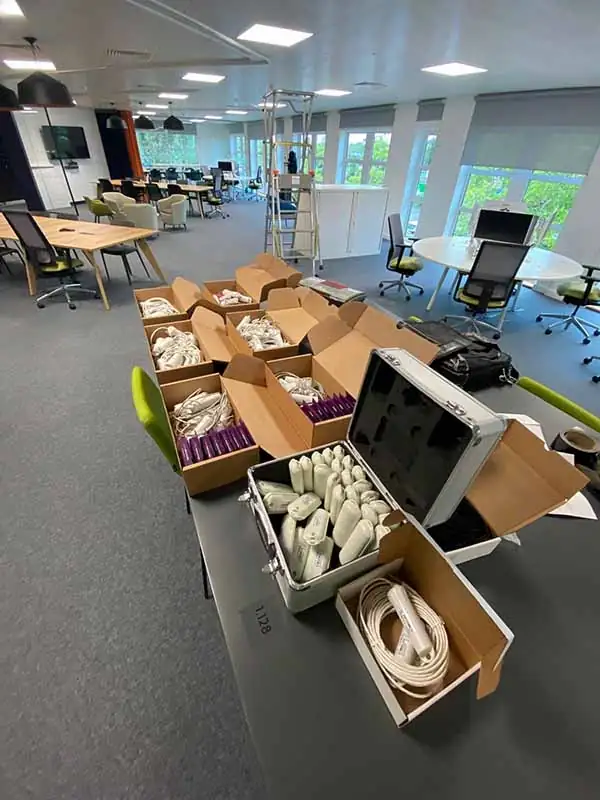
IAQ Sensors for formaldehyde HCHO surveys

Work-related illness UK statistics

Sources:  IARC Monographs Volume 100F (formaldehyde); WHO Guidelines for Indoor Air Quality: Selected Pollutants (2010); HSE: Work-related ill health and occupational disease in Great Britain; Key Figures for Great Britain 2024 to 2025.

Group 1

IARC HCHO classification: carcinogenic to humans

1.9m

workers suffer from work-related ill health in Great Britain

100µg/m³

WHO guideline for formaldehyde, averaged over 30 minutes

Who needs formaldehyde testing?

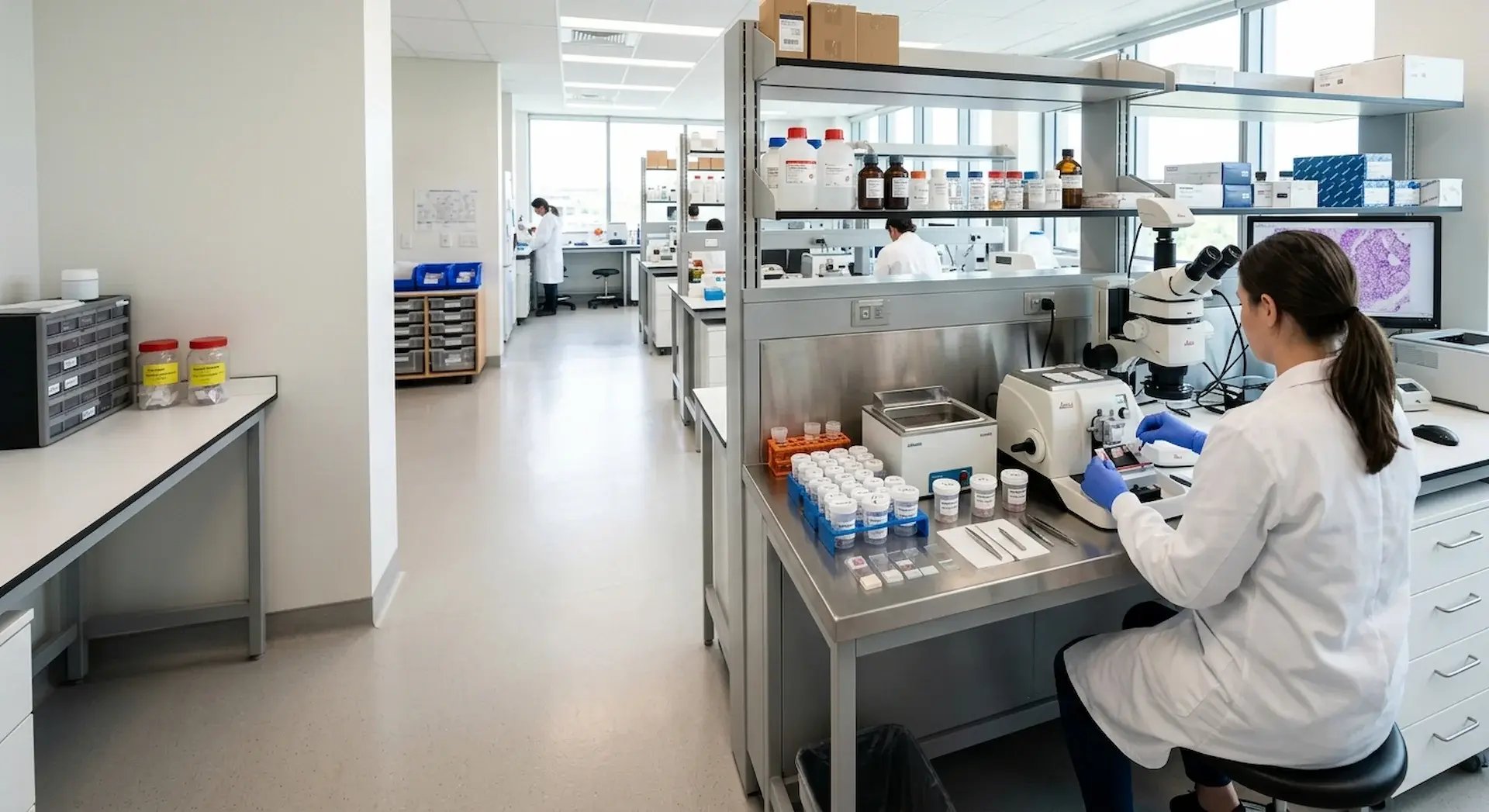
Any organisation with staff who handle formalin or work with formaldehyde-based materials should know what those staff are breathing in. So should anyone responsible for a newly built, refurbished or fitted-out space. That includes NHS trusts and private hospitals with pathology and histology labs, universities and schools, funeral directors, manufacturers that use formaldehyde resins, and developers, landlords and contractors working towards BREEAM or WELL.


Lab managers, estates and facilities managers, health and safety leads and sustainability managers are usually the people asked to evidence that air quality is acceptable.


Formaldehyde also comes from composite wood, furniture, flooring and adhesives in newly fitted spaces. Levels are usually well below workplace limits, but they can still affect comfort and may need to be evidenced for certification. Our VOC testing covers that side of it.

Where HCHO testing matters most:

  • Histology and pathology laboratories
  • Mortuaries and embalming areas
  • Anatomy and teaching laboratories
  • Wood panel, furniture and joinery manufacture
  • New-build or refurb offices, schools & homes
  • BREEAM or WELL certification
  • Any room where formalin is decanted

Worried about formaldehyde exposure?

Get measured formaldehyde data instead of assumptions, and find out how your space compares with the limits and benchmarks that matter to you.

What formaldehyde testing delivers

  1. IAQ data chart for formaldehyde concentrations Step 1

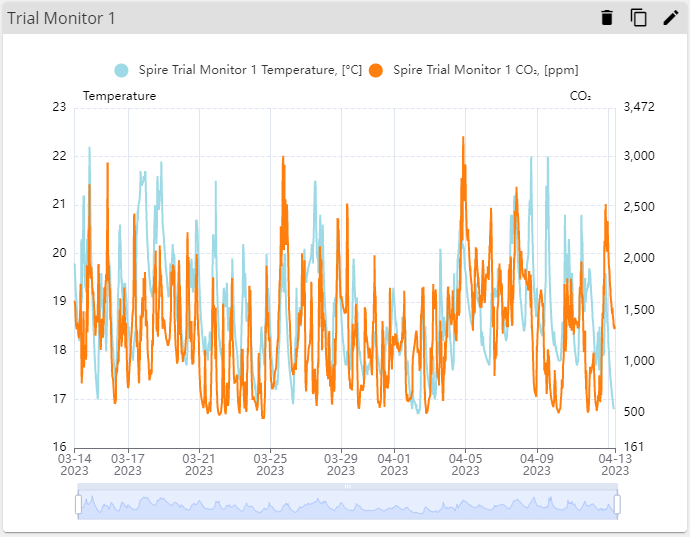
    Measured HCHO data

    Where exposure is the question, staff wear a sampler through their shift, so results reflect what they actually breathe in rather than just what is in the room. Where the building is the question, we place sampling tubes in representative rooms and send them off to an accredited lab.
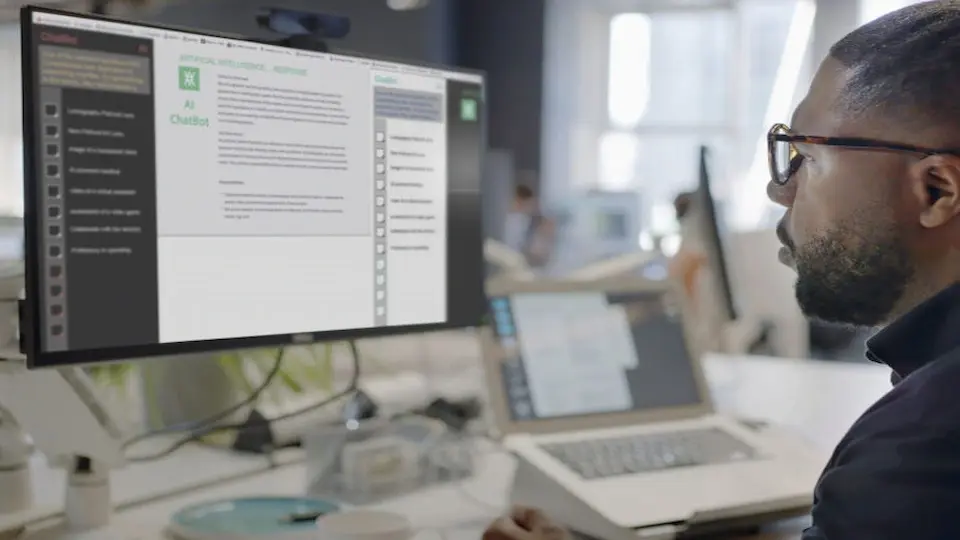
  2. Assessing formaldehyde readings from air quality monitors deployed in a workshop Step 2

    Source and control review

    Our engineers look at where the formaldehyde is coming from (formalin that is stored, decanted and used, or new furniture, flooring and fit-out materials), how air moves through the room, and whether extraction, fume cabinets or local exhaust ventilation (LEV) are working. We record the context alongside every sample, such as the tasks carried out, how long they took and who was in the room.

  3. Formaldehyde report handover Step 3

    A clear next step

    A tailored report with the results, how they compare with the relevant formaldehyde limits and benchmarks, and practical recommendations. That might be a ventilation improvement, a fix to extraction, a change in working practice such as lidded containers or closed transfer, or ongoing monitoring where levels need to be tracked to keep workers safe.

How Is formaldehyde testing carried out?

Formaldehyde testing uses area sampling, personal sampling where individual exposure matters, or both, run across a representative period and compared with the limits or benchmarks that apply to your space. 


Exposure is rarely even, which is why we often use both. A task like decanting formalin or clearing a spill can create a short peak, while the rest of the shift stays low. Sampling across busy and quiet periods gives a result you can rely on.


Different benchmarks use different averaging periods. WELs use an eight-hour average (plus a short-term limit), the WHO guideline is a 30-minute average, and certification schemes such as BREEAM and WELL set their own testing criteria.
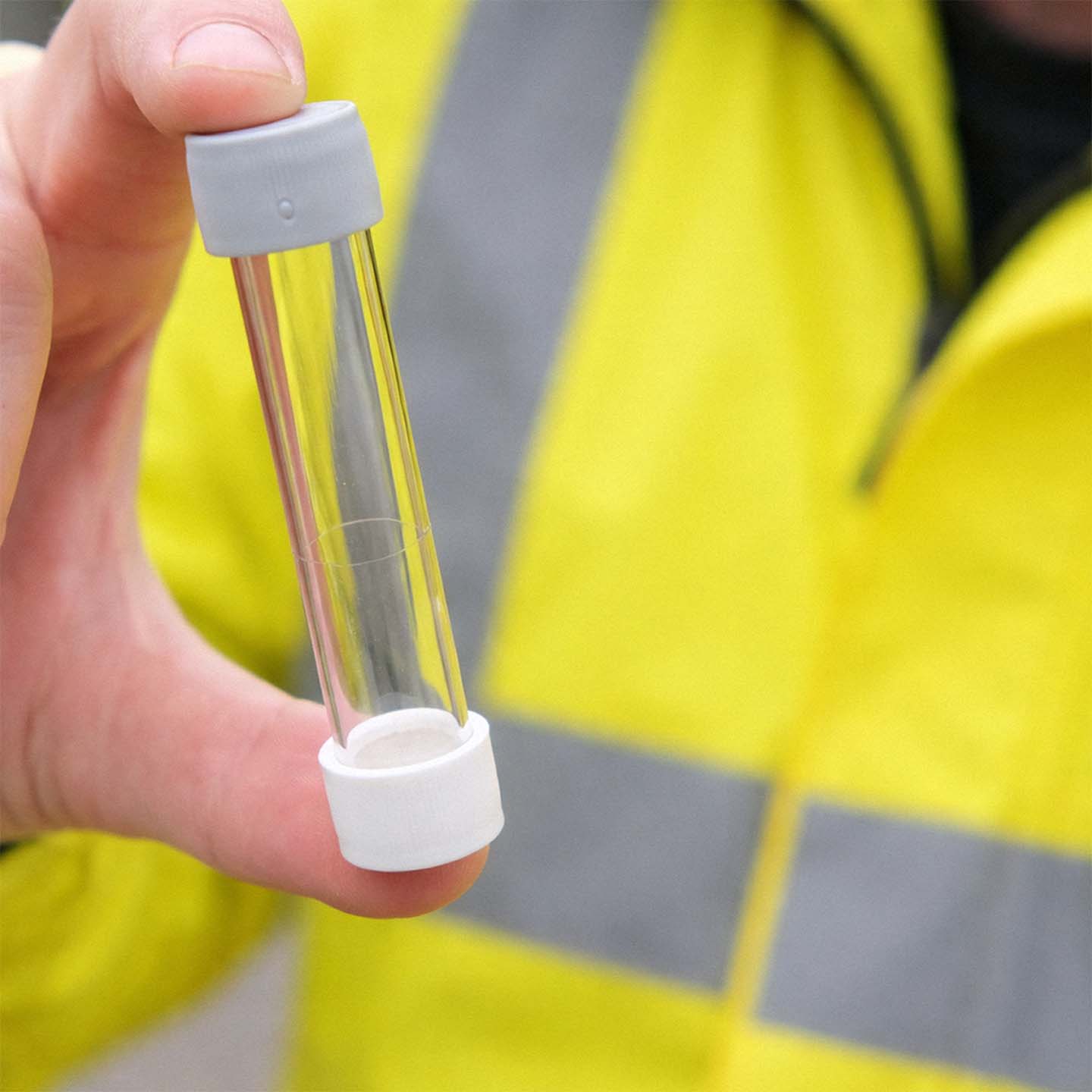
sample tube for formaldehyde

Relevant Case Studies

33 King Williams Street, London - Formaldehyde testing
Formaldehyde Testing

BREEAM IAQ Survey in Central London

  • ✓ Formaldehyde Tested
  • ✓ VOCs Tested
  • ✓ BREEAM Certification Achieved
Arbor building fitwel testing for formaldehyde
Formaldehyde Testing

London Office Fitwel Testing

  • ✓ High VOCs & HCHO Due to Recent Office Fit-Out
  • ✓ Formaldehyde Concentrations Measured
  • ✓ Fitwel Certification Achieved

Understanding Your Responsibilities as a UK Manufacturer

UK manufacturers in the industrial sector have specific legal obligations for indoor air quality and ventilation. We help facilities managers understand compliance requirements and implement practical solutions.
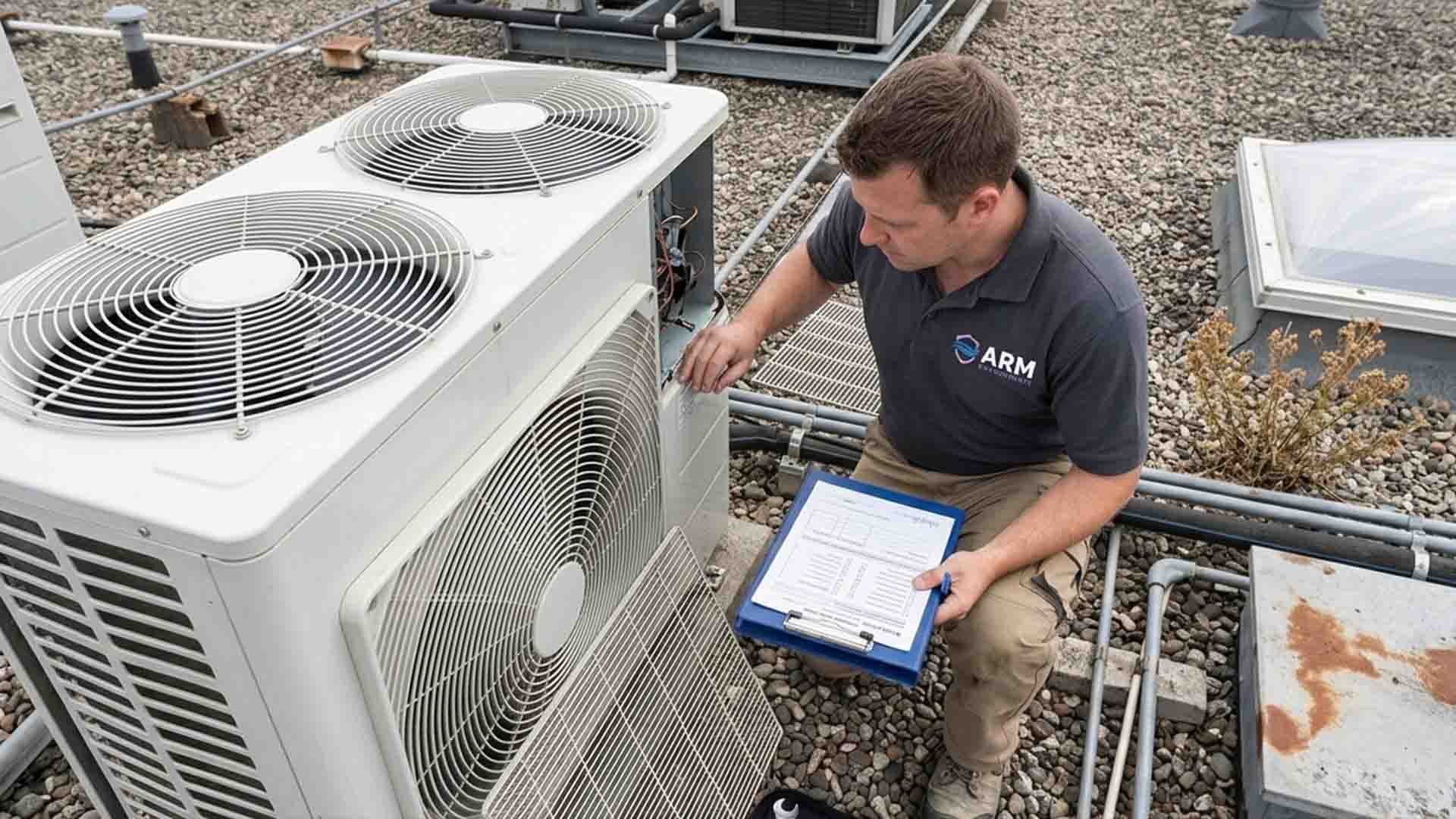
hvac system inspection

Air Quality Testing

Identify indoor air quality risks and verify compliance with UK regulations. Our expert testing evaluates contaminant levels, ventilation effectiveness, and system performance to protect occupant health.


Ventilation Validation

Ensure your ventilation systems meet regulatory standards. We measure airflow rates, validate system design, and confirm compliance to maintain safe, healthy indoor environments.


HVAC Maintenance

Maintain optimal HVAC performance with scheduled servicing. Our maintenance programmes prevent system failures, reduce energy costs, and ensure continuous compliance with air quality standards.


Understanding Your Responsibilities as a UK Employer

Manufacturers that use formaldehyde-based resins and adhesives, in wood panel, furniture, foundry and textile processes, must assess and control exposure under COSHH. Heated resins release formaldehyde, so curing and hot processes are the usual hot spots. We help facilities and production managers work out where exposure is happening and what will bring it down.


HSE guidance asks employers to keep formaldehyde exposure as low as is reasonably practicable. Good practice means a COSHH risk assessment for each task and room involved, controls that are maintained and checked, and measured evidence that they work.

HSE inspection audit

Why choose ARM for formaldehyde testing?

We don’t only measure formaldehyde. We look at why it is building up in a room and what will fix it. ARM offers specialist personal and area monitoring, paired with ventilation strategies, so the report you receive finishes with actions rather than just numbers.


Our engineers are SafeContractor certified and BESA affiliated, and our CEO Adam Taylor chairs the BESA Indoor Air Quality Group. We regularly work in healthcare settings and understand the access, infection control and out-of-hours constraints that come with them.
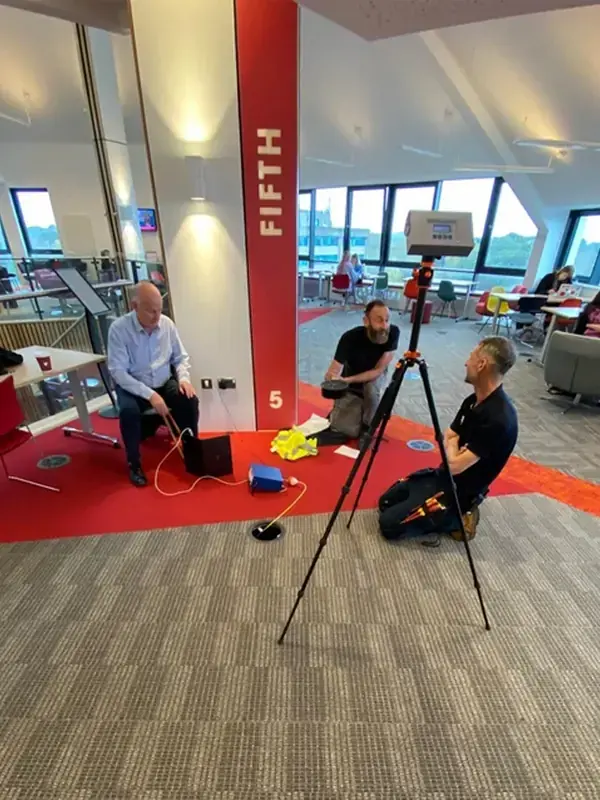
formaldehyde monitoring in dorset

Need more information?

Talk to one of our air quality hygiene experts today about booking a formaldehyde survey.

Frequently Asked Questions

What are the acceptable levels of formaldehyde in the UK? ↓

It depends on the setting. For workers who handle formaldehyde, the workplace exposure limit (WEL) is 2 ppm (2.5 mg/m³) averaged over eight hours, with a short-term limit of 2 ppm over a 15-minute reference period. Both are listed in EH40/2005.

For general indoor air, the WHO guideline is 0.1 mg/m³ (100 µg/m³) averaged over 30 minutes, and certification schemes such as BREEAM and WELL set their own thresholds. HSE has noted that the formaldehyde WEL is under review, so check the current edition of EH40 for the latest figures.

How do you test for formaldehyde in a workplace or building? ↓

We use area sampling in the room, personal sampling where staff wear a device through their shift, or both, depending on the question being asked. Results are compared with the limit or benchmark that applies, and we record how the room was used so that any high readings can be traced to a cause. 

Can a standard air quality monitor detect formaldehyde? ↓

Some can, with limits. Many portable air quality monitors include an electrochemical formaldehyde sensor, which is useful for screening and spotting peaks. These sensors have limited accuracy at low concentrations, can respond to other vapours such as alcohols and solvents, and drift over time, so they are not always accepted as evidence for compliance or certification.

A CO2 monitor tells you nothing about formaldehyde, and a TVOC reading cannot confirm it either way.

For results you can rely on, specific formaldehyde sampling is needed.

Who is most at risk of formaldehyde exposure at work? ↓

Anyone who handles formalin or works with formaldehyde-based materials, particularly in poorly ventilated rooms. That includes histology and pathology staff, mortuary and anatomy teaching staff, embalmers, and workers in wood panel, furniture and foundry processes. HSE highlights heated formaldehyde resins in foundries as a source.

What are the health effects of formaldehyde exposure? ↓

HSE states that formaldehyde can irritate the eyes, skin and respiratory tract, and that prolonged exposure may cause skin sensitisation and allergic contact dermatitis. IARC classifies formaldehyde as carcinogenic to humans (Group 1), linked to cancers of the nose and throat and to leukaemia. Staff with health concerns should speak to their occupational health team or GP.

Do employers have to monitor formaldehyde exposure? ↓

COSHH requires employers to assess and control exposure to hazardous substances, and formaldehyde has a WEL. Monitoring is required where it is needed to show that controls are working or to protect health, and the risk assessment decides that. Where staff handle formalin regularly, measured data is the strongest evidence that controls are effective.


How often should formaldehyde exposure be tested? ↓

Your risk assessment sets the frequency. Re-testing makes sense after changes to processes, ventilation, extraction, the volume of formalin used or fit-out materials, or when staff or occupants raise concerns. Because exposure varies with workload, a single test is a snapshot rather than a permanent answer.

How can formaldehyde exposure be reduced? ↓

The starting point is adequate ventilation, with extraction or LEV that captures vapour at the source, lidded containers, closed transfer of formalin and prompt spill clean-up. Substituting formalin where a suitable alternative exists removes the problem entirely. Testing shows which of these your room actually needs.

Does formaldehyde come from new furniture and buildings? ↓

Yes. Composite wood, furniture, flooring and adhesives can release formaldehyde, most noticeably in new or newly refurbished spaces. Levels are normally far below the workplace limit, but they can still affect comfort. The WHO indoor air guideline is 0.1 mg/m³ over 30 minutes. Air quality monitoring can show how levels change over time.

Do I need formaldehyde testing for BREEAM or WELL certification? ↓

Where the scheme includes post-completion indoor air quality testing, yes. BREEAM and WELL both set formaldehyde thresholds that measured results are compared against, and the criteria vary by scheme and version, so check the version your project is registered under.

Speak to an air quality specialist

Share your concerns and compliance requirements. Our team will respond promptly to discuss how we can help you protect your staff.

Terms & Conditions | Privacy Policy
©2026 ARM Environments. All Rights Reserved.

safecontractor approved accreditation certificate
ARM Environments is BESA accredited
ukas inspection certificate
SSIP member certificate

+44 (0)1722 710312
22 High St, Alderbury, Salisbury SP5 3DU