Air Pollution and Depression — A Lesson for Hotels
Air quality in hospitality is usually discussed in terms of odours, compliance, and comfort. Research published in 2025 suggests it may be worth thinking about more than that.
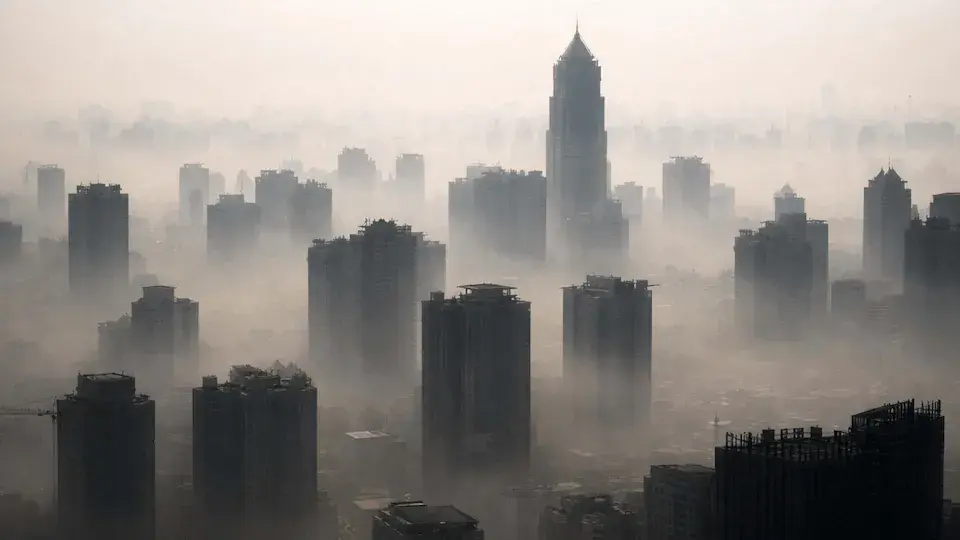
A study in Scientific Reports examined links between air pollution exposure and depressive symptoms in adults aged 45 and over. Researchers found consistent associations between higher levels of fine particulate matter (PM2.5) and sulphur dioxide (SO2) — and increased odds of depressive symptoms. Indoor air pollution from solid fuel combustion showed a similar pattern. The combined effect of indoor and outdoor exposure appeared stronger than either alone.
These associations are consistent enough to prompt a closer look at what guests are breathing during their stay.
See also: Indoor Air Quality in the Hospitality Sector
Why Hotels Face an Air Quality Challenge
Guests have no control over the air in their rooms. Unlike at home, they cannot change a filter, adjust ventilation, or choose a different product. That places responsibility with the operator.
Hotel environments also combine several common indoor pollutant sources in a relatively compact space:
- HVAC systems that recirculate particulates if filters are overdue
- Cleaning chemicals and laundry products releasing VOCs
- Catering operations generating combustion by-products
- High room turnover limiting time for adequate air exchange
- Scented amenities and air fresheners adding to the pollutant load rather than reducing it
The safest indoor environment is typically the one you can't smell at all. Fragrance, however pleasant, is almost always a sign that something is being added to the air.
Learn more: Indoor Air Quality Testing | AHU Servicing
Why PM2.5 Matters Indoors
PM2.5 particles are fine enough to enter the bloodstream through the lungs. They are known to trigger systemic inflammation — and researchers believe this inflammatory pathway may influence brain health and mood regulation. This is part of why the 2025 findings drew attention: the mechanism is plausible, not just statistical.
Older travellers — a significant and growing segment of both leisure and corporate hotel stays — may be more vulnerable due to cumulative exposure and existing health conditions. Many of the studies in this area specifically focus on the over-45s.
Learn more about pollutants: PM2.5, PM10.
The Business Case for Better Indoor Air Quality in Hotels
Guests who leave a stay feeling flat are unlikely to attribute it to air quality. But the experience shapes their review, their likelihood to return, and their recommendation to others. Premium and luxury properties are judged on how a stay feels, and air quality is an invisible, but tangible, part of that.
For high-end properties working towards health and wellbeing accreditation — WELL, Fitwel, or BREEAM — documented indoor air quality management is increasingly a formal requirement, not just a differentiator.
See also: BREEAM Testing | Fitwel Testing
Where To Start Improving your Hotel Air Quality
Understanding your indoor air environment does not require a full refurbishment. Structured assessment identifies where exposure risks are highest and where improvements will have the most impact.
ARM Environments provides indoor air quality monitoring and ventilation validation testing for hospitality environments across the UK. If you are unsure where to start, get in touch and we can talk through what would be appropriate for your property.
"In hospitality, the link between environment and experience is well understood when it comes to temperature, noise, and lighting. Air quality deserves the same attention — and the means to assess it are straightforward but often overlooked."
Adam Taylor, CEO
Frequently Asked Questions
Can air quality affect how guests feel during a hotel stay?
Research shows associations between indoor air pollutants and depressive symptoms, though causation has not been confirmed. Poor ventilation, particulate matter, and VOC emissions from cleaning products or furnishings can all contribute to elevated indoor pollution levels. Find out more about indoor air quality testing.
What are the main pollutant sources in hotels?
HVAC systems, cleaning chemicals, catering equipment, soft furnishings off-gassing VOCs, and fragrance products are among the most common. Our mould surveys and WEL exposure testing can identify specific risks relevant to your property type.
How is indoor air quality assessed in a hotel?
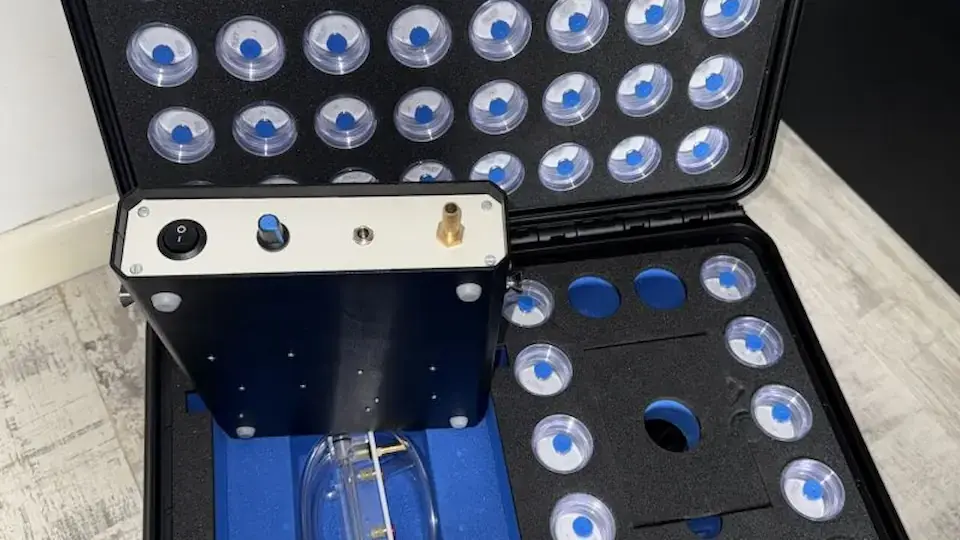
Assessment typically combines air sampling, HVAC performance checks, and pollutant source identification — providing a measurable baseline and informing targeted improvements. Talk to us about what's involved.