PM2.5
- Sources
- Impacts
- Testing
Sources
Sources of Particulate Matter <2.5µm (PM2.5)
The physical composition of particulate matter is ambiguous, containing both solid and aerosol particles suspended in the air. This mixture is comprised of dust, minerals, carbon molecules, sulphates, heavy metals, and water. Particulate matter ≤2.5 micrometres (µm) in diameter is classified as fine particles called PM2.5, whilst particles smaller than 0.1µm are classified as Ultra Fine Particulate Matter (UFPM), but these definitions are relatively new and unsolidified. For scale, a human red blood cell has a diameter of ~7µm.
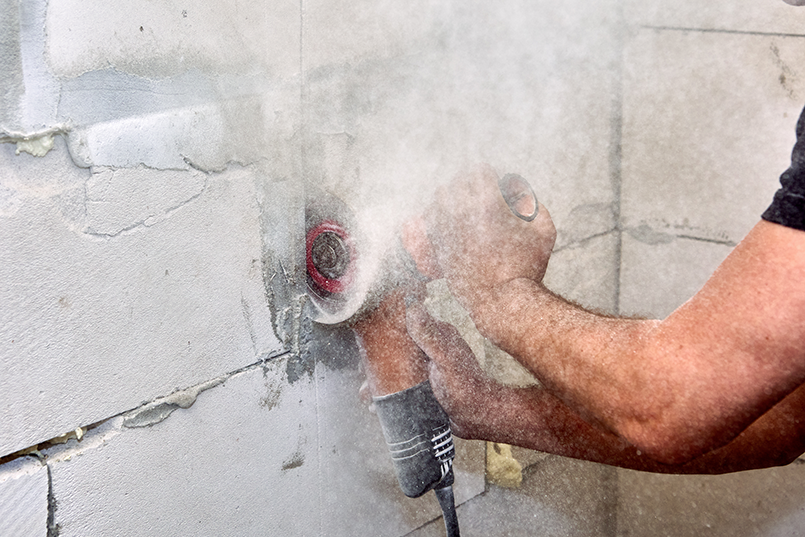
Some of the primary anthropogenic sources of PM2.5 include domestic heating methods using biomass, factory and vehicle exhausts, friction between vehicle tyres and road surfaces, dust from construction/demolition sites, mining, and agriculture. Natural sources of PM2.5 include wildfires, pollen, sea spray, and volcanic eruptions.
Where PM10s are more likely to include coarse dust and dirt, PM2.5s are more combustion-related, containing more organic compounds, metals, and are often secondary chemical particles. This is a type of particle that forms within the atmosphere through chemical reactions (e.g., ammonia can react with nitrous oxides to form ammonium nitrate). Levels of exposure to PM2.5 and the composition of the matter itself are dependent on the type of built environment you live in (e.g., close to a motorway), the local processes nearby (e.g., a smelting plant), and lifestyle choices (e.g., burning a log fire). Unfortunately, socio-economic status can have a significant influence on PM10 exposure, particularly by restricting where people in lower socio-economic groups can live and work.
Typical Sources of PM2.5
- Combustion Fumes Related to Transport & Industry
- Abrasion of Breaks, Tyres and Road Surface
- Construction, Mining, Demolition and Agricultural Dust
- Wildfires, Pollen, Seaspray and Volcanic Eruptions
Impacts
Impacts of Indoor PM2.5
Particulate matter is both a carcinogen and a respiratory and cardiovascular irritant, causing both short-term and long-term health effects. PM2.5, due to its size, are more likely to deposit deeper into the lungs than PM10. These smaller particles can penetrate deep into the respiratory and circulatory systems, causing more extensive damage. PM10 can worsen already existing respiratory conditions, with children and the elderly at greater risk; however, PM2.5 does this to a greater effect, having the ability to impair cardiovascular and respiratory functions and decrease the time and level of exposure necessary to develop chronic diseases. PM2.5 is associated with the greatest proportion of adverse health effects related to air pollution.
Common Impacts of PM10
- The development and worsening of Cardiovascular and Respiratory Disease
- Reduction in Life Expectancy
- Negatively Impact Cognitive Functions
- Premature Death
Testing
Testing for PM2.5
Testing for PM2.5 is relatively easy to carry out. With the use of the Temptop M2000, we can perform point-in-time readings of PM2.5 in a given environment. It uses a Laser PM Sensor to detect PM2.5 to a resolution of 0.1µg/m³. Many domestic air quality monitors also include PM2.5 as a measurable pollutant,- Temptop M2000 2nd
- Air Quality Monitors
Limits of PM2.5 (normally in µg/m³ ) are variable within legislation depending on the environmental type and activities performed in said environment. The Air Quality Standards Regulations (2010) set an annual average for outdoor PM2.5 levels at 20 µg/m3. The Environmental Targets (Fine Particulate Matter) (England) Regulations (2023) state that by 2040, this annual average should be down to 10µg/m3. The Environmental Improvement Plan 2023 states that by 2028, the UK national average should be 12 µg/m3. The WHO's recommended annual average concentration of PM2.5 is 5 μg/m3. It is stated that there is no safe amount of PM to have within the air, so all efforts to reduce PM should be maximised, ALARP.
- The Air Quality Standards Regulations (2010) annual limit is ≤20 µg/m3
- The Environmental Targets (Fine Particulate Matter) (England) Regulations (2023) annual average is 10 µg/m3 by 2040
- The WHO's recommended annual average concentration of PM2.5 is 5 μg/m3
PM2.5 FAQs
How Do I Remove PM2.5 from My Indoor Air? ↓
Keeping a building candle, incense, and smoke-free can reduce the quantities of PM2.5 in the indoor environment. When cooking, aim to fry less or increase ventilation rates to remove the PM. HVAC/filter system usage, alongside Photocatalytic Oxidation, Bipolar Ionisation, or Carbon Filter systems, can keep IAQ to a high standard. Without this equipment, it is important to open windows (if appropriate; check the air quality index for your area), especially after cleaning the house. It is also good practice to continuously monitor the air quality to analyse patterns and spot issues before they become apparent.
What's The Difference Between PM10, PM2.5 And UFPM? ↓
Physically, the only difference distinguishing these pollutants is their size (<10μm, <2.5μm, <0.1μm). However, this difference in size alters the absorption properties, the transport mechanisms into the body, and the health impacts. PM10 is regarded as the least harmful of the three, sometimes causing short-term ENT irritation and shallowly penetrating lung tissue. PM2.5, being finer, can penetrate deeper into lung tissue and the bloodstream, causing a greater degree of oxidative stress, which can harm the respiratory and cardiovascular systems. UFPM has effects which are yet to be elucidated, and therefore, regulations do not yet exist for this PM. Scientists theorise it could have several more aggressive health implications than those of PM2.5 and PM10. As a rule of thumb, the smaller the particulate matter is, the more harmful it is likely to be.
What Legislation Relates To Indoor PM2.5 Levels? ↓
In the UK, there is no legislative limit to PM2.5 levels; however, as indoor particulate matter is largely a result of infiltration of outdoor PM, it's reasonable to reference outdoor air quality targets as a benchmark for assessing indoor air quality. For guidance, see: The Air Quality Standards Regulations (2010); EH40 Workplace Exposure Limits; and Homes (Fitness for Human Habitation) Act (2018).
How Do I Know If My Local Outdoor Levels Of PM2.5 Are Bad? ↓
Is There A Way To Perceive If A Room Has High Levels Of Particulate Matter? ↓
No, indoor PM is too small to be seen and cannot be accurately identified by scent. Due to a mixture of substances constituting PM, sometimes it can smell, but other times it may not. In some large outdoor urban environments, like some cities in China, where pollution is much higher, PM can reduce visibility and create a hazy-like visual.
Why Choose ARM?
ARM is a specialist in the assessment and reduction of PM2.5 exposure – the most harmful airborne pollutant indoors.
We’re SafeContractor certified, a BESA member, and led by Adam Taylor, Chair of the BESA Indoor Air Quality Group.
Our tailored approach uses accurate monitoring and high-efficiency filtration to reduce risk and keep your air clean, whether in commercial, residential or healthcare settings.