Carbon Monoxide
- Sources
- Impacts
- Testing
Sources of Carbon Monoxide (CO)
Carbon Monoxide is a colourless, non-irritating, odourless, and tasteless gas, making it difficult to detect.
Naturally, CO can be produced as a secondary pollutant through photochemical reactions within the atmosphere, as well as through metabolic processes by microbial activity.
Forest fires and volcanic activity are significant natural sources which burn fuels without the presence of enough oxygen to form CO2, leading to the formation of CO molecules.
The majority of anthropogenic sources of CO are also due to incomplete fuel combustion, such as using gasoline, coal, or natural gas for a variety of industrial processes or vehicles and transportation.
For these reasons, dense urban areas can see increased levels of CO.
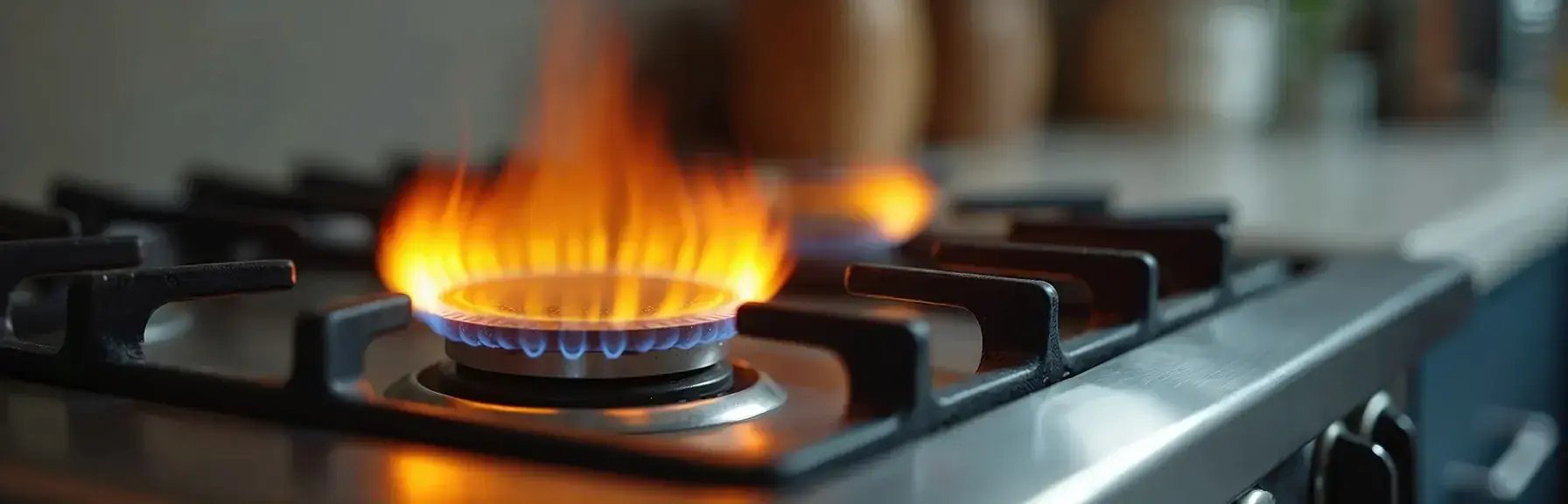
Cigarette smoking can also lead to various degrees of CO exposure. Indoor environments can see CO emissions from faulty cooking appliances, such as poorly-installed home boilers, inadequate ventilation, BBQs and fireplaces.
Typical Sources of CO
- Incomplete Fossil Fuel Combustion
- Wildfires & Agricultural Burning
- Faulty Domestic Appliances
- Cigarette Smoke
Impacts of Carbon Monoxide (CO)
As the characteristics of CO make it incredibly difficult to perceive, it's typically combined with Mercaptan, which provides a strong sulphur-like smell, and Carbon Monoxide detectors are commonplace in many homes for the same reason. The risk of CO lies in its ability to bind with your red blood cells' haemoglobin more effectively than oxygen. When inhaled, CO creates carboxyhaemoglobin instead of oxyhaemoglobin, which makes red blood cells effectively useless in their role of carrying oxygen around the body. As bodily tissues are deprived of oxygen, effects of brief exposure can include: headaches, nausea, dizziness, and fatigue. Moderate to high-level exposure may result in chest pain, shortness of breath, loss of consciousness, and seizures. Extreme exposure can lead to comas, brain damage, and even death. Cigarette smokers have about 15% more carboxyhaemoglobin in their blood than non-smokers. Groups who are especially vulnerable to the effects of hypoxia include: those with underdeveloped or overexerted systems, children, and the elderly. Pregnant women are at a serious risk of Carbon Monoxide poisoning as fetal haemoglobin is highly effective at binding with CO.
Common Impacts of CO
- Headaches, Fatigue
- Chest Pain, Shortness of Breath
- Comas, Hypoxia
- Brain Damage, Death
Testing for Carbon Monoxide
Use of point in time readings with the testo 317-3. Longitudinal testing with the use of a Lascar EL-USB-CO. Readings can be measured over the course of two weeks if needed.- Point-in-Time Readings With Handheld Device
- Longitudinal Testing With USB Logger
Ideally, we reduce Carbon Monoxide levels to 0ppm (parts per million), as the compound is regarded as incredibly harmful. CO levels of 400 ppm can elicit physical symptoms within 45 minutes, and can be fatal within 2-3 hours due to hypoxia to the brain and vital organs. Due to its severity, the WHO states a limit of 6 ppm over 24 hours, and the EPA states a limit of 9 ppm for outdoor air over an 8-hour period. The UK WELs set a limit slightly higher at 20 ppm over 8 hours.
- The WHO has a limit of 6 PPM indoors over a period of 24 hours
- The EPA has a limit of 9 PPM for outdoor air over an 8-hour period
- The UK WELs Limit is 20 PPM over an 8-hour period
Concerned About Carbon Monoxide?
Contact us today for expert advice and information on how we can monitor levels of CO in your building.
Carbon Monoxide FAQs
How Do I Remove CO From My Indoor Air? ↓
If you aim to keep Carbon Monoxide levels at a minimum in your indoor environment, it is important to first ensure you have a working Carbon Monoxide detector and that it is tested monthly (i.e., does it have power, does it sound?). Avoid smoking in the house and ensure the rooms are adequately ventilated if you are using burning appliances, like a gas stove. You can ensure appliances like stoves and boilers are not malfunctioning by having the air quality tested or the appliances serviced.
Why Do I Need To Worry About Carbon Monoxide If I Have A Detector In My Home? ↓
Even with a working Carbon Monoxide detector, concentrations below 30 ppm will sometimes not be detected, but can still affect the body. At this level, symptoms can arise, such as headaches, nausea, or dizziness. Additionally, alarms have to detect CO at a certain concentration for a certain period of time, meaning symptoms can be experienced long before a Carbon Monoxide detector will warn you. Thankfully, our longitudinal testing methods can draw a much more accurate picture of CO in the environment and detect even low-level exposure.
What Symptoms May I Start To Feel If I Am Exposed To Carbon Monoxide? ↓
Low-level symptoms are subtle and can be confused with other conditions. Headaches, dizziness, nausea, vomiting, fatigue, confusion, shortness of breath, and stomach pain. In some cases, personality changes, muscle pain, and vertigo may also occur.
Are Carbon Monoxide And Carbon Dioxide Similar? ↓
What UK Legislation Relates To Carbon Monoxide? ↓
EH40/2005; Smoke and Carbon Monoxide Alarm (Amendment) Regulations 2022.
Why Choose ARM?
CO is a deadly gas often undetected until it’s too late. ARM goes beyond standard alarms, using advanced monitoring to detect low-level leaks early.
We are SafeContractor certified and BESA members. With CEO Adam Taylor chairing the BESA Indoor Air Quality Group, our clients receive trusted advice that aligns with national safety standards for compliance, health and long-term reassurance.