Adam Taylor speaks on mould and the case for mandatory HVAC inspections in the UK
ARM Environments CEO, Adam Taylor, was invited by CIBSE Journal to share his perspective on the factors that led to the introduction of Awaab’s Law in 2025, and on the ongoing damp and mould issues affecting tenants, particularly within social housing.
With BRE estimating that around 65,000 homes in England are associated with category 1 damp and mould hazards, and with new legislation now in place to strengthen protections for social housing residents, mould has rapidly become a national talking point. What has driven this sudden surge in attention, and why do so many homes remain vulnerable to persistent mould growth despite growing awareness and regulatory change?
The skills gap is fuelling preventable failures
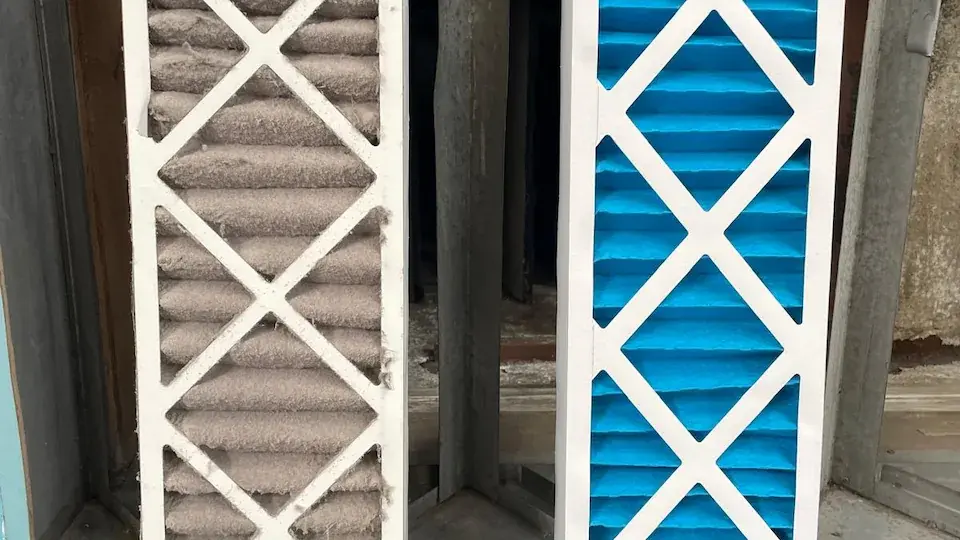
There is still a worrying lack of understanding around how ventilation systems actually work, and why they matter. Too often, ventilation is treated as a background utility rather than a core health safeguard. When knowledge is thin, problems are easy to dismiss. Airflow rates are not checked, systems are poorly commissioned, and warning signs such as condensation or musty odours are shrugged off until mould becomes visible and entrenched. Frameworks such as BESA's SKEB are being put in place in the construction industry in an attempt to address this glaring problem.
Another contributing factor is that modern buildings are more airtight than ever. That makes ventilation performance absolutely critical, but systems often aren’t designed or maintained to such a standard. Without properly designed air changes, balanced systems, and ongoing verification, moisture accumulates quietly behind walls and within fabric. A gap in competence, whether at design, installation, or maintenance stage, can turn what should be a protective measure into a contributing factor.
The risks of poor IAQ are amplified in social housing
The stakes are particularly high in social housing, which is precisely why Awaab’s Law has brought mould and damp into sharper focus. In many cases, the same everyday activities, cooking, showering, drying clothes, are taking place within smaller floor areas, often with higher occupancy levels. The moisture load per square metre is simply greater.
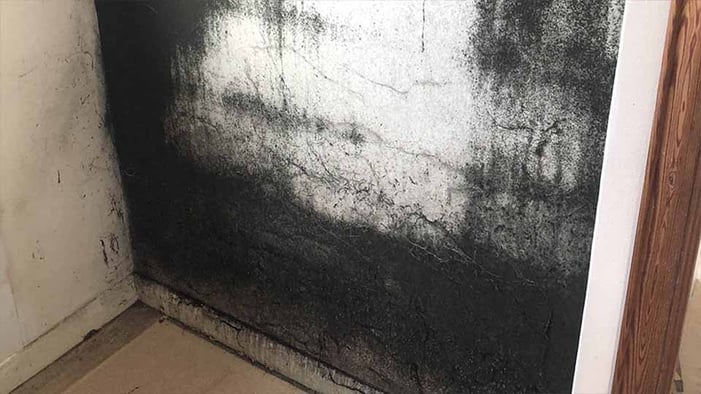
Combine that with airtight construction, limited space for adequate airflow pathways, and sometimes ageing or underperforming systems, and the margin for error becomes extremely small. Instead of blaming occupants for living their lives, it’s important that we recognise that where density is higher and space is tighter, ventilation has to work harder and more reliably. If it does not, moisture accumulates quickly, and mould can escalate from a minor issue to a serious health risk in a short period of time.
As Adam explains in the CIBSE article, there is a misconception that mould grows more predominantly in dirty homes, which underscores a complete misunderstanding of the problem and actually makes the situation worse for social housing residents, who begin to feel a sense of shame for the damp in their home. As long as landlords, councils, property owners, and policy-makers continue to misunderstand the causes of damp and mould, residents fall under even greater risk: when awareness is low, issues are neglected, and when issues are neglected, mould thrives.
Neglected Maintenance: How Obligatory Ventilation Control changes the landscape
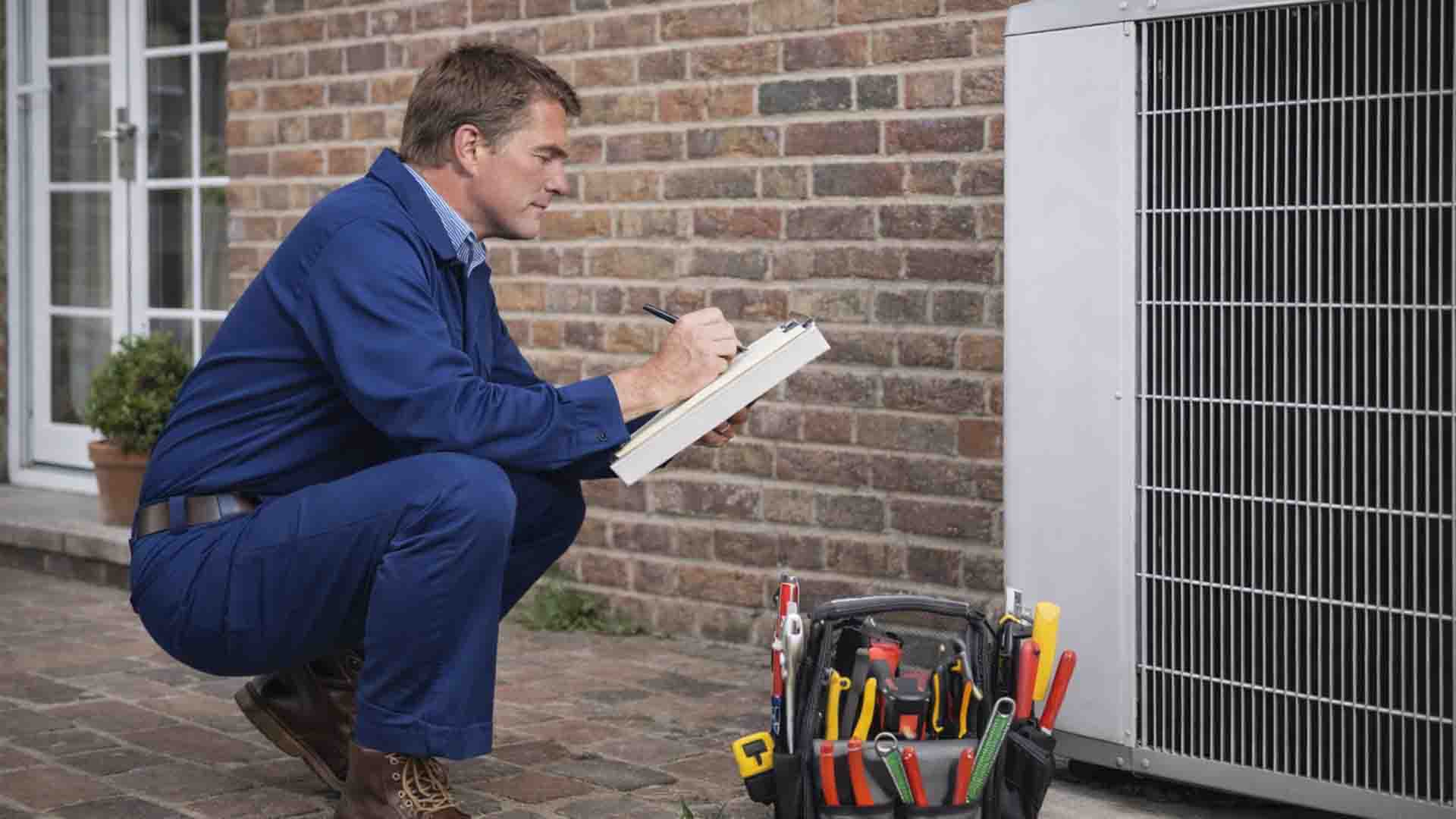
One of the clearest lessons comes from Sweden, who recovered from a mould crisis decades ago. After housing became more airtight due to heavier insulation in the 1970s and 80s, Sweden introduced mandatory inspections through a system known as Obligatory Ventilation Control in 1991. This framework requires routine checks of ventilation systems by certified professionals, ensuring they are performing as designed and maintaining adequate indoor air quality. It is not left to chance, and it is not left to assumptions. The importance of such a system seems obvious; in a particularly airtight space, pollutants like microbes and gases can quickly fill a room, so regularly ensuring the ventilation systems work as intended ensures air remains clean and health risks are prevented.
Regular inspection prevents drift in performance, identifies faults early, and keeps responsibility clearly defined. It acknowledges that systems degrade over time and that maintenance is not optional — landlords can get hit with some hefty fines if their building’s ventilation system is inspected by the local municipality and found to not meet the standards. OVK isn’t a choice, it’s a key responsibility of owning a property.
In the UK, we’re missing a system like this. Routine inspection is not universally mandated in the same way, and that leaves room to neglect maintenance, postpone fixes, and increase risk to health. Although Awaab’s Law paves the way for residents to have their mould issues fixed, we’ve yet to see whether this actually has an affect on the awareness of mould and its causes, or just increases the urgency at which it is removed after it has already posed a threat.
Adam Taylor is currently working with BESA and GCP Europe to spearhead a UK-equivalent of Sweden’s OVK for ventilation systems, with the hopes of elevating the importance of ventilation in residential settings and holding landlords responsible for their air quality. In the article, Adam comments on the state of new residential builds, ‘We’re putting more sophisticated ventilation systems into buildings, but they are not always getting serviced.’. An OVK-style policy in the UK would hold property owners accountable and keep the air safe for residents, ensuring systems are properly maintained through implementation and enforcement of transparent legislative thresholds.
Conclusion
How do we tackle this mould crisis? The challenge sits on two fronts.
Firstly, many tenants and members of the public simply do not understand the importance of ventilation and the first steps to solving this problem involve education. Extracts are switched off because of perceived noise or energy use, trickle vents are closed, and servicing is not requested because the system appears on the surface to be “working”. By informing the public on how to prevent indoor air quality issues, they act as a first line of defence and understand how their actions can affect the quality of air in their homes.
Secondly, responsibility lies on the shoulders of the building owners. Technicians are often asked to perform surface-level fixes rather than addressing the root cause. A quick part replacement or minor adjustment may quieten a complaint, but it rarely addresses underlying airflow imbalance, blocked ductwork, or chronic underperformance. Additionally, lazy landlords sometimes allow technicians to get away with “servicing” a system without ever even opening it up. As long as someone is hired to tick a box, the building owner is happy. Stronger oversight is needed in this country to prevent these IAQ-related health risks and ensure ventilation systems are properly maintained.
To get to the bottom of damp and mould or insufficient air changes, legislation and enforcement seems the most effective path. Whilst the UK currently has stringent measures to protect residents from dirty tap water, electrical faults, or boiler failures, the recent implementation of Awaab’s Law proves that air quality has not been held in such regard. With an OVK-style policy, we can ensure UK residents have the right to an effective prevention measure against mould and pollutants. Watch this space for details on Adam Taylor’s policy developments in the near future.
The CIBSE Journal March 2026 can be found on the CIBSE Website here, where you can read more from Adam Taylor and other industry experts on the subject of residential mould and indoor air quality.

If you're concerned about damp and mould or your HVAC system isn't ventilating correctly, get in touch with ARM Environments. We offer a range of services to assess concerns, remediate issues, and maintain systems.