Awaab’s Law Explained: Social Housing Protections (Updated 2026)
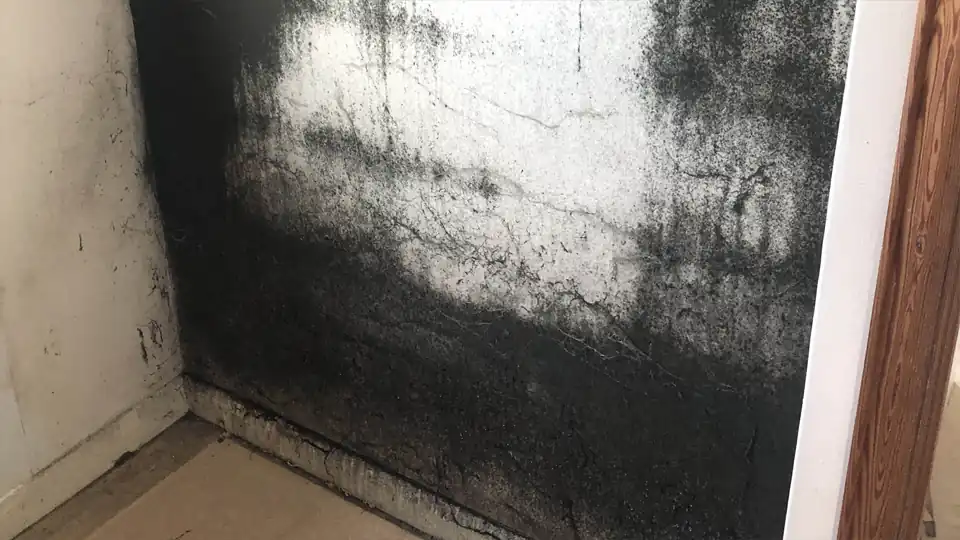
Since October 2025, tenants receive significantly more protection from poor living conditions caused by mould in their social properties. Following the tragic death of 2-year-old Awaab Ishak in 2020 due to mould inhalation in his neglected social home, a new law is being put in place to ensure tenants have the right to request crucial mould assessment and remediation in a timely manner. This is the biggest reform to social housing regulations we’ve seen since 2023. Here’s how this law changes the residential IAQ landscape:
Contents
- Damp, mould, and time limits: what Awaab’s Law covers
- When does Awaab’s Law come into effect?
- What does this mean for landlords?
- Socioeconomic and individual factors can influence health risks
- Our thoughts on Awaab's Law
- Update April 2026: What's changed?
Damp, mould, and time limits: what Awaab’s Law covers
Awaab’s law is an amendment to the Social Housing (Regulation) Act 2023 that introduced new requirements: tenants living in social housing properties have the legal right to a mould assessment visit within 14 calendar days of notification. This means that the property manager – the local council or housing association – must investigate and fix mould issues within 14 days, or even sooner if the mould or damp causes an immediate risk to health. This 14 day time limit ensures mould issues are assessed and fixed promptly, to avoid further unnecessary health effects from mould exposure.
Under the previous legal landscape, protections against dangerous living conditions, like mould, were covered generally, but there was a heated debate around whether those laws actually offered tenants enough protections. As Awaab Ishak’s case demonstrates, many people living in social housing believed that the law failed to protect their health from dangerous living conditions.
This move by the government ensures the safety of tenants by putting more pressure on councils and housing associations to investigate mould reports. Leaving mould to grow in a home can lead to serious respiratory health risks, especially for vulnerable people like young children. Failure to comply with this new law can lead to enforcement actions including fines and penalties.
When does Awaab’s Law come into effect?
Awaab’s law came into effect on the 27th October 2025. Since then, people living in social housing have benefited from more power to have their mould issues sorted within an appropriate time frame. There are also plans for this law to extend to the private rented sector too, so landlords should be preparing for this by cleaning existing damp and mould, fixing sources of moisture, and, where appropriate, installing filtering and dehumidifying equipment early.
What does this mean for landlords?
Landlords, now is the time to get your issues sorted. Although Awaab’s law does not currently affect private landlords, the government plans on extending the law’s reach into private housing as well as social housing.
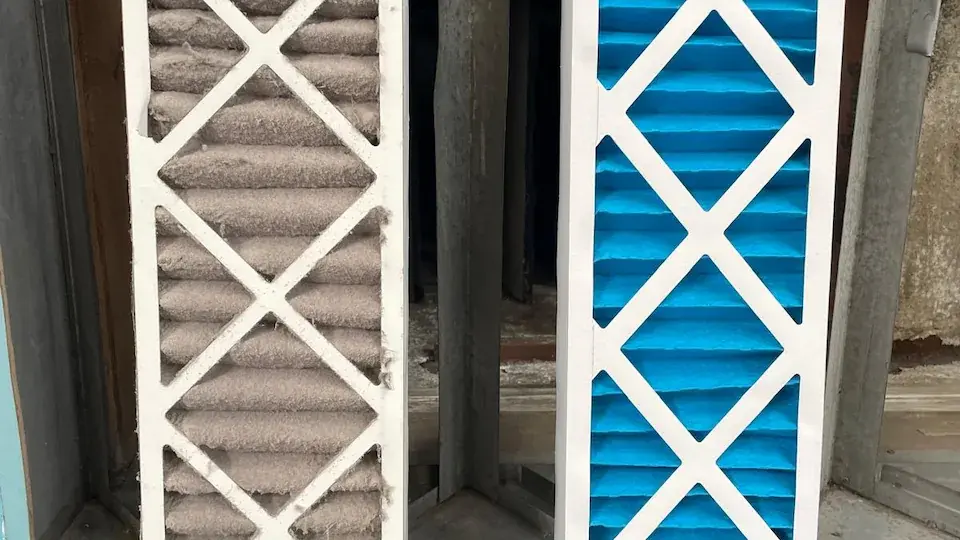
Mould grows in warm, damp conditions and releases spores into the air which can circulate around a house. The best way to remain compliant and avoid making mould-related visits to a property is by remediating the problem as soon as possible. Mould tests and filtration equipment can help you keep mould growths to a minimum (HEPA and Carbon Filtration systems work great to catch mould spores), but professional cleaning is required to properly remove it.
Socioeconomic and individual factors can influence health risks
The link between socioeconomic class and exposure to environmental hazards is both direct and deeply entrenched. Families in lower-income brackets, particularly those relying on social housing, are significantly more likely to live in poorly maintained properties where damp and mould are prevalent. These households often lack the financial resources or social capital to challenge negligent landlords or seek alternative accommodation. Awaab Ishak’s situation shines a spotlight on how socioeconomic disadvantages can intensify health risks.
Personal and exposure risk factors exacerbate this disparity. Children, like Awaab, are especially vulnerable to the health consequences of mould due to their developing lungs and immune systems. For individuals with asthma, allergies, or other pre-existing conditions, continued exposure to damp conditions can result in chronic respiratory problems, hospitalisations, or even death. These risks are heightened when combined with overcrowding, lack of proper ventilation, and delayed landlord intervention -- conditions disproportionately found in low-income housing.
Our thoughts on Awaab's Law
We consider this change to the law a massive win. Many tenants now have the power to fight back against poor living conditions. At ARM Environments, we’ve seen mould grow everywhere you can imagine, but particularly memorable are the cases where vulnerable people are involved, like in hospitals and schools. In these cases, we can’t afford to take any chances; measures to eliminate mould must be decisive and fast.
This law makes high Indoor Environment Quality (IEQ) less negotiable and constrains landlords to act within a reasonable time frame to avoid unnecessary health risks. It’s a refreshing step forward in securing the health of vulnerable people, following the tragic death of another child, Ella Kissi-Debrah, who died at the age of 7 in 2013 due to excessive levels of outdoor air pollution near her home. She was the first person to ever have ‘air pollution’ listed as a cause of death on her death certificate.
With this change to the law, we’re hoping for a societal focus on IEQ and a movement that rejects inadequate air quality. Everyone has the right to clean air, but many disadvantaged people feel that just isn’t realistic. Propelled by a recent focus on ESG scores and sustainability, we’ve seen certifications like BREEAM and Fitwel becoming increasingly popular for new-builds and renovation projects. This is great, as it means we as a society are more careful with the air we breathe everyday, the pollutants we emit, and how all these choices affect our health.
Update April 2026: What's changed?
As of October 27, 2025, the first phase of Awaab’s Law has come into force for social housing providers in England. This has placed increased pressure on landlords to respond to and investigate damp and mould concerns in social housing.
The Regulator of Social Housing has taken a more active role in monitoring compliance, with a stronger emphasis on tenant safety and landlord accountability. This timely shift mirrors CEO Adam Taylor's proposals to introduce a mandatory 'OVK-style' routine ventilation system inspection, written into law and enforced by local councils.
One of the most noticeable shifts since late 2025 has been a rise in tenant reporting of damp and mould issues. Greater media coverage and public awareness have led to more tenants exercising their rights and an increased demand for inspections and surveys. You might've even noticed an advert from the government on this topic. It's much clearer today than it was late last year that tenants have the undeniable right to live in a home free from harmful mould, and they are rightfully requesting these issues to be investigated within the prescribed time frames.
The government has continued signalling its intention to extend similar protections beyond social housing into the private housing sector. For the time being, these proposals remain exactly that: just proposals. However, upon implementation, tenants in private housing will likely receive largely the same rights as those currently living in social housing under Awaab's Law.
With this change looming on the horizon, it's likely we will see a shift in how landlords deal with air quality complaints; instead of responding upon a complaint being filed, landlords may find it cheaper and easier to actually implement preventative strategies (like regular ventilation system checks or air quality surveys) to ensure tenants have an indoor environment that exceeds standards.