What's new in BESA TR19 Air Version 2? 2026
In March 2026, the Building Engineering Services Association (BESA) released a significant update to TR19 Air – 'Specification for Internal Cleanliness and Hygiene Management of Ventilation Systems'. If you're a facilities manager, building owner, HVAC contractor, or compliance officer, this update matters — and here's everything you need to know.
What is TR19 Air?
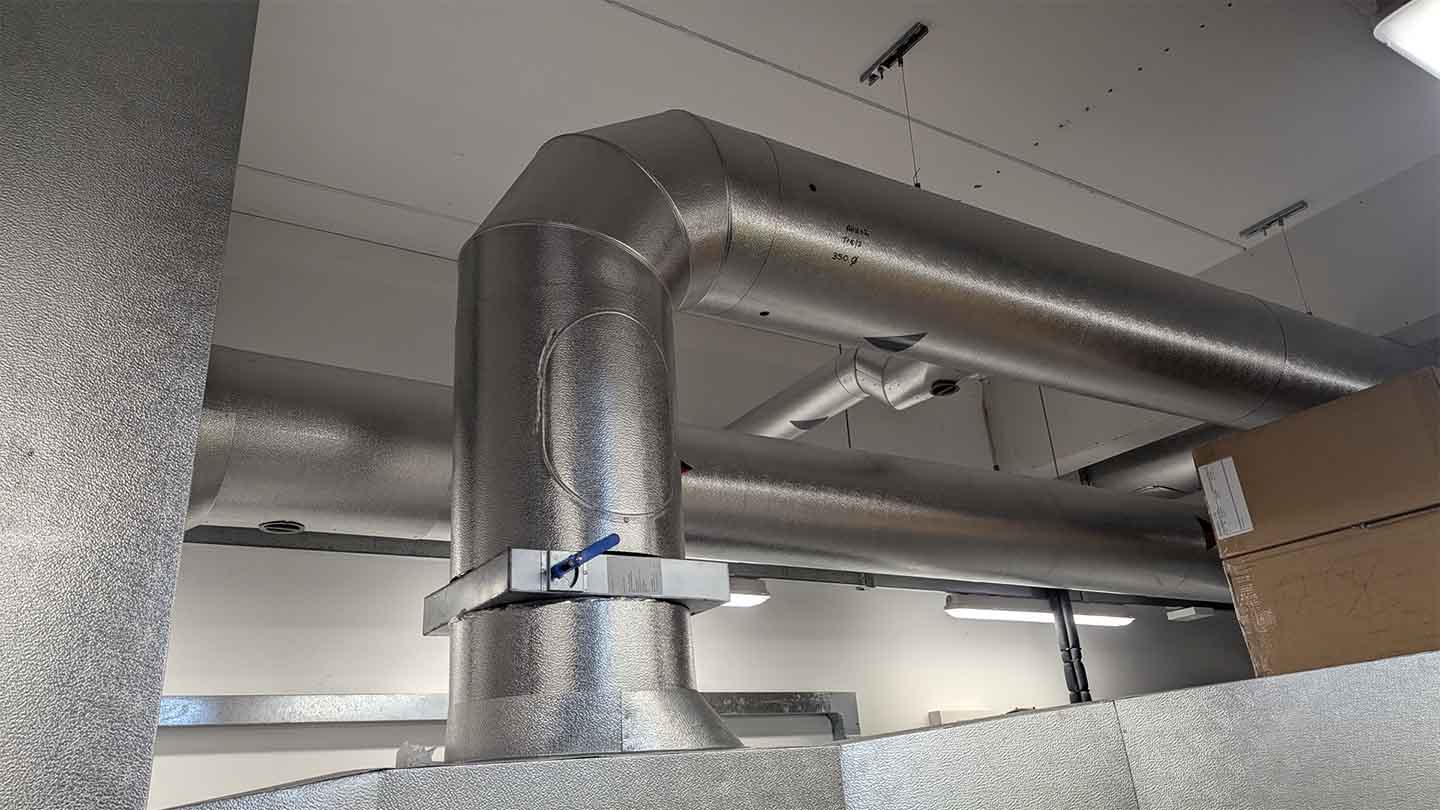
TR19 Air is the UK's recognised industry standard for the internal cleanliness of general ventilation systems. Published by BESA, it provides comprehensive, measurable guidance on the inspection, cleaning, maintenance, and verification of ductwork in commercial and public buildings.
It's particularly critical in settings where air quality directly affects health and safety — hospitals, schools, offices, food preparation facilities, cleanrooms, and other workplaces where occupants depend on clean, uncontaminated air. For the full background on the standard, see our complete guide to TR19 Air.
TR19 Air is a standalone document, distinct from TR19 Grease, which separately covers fire risk management of grease accumulation within kitchen extraction systems.
See our grease cleaning page.
Why TR19 Cleaning Matters
Two goals sit at the heart of TR19 Air: protect occupant health and wellbeing, and enhance building energy efficiency.
As building occupants, employers, and insurers become more aware of the impact of indoor environments on health, this BESA guidance document has become a go-to resource for facilities managers, ventilation hygiene specialists, building owners, and specifiers.
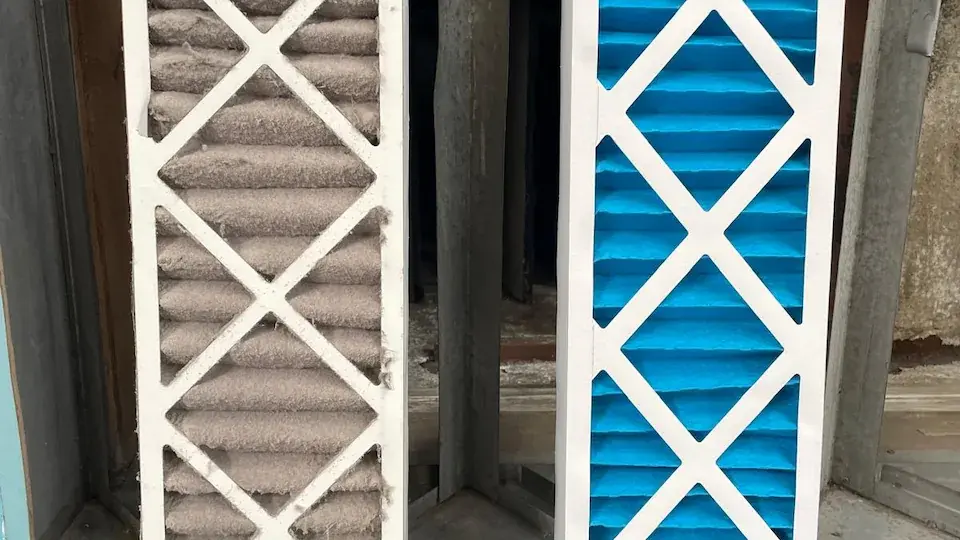
Health and wellbeing: Accumulated dust, mould spores, allergens, and other contaminants within ductwork have been scientifically linked to respiratory issues, allergies, headaches, and fatigue. Properly maintained ventilation systems reduce occupant exposure to harmful airborne particulates — a concern brought sharply into focus by the Covid-19 pandemic.
Energy efficiency: Debris build-up in air ducts forces fans to work harder, increasing energy consumption and accelerating wear and tear. Regular cleaning allows systems to operate more efficiently, reducing running costs and prolonging equipment lifespan — especially relevant as buildings are retrofitted to meet net-zero targets.
See our article: The Ultimate HVAC Energy Savings Guide
Employers and building managers also carry a legal obligation under health and safety regulations to ensure a safe indoor environment. Compliance with TR19 Air helps demonstrate that duty of care to workers, visitors, regulators, and insurers alike.
See our article: Duct Cleaning – UK Laws and Guidelines
A Brief History of TR19
TR19 has a long pedigree. The specification was first developed by BESA in 1991, updated as TR17 in 1998, and evolved into the original TR19 guide — the industry's primary reference for all aspects of ventilation cleanliness.
Following industry demand and pressure from fire officers regarding poorly maintained commercial kitchen extract systems, a separate document — TR19 Grease — was published to address fire risk in kitchen extraction. This freed TR19 Air to focus entirely on the health and hygiene of general ventilation.
The April 2024 release of TR19 Air introduced a more targeted specification aligned with BS EN 15780, BS 40102, and the growing post-pandemic emphasis on indoor air quality. The March 2026 update builds on that foundation with several important additions and changes. For a full timeline of every revision since 2023, see our TR19 Air updates tracker.
Is TR19 Air a Regulatory Requirement?
TR19 is just a guideline. It's an industry standard for good reason, though, as it keeps occupants safe and ensures energy usage doesn't shoot up due to blocked systems. However, conducting TR19 Air Assessments can help to prove that you're meeting your responsibilities under UK laws such as The Health & Safety at Work Act and The Regulatory Reform (Fire Safety) Order. These laws are your responsibility to meet, and TR19 can be a method through which you meet those requirements.
So no, whilst TR19 is not a legal requirement in the UK, it does show that you are actively working to protect your occupants, preventing you from breaching the law in other areas.
What's New in the TR19 Air March 2026 Update?
The following changes are new to the March 2026 edition and represent the most significant updates since the April 2024 release.
1. Ventilation Hygiene Register (VHR) Now Referenced
One of the headline changes is that TR19 Air now formally references the requirements of the Ventilation Hygiene Register (VHR). Inspections are now reportable activities on the VHR. Launching in March 2026, the VHR has expanded its scope to cover general ventilation (TR19 Air) — not just kitchen extract systems (TR19 Grease).
The VHR is the UK's recognised scheme for demonstrating compliance, evidencing technical standards, and gaining business in the ventilation hygiene sector. Think of it as a Gas Safe equivalent for ventilation hygiene — clients can check that a contractor is registered, independently audited, and working to the correct standard.
For building owners and facilities managers, using a VHR-registered contractor for air hygiene works provides documented evidence of compliance and supports duty of care. For contractors, VHR registration signals credibility and technical competence in an increasingly scrutinised market.
See our article on BESA's SKEB framework to learn more about contractor competence.
2. New Section 9 — Post Clean Reporting
The March 2026 edition introduces a brand new dedicated section (Section 9) on Post Clean Reporting. This is a meaningful addition to the standard, formalising what should be provided after a ductwork clean. Section 9 also allows contractors to label outcomes: Full Clean, Partial Clean, Inspection (Outcome "Clean"), and Inspection (Outcome "Not Clean").
Post clean reporting requirements under TR19 Air now include:
- Photographic evidence taken before and after cleaning from consistent positions
- Deposit Thickness Test (DTT) results, showing pre- and post-clean measurements
- A site plan or layout showing which areas were cleaned
- Details of access points used (and those that were inaccessible)
- A Post-Work Verification Report (PWVR) noting the cleaning date, system type, location, and contractor details. Layouts and schematic drawings must also be included
This documentation isn't just good practice — it is increasingly expected by insurers, regulators, and building owners as concrete evidence that cleaning was carried out to a recognised standard. See our guide on how EVT (PVT) dust sampling works for how that evidence is actually generated.
3. Updated to Reflect BS EN 15780 Revisions
TR19 Air has been updated to align with the recently revised BS EN 15780 — the British and European Standard for the cleanliness of ventilation systems. These changes ensure TR19 Air remains consistent with the wider European framework for ductwork cleanliness, providing a coherent reference point for specifiers and contractors working across international projects or procurement frameworks.
4. New Guidance on Ductwork Sensors
For the first time, TR19 Air includes dedicated details on ductwork sensors. While this section is intentionally brief — reflecting the relative newness of the technology — its inclusion signals the direction of travel for the industry.
Ductwork sensors can monitor particulate levels and contamination in real time, enabling more responsive, data-driven maintenance strategies. BESA acknowledges that adoption is expected to grow significantly, and future editions of TR19 Air are likely to expand on this guidance as the technology matures.
Core Recommendations Across Both Editions
Whether you're working with the 2024 or 2026 edition, the following core principles remain central to TR19 Air compliance:
-
Cleaning Standards: The specification defines measurable cleanliness levels for both new and existing ductwork systems, including grilles, diffusers, fans, and associated components.
-
Inspection Frequency: Recommended cleaning and inspection intervals are based on system type, building use, and contamination risk — not a one-size-fits-all schedule. See how often you should clean your air ducts for a full breakdown.
-
Hygiene and Safety: Appropriate PPE, safe working practices, and compliant cleaning agents are required throughout all operations.
-
Verification: After cleaning, a full verification process must be completed and documented — the March 2026 update now standardises this in Section 9.
-
Documentation: Detailed records of all cleaning, inspection, and maintenance activity are essential for demonstrating compliance to regulators, insurers, and building owners.
See our article: 5 Signs You Need to Clean Your Air Ducts
Who Needs to Use TR19 Air?
TR19 cleaning applies to anyone responsible for ventilation system maintenance in commercial and public buildings. This includes:
- Facilities managers and building owners
- HVAC contractors and specialist air hygiene companies
- Consulting engineers and specifiers
- Compliance officers in regulated sectors (healthcare, hospitality, education, food production)
- Insurance risk assessors
Our Services
As experts in air quality and compliance, we offer professional services including ductwork cleaning and fire damper testing, carried out in line with the latest TR19 Air requirements.
If you have any questions about how the March 2026 update affects your building, or you'd like to discuss how to achieve and evidence compliance, get in touch with our team.
See also: A Guide to BS 40102-1:2023 and IEQ