HVAC Cleaning: Maintenance Chore or Energy-Saving Cheat Code?
For years, HVAC cleaning has been pigeonholed as a hygiene tick-box—something facility managers schedule to satisfy compliance or improve air quality. But a shift is underway, transforming this perceived "maintenance chore" into a strategic financial decision.
A study published this year in the journal Energy and Buildings has effectively rewritten the energy efficiency rulebook, providing hard data that connects clean systems directly to massive operational energy savings.
The verdict is clear: professional cleaning is no longer just about dust and compliance; it is a high-impact energy intervention that might effectively pay for itself in the long run.
See our 2026 Energy Savings Guide for HVAC Systems here.
What does research on HVAC energy savings show?
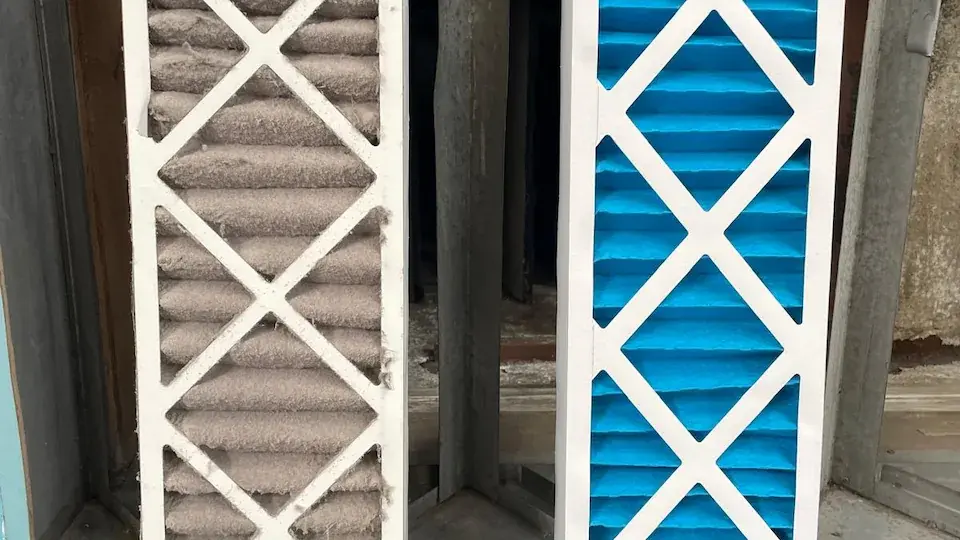
The research, conducted jointly by the University of Colorado-Boulder and the University of Pavia, rigorously tested the impact of full-scale HVAC cleaning across diverse climates. The results were startling. The study found that deep cleaning — specifically addressing the fouling on coils, fans, and ductwork — reduced fan and blower energy consumption by a staggering 41% to 60%. Furthermore, removing the accumulated drag from the system improved supply airflow by up to 46% (and even higher in systems with heavily soiled coils), illustrating that dirty systems are essentially running a marathon while breathing through a straw. HVAC energy conservation isn't always about upgrading to new parts — sometimes all you need is to clean your existing HVAC system.
How does ductwork cleaning improve HVAC energy efficiency?
The researchers discovered that the benefits go beyond simple airflow physics. In modern buildings, dirty systems cause Variable Air Volume (VAV) sensors to erratic "hunting" — constantly opening and closing in a desperate attempt to stabilize airflow. This instability forces fans to ramp up and down aggressively, wasting huge amounts of power. Post-cleaning, the study noted that these components began to operate in sync, "like a symphony orchestra," allowing the system to maintain setpoints with a fraction of the mechanical effort.
What can Building Managers do with these HVAC energy savings tips?
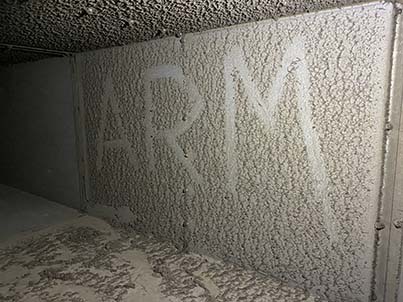
This is the "cheat code" many people will be happy to hear. In a landscape where managers are under immense pressure to cut overheads and hit decarbonization targets, this research validates HVAC cleaning as one of the most cost-effective retrofit strategies available for HVAC energy optimisation. It's a strategy that not only reduces running costs, but actively improves the air quality for everyone inside the space, reducing risk of respiratory harm or even accelerated fire spread in extremely congested ducts.
It offers an ROI that expensive equipment upgrades can only sometimes match. By treating cleaning as an energy project rather than a hygiene cost, you aren’t just improving the air your occupants breathe — you're permanently lowering your monthly utility spend and extending the lifespan of your assets. It's a win-win.
How to get in touch
If you're interested in reducing your energy expenditure and improving your HVAC energy efficiency through an HVAC service, we're the team for the job. Since 2018, we've been helping our clients improve their ventilation systems, reduce costs, and keep people safe.
View our ductwork cleaning service.
Or, get in touch with us directly.
FAQs
Who conducted this study and where can I find the paper?
The citation for the paper can be found here:
Ildiri, N. et al. (2025) ‘Impacts of HVAC cleaning on energy consumption and supply airflow: A multi-climate evaluation’, Energy and Buildings, 328. doi:10.1016/j.enbuild.2024.115147.
And a link to the hosting site can be found here:
https://www.sciencedirect.com/science/article/pii/S0378778824012635
What is HVAC cleaning?
HVAC cleaning is the professional removal of dust, debris, and biological contaminants from heating, ventilation, and air conditioning systems, including coils, fans, heat exchangers, and ductwork. The aim is to restore airflow, improve system performance, and protect indoor air quality. Ductwork cleaning and filter replacements are both key components in keeping your HVAC system clean as dust builds up readily in these sections, eventually restricting airflow and causing pressure drops, energy issues, or other problems.
Does HVAC cleaning really reduce energy consumption?
Yes. Independent academic research has shown that removing fouling from HVAC components can cut fan and blower energy use by 41% to 60%, while improving airflow by up to 46%. These reductions occur because clean systems face less resistance and operate closer to their design efficiency.
How does dirty ductwork increase energy costs?
Contaminated ductwork restricts airflow, forcing fans to run faster and longer to maintain temperature and pressure. This increases electrical demand, accelerates mechanical wear, and causes control systems to overcompensate, all of which raise running costs.
Can HVAC cleaning improve Variable Air Volume (VAV) system performance?
Yes. In dirty systems, VAV sensors often “hunt”, repeatedly opening and closing to stabilise airflow. Cleaning stabilises pressure and flow, allowing dampers and fans to operate smoothly and reducing unnecessary power fluctuations.
What return on investment can building managers expect?
While results vary by system condition, energy savings alone can often recover cleaning costs within one to three years. Additional value comes from extended equipment life, fewer breakdowns, and improved occupant wellbeing.
Who should carry out professional ductwork and HVAC cleaning?
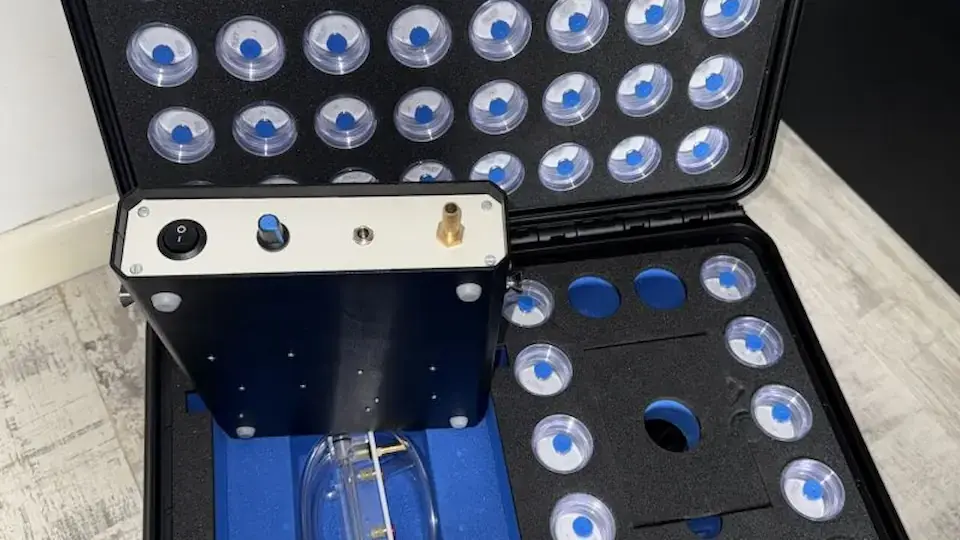
Specialist contractors trained in ventilation hygiene, airflow testing, and system balancing should carry out the work. Proper cleaning requires controlled access, compliant equipment, and post-clean verification to ensure performance gains are achieved.