HVAC Condition Inspection: What You Might Find in Your HVAC Report
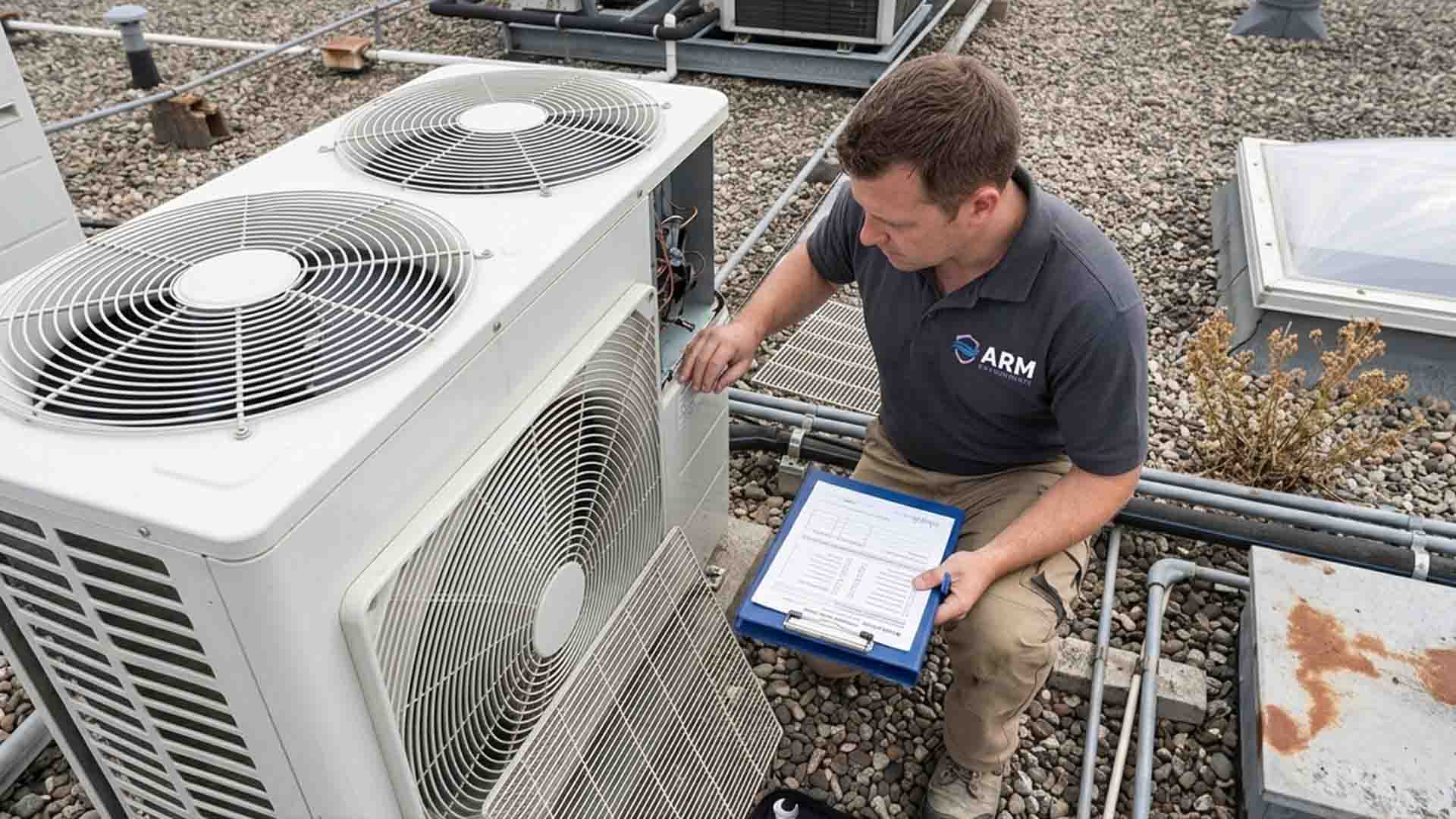
An HVAC condition inspection provides a detailed review of your system’s current performance, safety, and compliance. Whether it’s part of planned preventative maintenance or a pre-purchase building survey, the report gives property owners and facilities managers a clear picture of how their heating, ventilation, and air conditioning systems are operating. Understanding what’s included in the HVAC condition report helps you prioritise repairs, budget effectively, and avoid unexpected failures.
Overall System Condition
Most HVAC inspection reports begin with a summary of the system’s general state. This includes the age of equipment, visible wear and tear, cleanliness, and any obvious signs of deterioration.
Components such as air handling units, ductwork, fans, and condensers are assessed for structural integrity and operational reliability. The report may categorise findings by urgency, highlighting issues that require immediate attention versus those suitable for routine monitoring.
Airflow and Performance Issues
Airflow testing results are often included, identifying whether the system is delivering the correct volume of air to each area. Imbalances, restricted ducts, blocked filters, or faulty dampers can all appear in this section. Poor airflow not only affects comfort but also reduces energy efficiency and places strain on equipment. If your report flags airflow discrepancies, it usually recommends corrective balancing or maintenance work.
Energy Efficiency Concerns
An HVAC condition inspection may identify inefficiencies contributing to higher operating costs. Dirty coils, ageing motors, impacted filters, or outdated controls can all increase energy consumption. The report might include recommendations for upgrades or adjustments that improve system efficiency and reduce long-term expenditure. In commercial environments, this section can be particularly valuable for budgeting and sustainability planning.
Compliance and Safety Observations
Safety and regulatory compliance are key elements of any inspection. The report may note issues such as damaged insulation, electrical faults, inadequate ventilation rates, or non-compliance with current building regulations. In some cases, documentation and maintenance records are reviewed to ensure servicing has been carried out appropriately. Identifying compliance gaps early helps prevent legal risks and operational disruptions.
Recommendations and Next Steps
Finally, your HVAC inspection report will outline recommended actions. These may range from minor HVAC maintenance tasks and filter replacements to more significant repairs or system upgrades. Clear prioritisation allows you to plan remedial works strategically, avoiding reactive repairs that often cost more.
A comprehensive HVAC condition inspection offers far more than a checklist — it provides insight into performance, efficiency, safety, and longevity. By reviewing your report carefully and acting on its recommendations, you can protect your investment, improve indoor air quality, and ensure your system continues to operate reliably.
How to book an HVAC Condition Report
Don’t wait for performance issues or costly breakdowns to disrupt your building — book a comprehensive HVAC condition inspection today. A detailed report will give you practical recommendations, highlight potential risks, and help you plan maintenance with confidence, ensuring your system remains efficient, compliant, and reliable all year round. Talk with the experts at ARM Environments for more details, or view our AHU Condition Report service here.