Air Sampling Methods for WEL Compliance: Monitoring Methods Compared
Ensuring indoor and workplace air quality complies with Workplace Exposure Limits (WELs) is a vital part of occupational health and safety. Effective air sampling helps businesses assess whether hazardous substances, such as dust, chemical vapours, fumes, and gases, are being controlled in accordance with the UK's COSHH regulations.
This blog explains the three main approaches to air sampling (active, passive, and real-time monitoring) and when each is most useful for demonstrating WEL compliance. If you need this done for you, our WEL exposure testing service covers all three methods below.
What Are Workplace Exposure Limits (WELs)?
In Great Britain, WELs are legal exposure limits that set the maximum average concentration of hazardous substances in the air over a specified period, such as an eight-hour shift or a short-term exposure limit (STEL). Monitoring allows employers and safety professionals to verify that control measures (like ventilation, extraction or PPE) are keeping exposures below these thresholds, as required under Control of Substances Hazardous to Health (COSHH).
Active Air Sampling: Accurate, Controlled, and Versatile
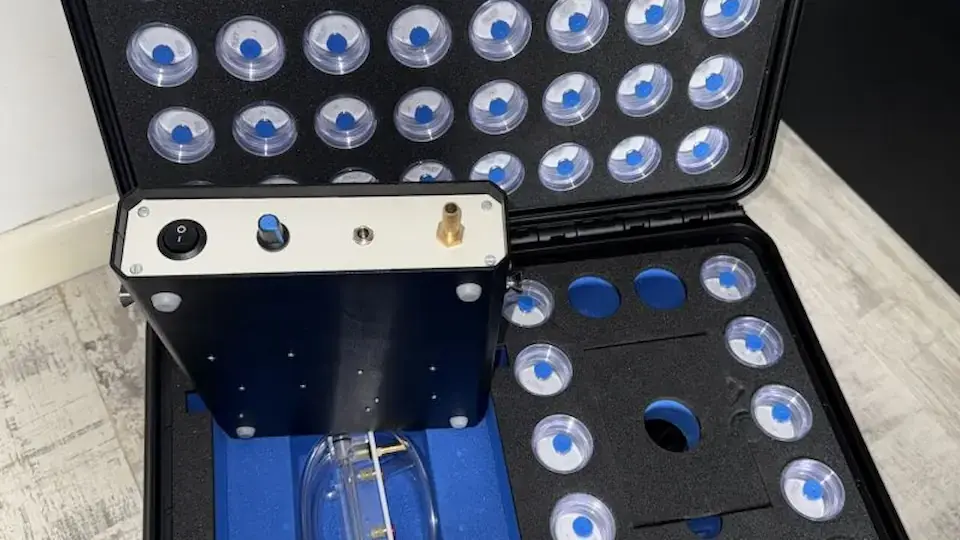
Active sampling is one of the most common air monitoring methods used for WEL compliance. It involves a battery-powered air pump drawing air through a filter, sorbent tube, or other media at a known flow rate so that a precise volume of air can be analysed.
How It Works
- A pump pulls air at a controlled rate through sampling media.
- The collected sample (e.g. particulate on a filter, vapour on a sorbent tube, EVT/PVT capsule sample) is sent to a laboratory for analysis
- Results provide an accurate time-weighted average (TWA) concentration that can be compared directly to a WEL.
Benefits
- Effective way to test whether your Local Exhaust Ventilation (LEV) is capturing fumes and particles properly.
- Highly versatile and suitable for a wide range of contaminants including dust, metals, gases, vapours and welding fumes.
- Accurate quantification makes it ideal for regulatory compliance reports.
- Can be used for both long-term (full-shift) and short-term monitoring.
Limitations
- Requires trained personnel to configure, calibrate and interpret results.
- Sampling pumps and media often need laboratory analysis, which introduces turnaround time and cost.
Passive Air Sampling: Simple, Cost-Effective Screening
Passive sampling (also called diffusive or badge sampling) relies on natural diffusion of contaminants in the air onto a sorbent medium without using a pump. These small devices are typically worn on a worker’s lapel or placed in a fixed location.
How It Works
- A passive sampler absorbs airborne chemicals over time based on diffusion rates.
- After exposure, the sampler is sent to a laboratory for analysis.
- Results represent an average exposure over the sampling period.
Benefits
- Low cost and simple to deploy, making it ideal for large-scale surveys or baseline assessments.
- Lightweight and unobtrusive for personal exposure monitoring.
Limitations
- Generally less accurate than active methods and may be influenced by environmental conditions.
- Not suitable for all contaminants — particulates and highly reactive gases may not be captured effectively.
- Requires longer sampling periods (often hours to days) to build a representative dataset.
This is the same trade-off we cover in more depth in VOC sampling vs real-time monitoring, where passive VOC sampling gives a clear read on composition but misses the day-to-day peaks and troughs that real-time monitoring picks up.
More information on TVOC and VOCs.
Real-Time Monitoring: Instant Insight for Dynamic Workplaces
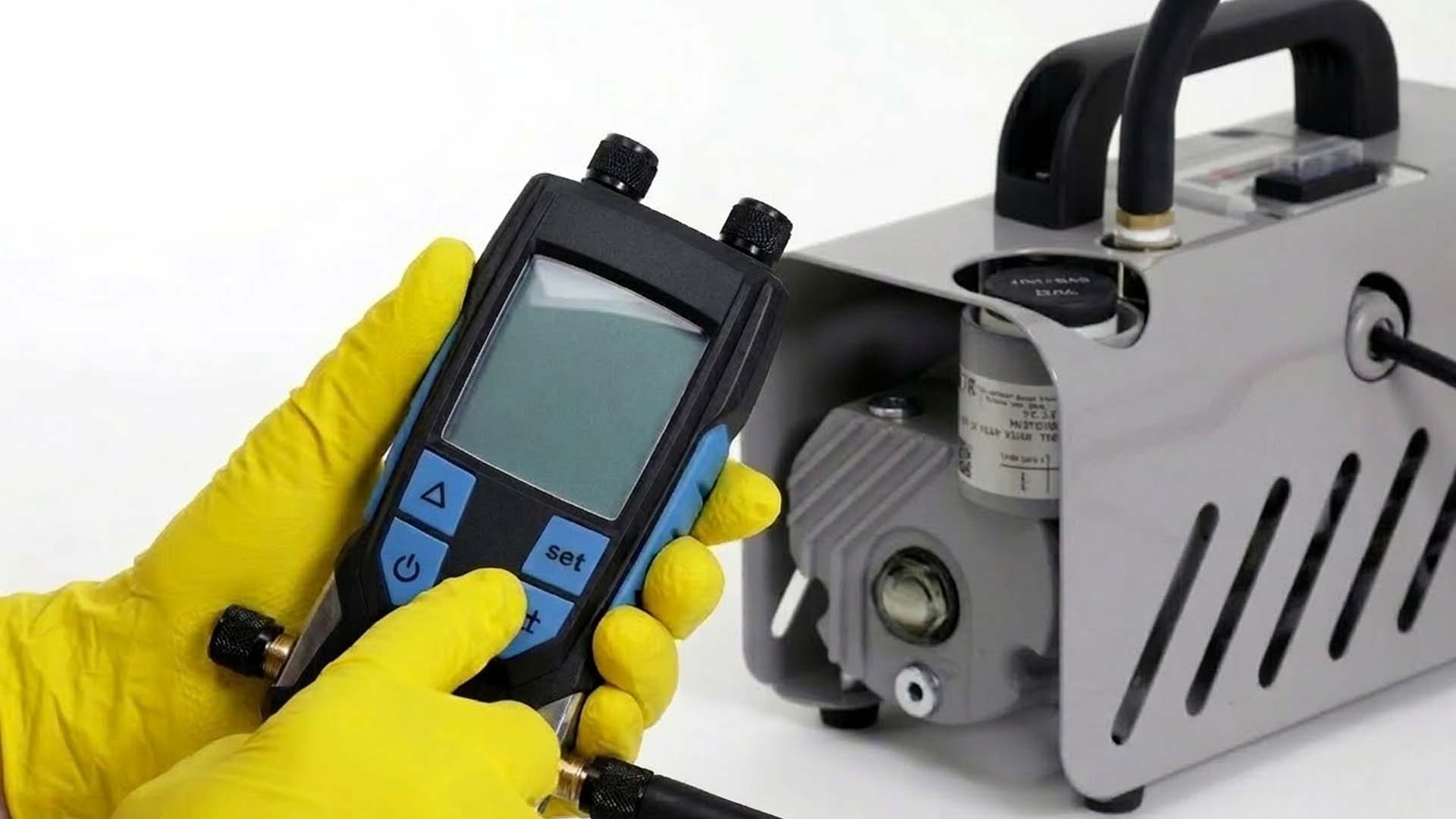
Real-time monitoring uses sensors and direct-reading instruments to continuously measure air quality, often providing instant feedback on the concentration of specific contaminants. This is especially valuable in environments where levels might fluctuate rapidly, like schools or office spaces where CO2 is a concern.
Types of Real-Time Monitoring
- Direct-reading instruments such as handheld gas detectors and laser particle counters.
- Automated fixed systems with continuous data logging and alerts.
- Sensors capable of detecting gases, VOCs, particulates and other pollutants.
Benefits
- Immediate results help identify peak exposures or sudden changes in air quality.
- Useful for screening and hazard identification, and for adjusting control measures quickly.
- Some systems offer integration with building management systems for ongoing oversight.
Limitations
- While excellent for trend analysis and alerts, some real-time technologies may lack the precision of lab-based analysis and might not be accepted for formal compliance demonstration on their own.
Choosing the Right Air Sampling Method
Selecting the appropriate monitoring approach depends on your goals:
- Want to prove compliance with WELs? Active sampling is usually preferred.
- Need to quickly screen multiple areas or workers? Passive samplers can offer a cost-effective overview.
- Need instant data or alerts? Real-time monitoring helps identify problem periods and peak exposures.
Often, a hybrid strategy combining methods yields the most comprehensive understanding of workplace air quality. On site, we typically default to active sampling for the formal WEL compliance record, then bring in real-time monitoring alongside it if a client wants to understand when exposure spikes actually happen, rather than just the shift average.
For more information on indoor pollutants and air quality testing procedures, click here.
Ensuring Safe Air and Legal Compliance
Accurate air sampling and monitoring are key steps in any effective health and safety programme. By understanding the differences between active, passive, and real-time methods, employers and health professionals can better manage airborne risks, demonstrate compliance with COSHH and WEL targets, and protect the wellbeing of workers and occupants.
If you're unsure which method suits your site or need help with air quality plan implementation, get in touch with our team, or read more about our WEL exposure testing service to design a robust air quality assessment strategy for your site.
Ready for a fix? View indoor air quality testing, or indoor air quality monitoring services.
Still researching? Check out our big Guide to Indoor Air Quality Testing.