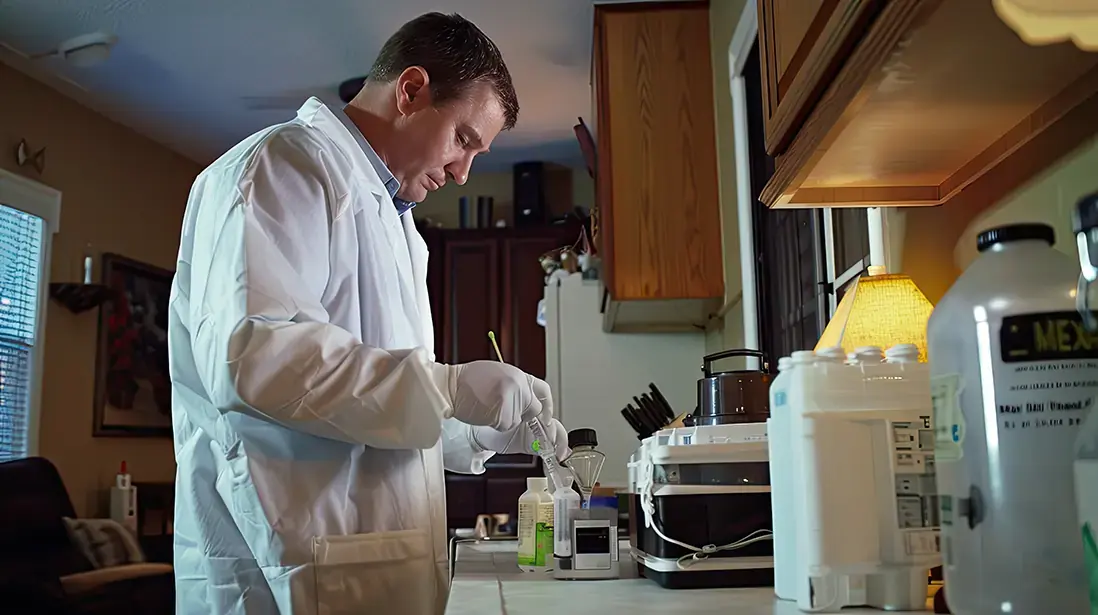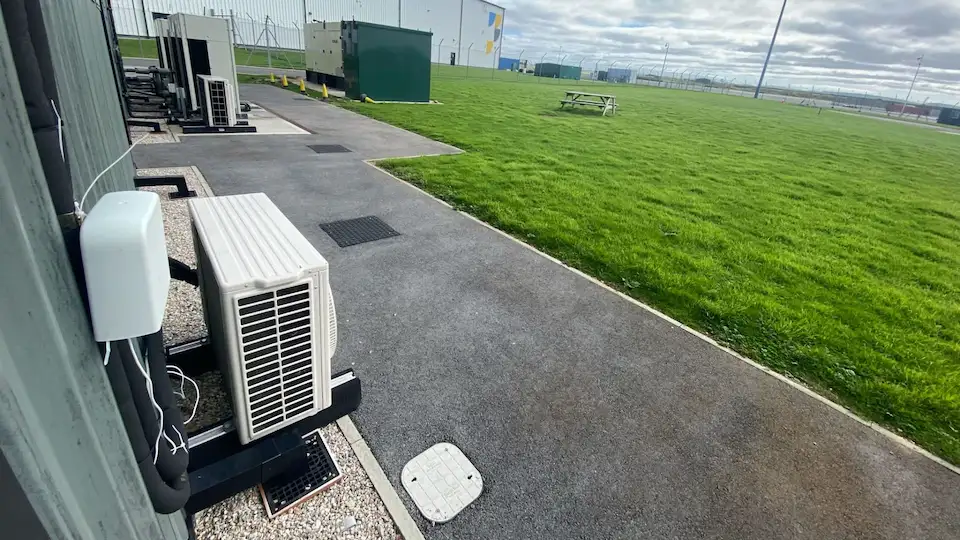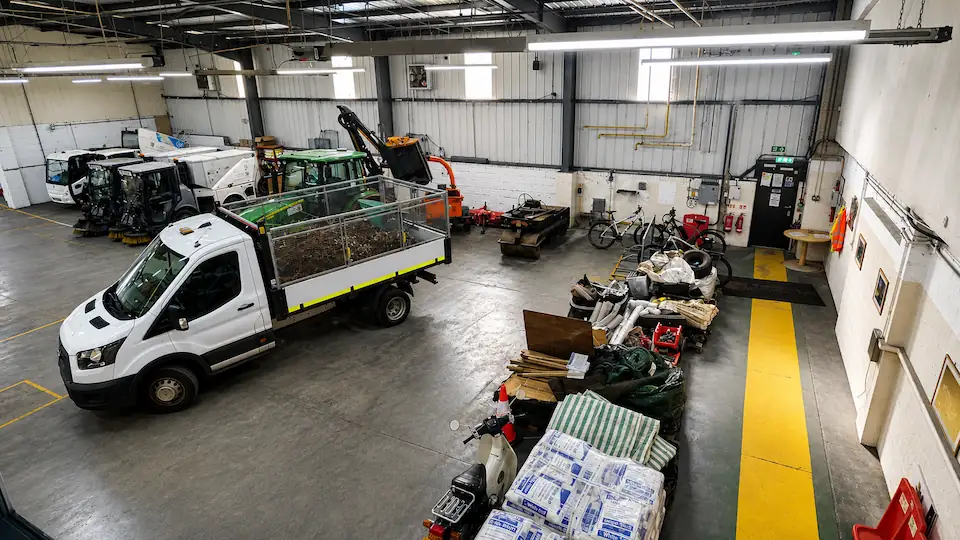

IAQ Monitoring in Retail Store
- Energy Efficiency Improved
- Vehicle Emissions Risk Identified
- TVOCs Monitored
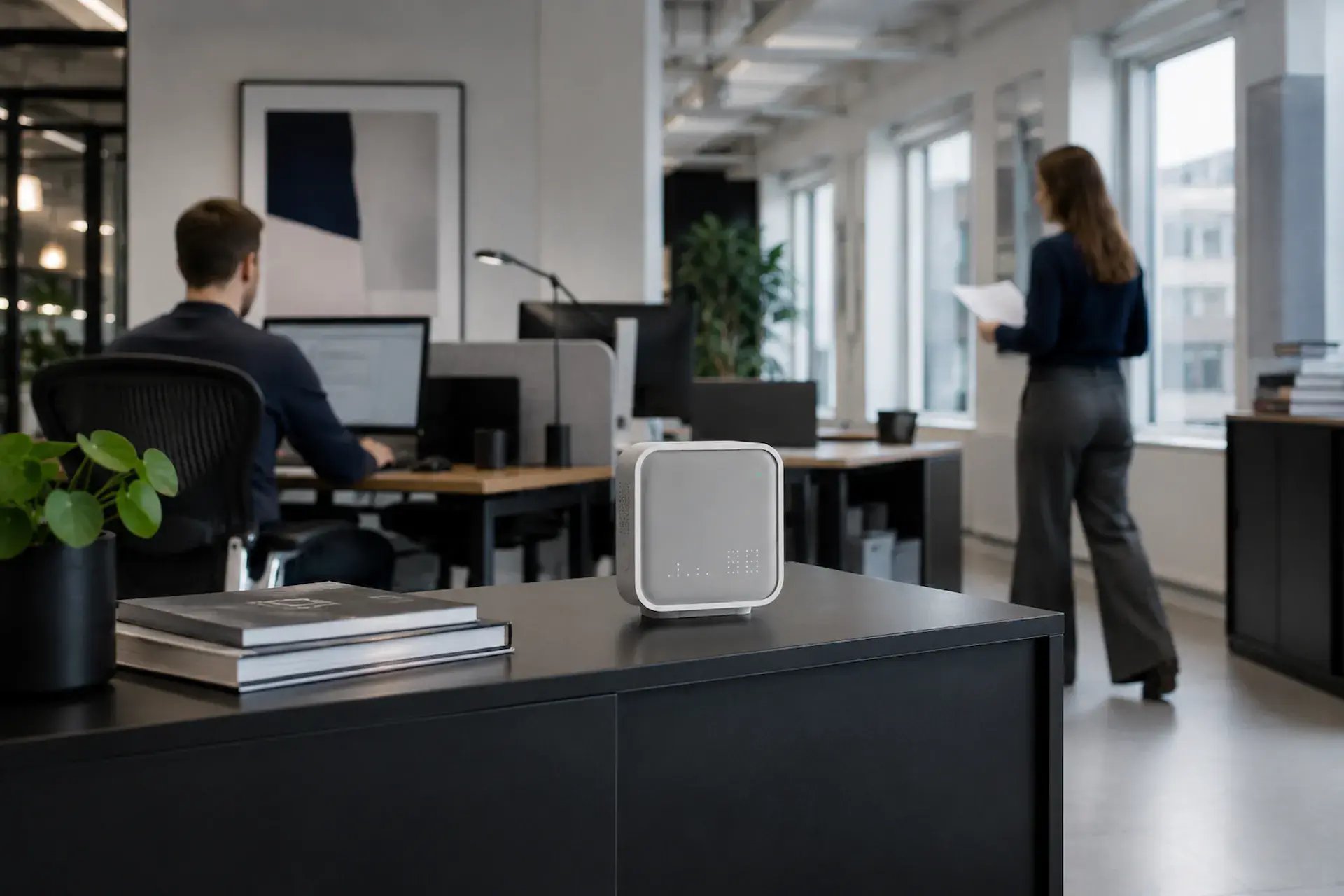
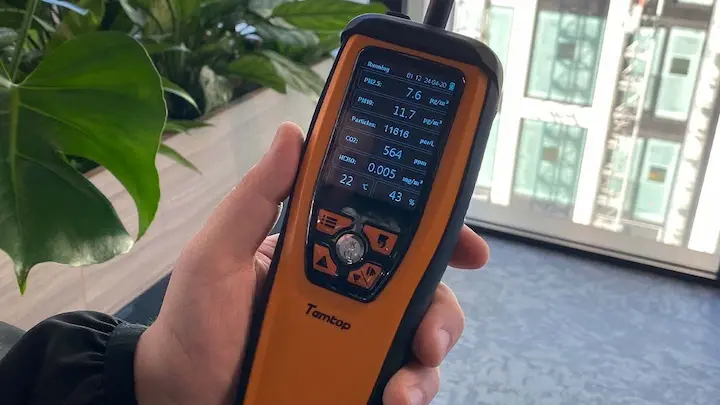
Measure Total Volatile Organic Compound concentrations and detect sources. VOC assessment report included at no added cost to make compliance & certification simple.
Volatile organic compounds (VOCs) are chemicals released from everyday materials like paints, furnishings, cleaning products, and building materials that evaporate into the air at room temperature. People commonly realise they have a VOC problem when lingering smells won't disappear.
Some individual VOCs carry legally enforceable Workplace Exposure Limits (WELs) under COSHH and HSE's EH40 guidance. VOC air testing can also support certification-driven projects where a specific TVOC threshold has to be evidenced before handover.
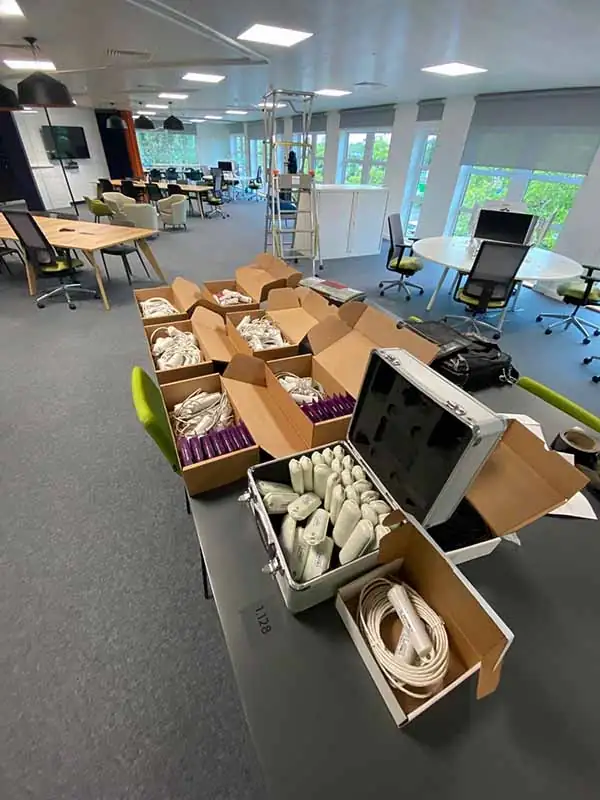
working days are lost to work-related ill health each year
VOC tests are essential for organisations responsible for maintaining safe and healthy indoor environments. Offices, schools, healthcare facilities, residential developments, and commercial buildings can all benefit from VOC testing, particularly following refurbishment works or when occupants report poor air quality symptoms.
Workplace VOC surveying is particularly valuable when investigating indoor air quality complaints, demonstrating compliance with occupational health requirements, or achieving building certifications. Facilities managers, employers, landlords, and developers can use VOC testing to identify contamination sources and implement effective remediation measures before they impact occupant wellbeing.
Get the data without guessing at the cause, and identify any VOC sources with a professional test.
Step 1
Rather than a vague TVOC number, our lab analysis identifies individual VOCs by name and concentration, so you know exactly which VOCs are present.

Step 2
Our pollutant experts interpret the compound profile alongside a site walkthrough to identify likely sources: new materials, cleaning regimes, or something else entirely.

Step 3
A tailored VOC report with practical recommendations, such as an extended flush-out period, a change in materials, or long-term monitoring where levels must be tracked over time.
VOC testing typically uses either active sampling (an air pump used on-site for up to a few hours) or passive sampling (where a diffusion tube sits in place for several days to capture an average). Samples go to an accredited lab, which identifies individual compounds rather than one blended figure, so results can be checked against a Workplace Exposure Limit (WEL).
WELs have two forms: a short-term exposure limit (STEL), averaged over 15 minutes to catch acute spikes, and a long-term exposure limit (LTEL), averaged over 8 hours for sustained exposure. The right method depends on which one you're investigating.
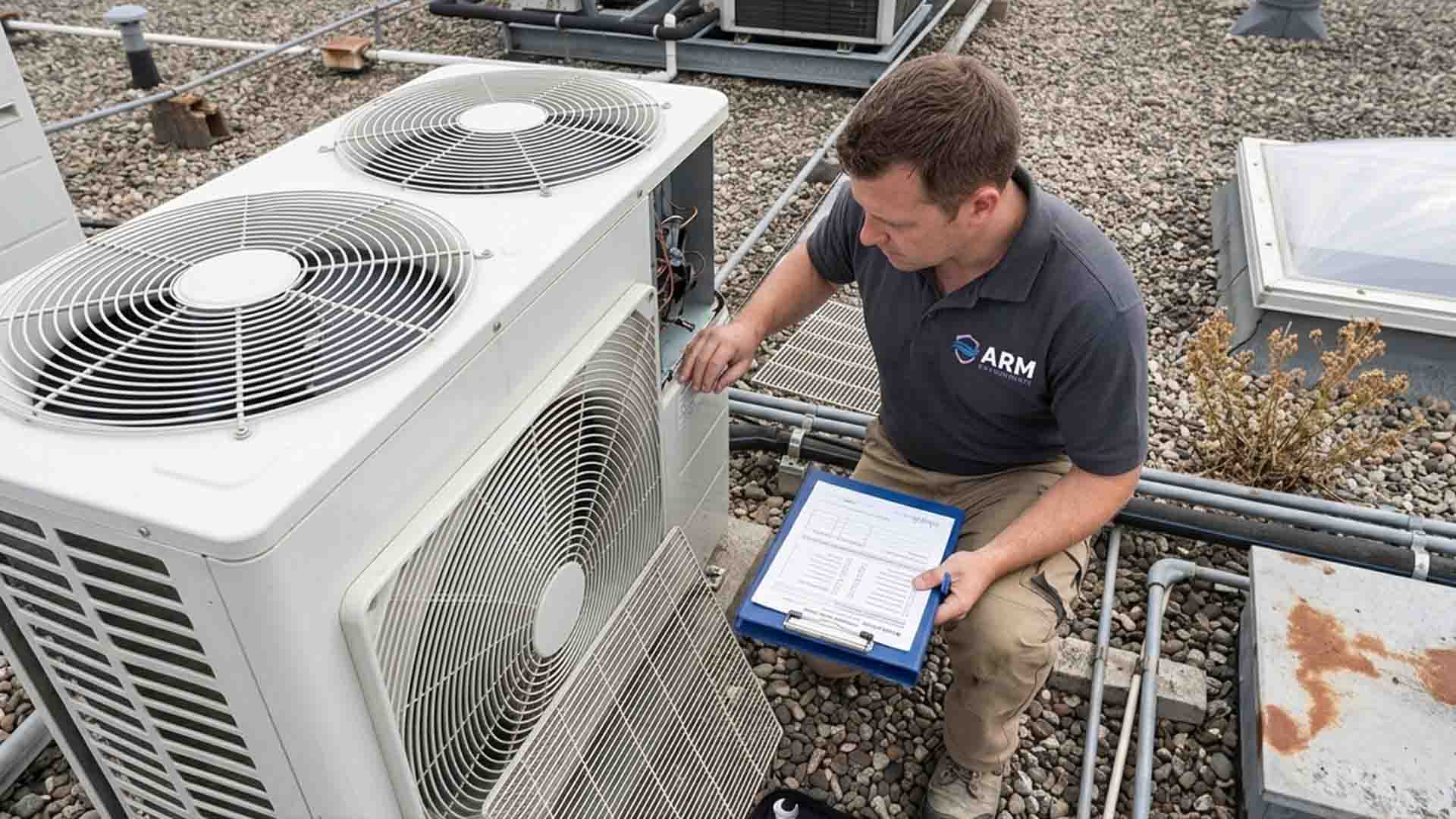
UK manufacturers in the industrial sector have specific legal obligations for indoor air quality and ventilation. We help facilities managers understand compliance requirements and implement practical solutions.
A persistent chemical smell almost always means elevated VOC concentrations. The most common causes are recently fitted materials (paint, flooring, furniture, adhesives) off-gassing, cleaning and disinfectant products, or inadequate ventilation allowing VOCs to accumulate. Testing identifies the specific compounds present and their likely source, rather than leaving you to guess.
We can use a variety of different sampling techniques depending on your requirements, such as active sampling, passive sampling, or long-term air quality monitoring — all of which are useful in different circumstances.
Samples are sent to an accredited lab for professional analysis where requested. Accurate individual VOC measurements will then be included in a post-VOC assessment report.
A TVOC monitor gives a useful, real-time indication that VOC levels are elevated, but it can't tell you which specific compounds are present — it blends everything into one number. A laboratory VOC test identifies and quantifies each compound individually, which is what's needed to benchmark against a specific exposure limit or diagnose a source. We often recommend both: a monitor for ongoing tracking, a lab test for diagnosis.
Yes. Common short-term symptoms include headaches, dizziness, nausea, and irritation of the eyes, nose, and throat, particularly during or shortly after activities that release higher concentrations. Some individual VOCs, such as benzene, are recognised carcinogens with long-term exposure risks, which is why they carry specific legal exposure limits. If staff or occupants report symptoms that improve away from the building, it's worth investigating promptly.
ARM Environments are well-versed in testing and monitoring pollutants such as:
Formaldehyde
Styrene
Xylene
Benzaldehyde
Acetone
BTEX compounds
Toluene
Ethylbenzene
Alcohols
Industrial solvents
Cleaning chemical emissions
If you're worried about a certain pollutant in your space or you're looking to confirm whether your space is healthy to live or work in, we can help you identify indoor pollutants, their sources, and how best to remediate any problems.
Yes, ARM Environments are highly experienced in testing refurbished spaces and commercial offices for TVOCs.
As part of a BREEAM assessment, we conducted VOC surveys for a client in central London who were in the middle of a fit-out, resulting in high TVOC measurements.
+44 (0)1722 710312
22 High St, Alderbury, Salisbury SP5 3DU