IAQ Monitoring in Retail Store
- Energy Efficiency Improved
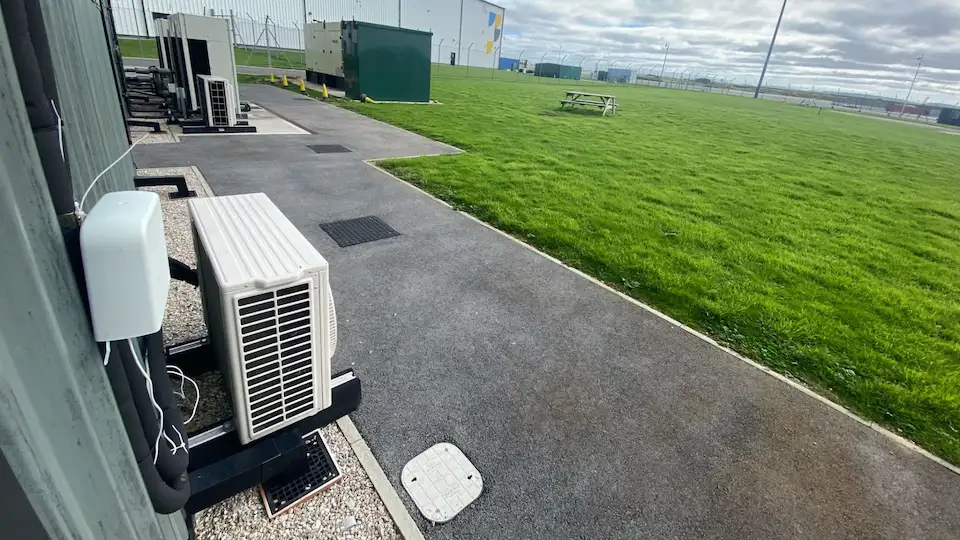
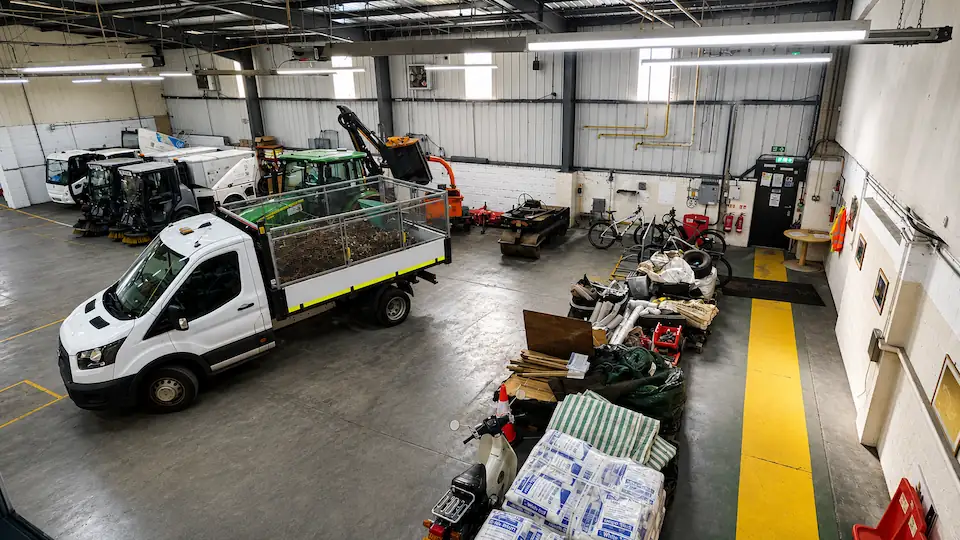
- Vehicle Emissions Risk Identified
- TVOCs Monitored

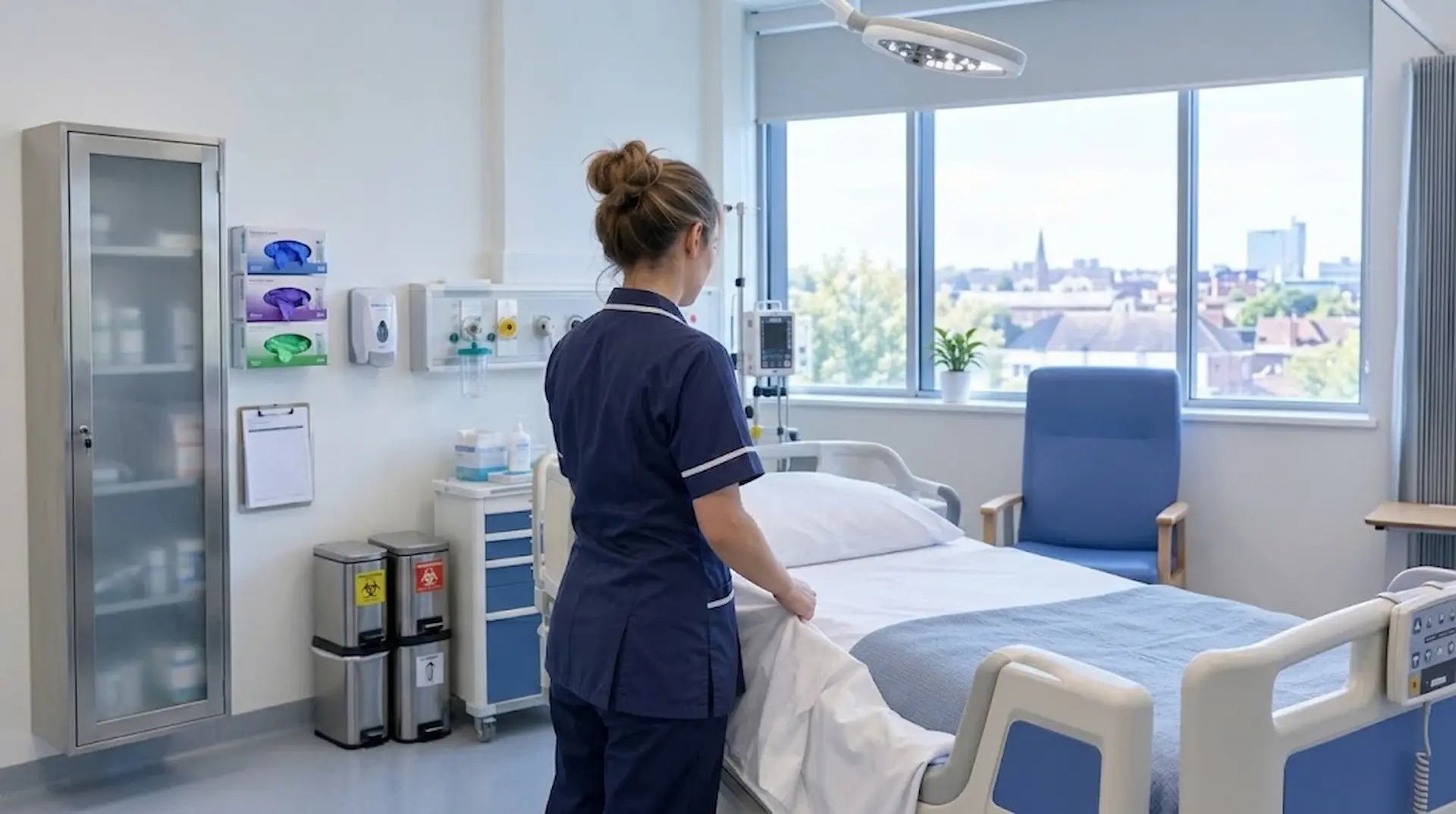
Measure staff exposure to nitrous oxide (N₂O) and Entonox (Gas and air), compare it with the workplace exposure limit, and receive a clear report with practical next steps.




Nitrous oxide testing measures how much of the gas your staff breathe in over a working shift and compares the result with the workplace exposure limit (WEL) of 100 ppm, averaged over eight hours.
Nitrous oxide (N₂O) is the anaesthetic gas known as laughing gas, and the main ingredient of "gas and air" more commonly referred to in clinical settings as Entonox. It is invisible and has only a faint sweet smell, so your nose is no guide to whether exposure is within limits.
HSE guidance says every space where nitrous oxide is used should have a COSHH risk assessment, and that exposure monitoring may be appropriate, carried out by a competent person. Our testing gives you the measured data that assessment needs.

 Step 1
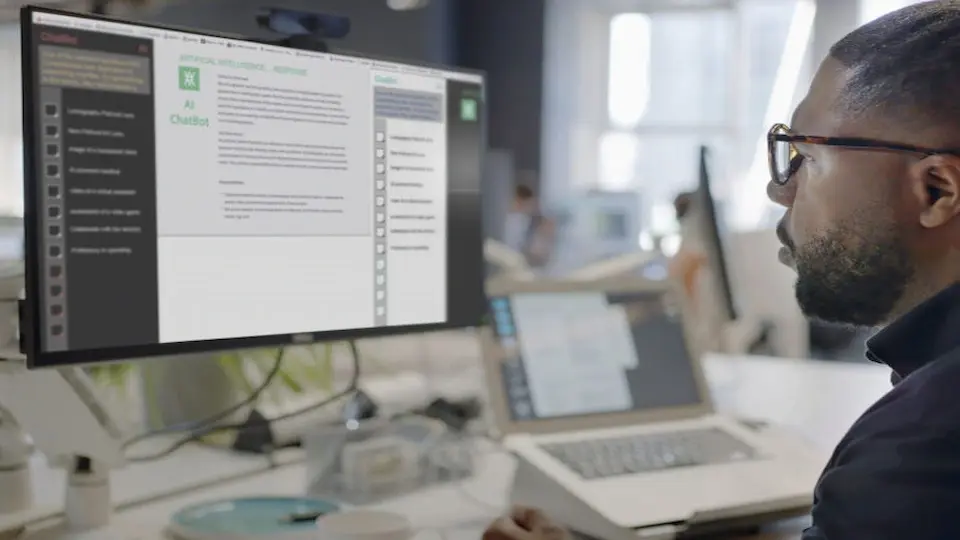
Staff wear a monitor through their shift, so results reflect what they actually breathe in rather than just what is in the room. Results are compared directly with the eight-hour WEL.
 Step 2
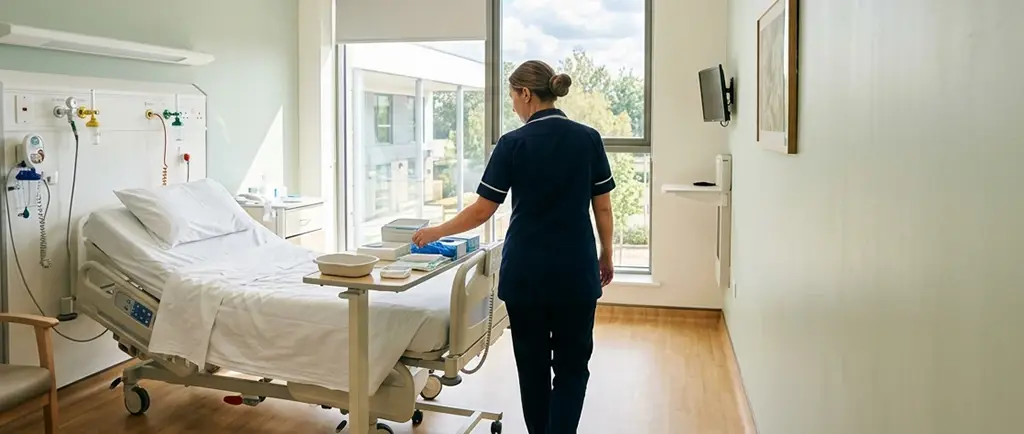
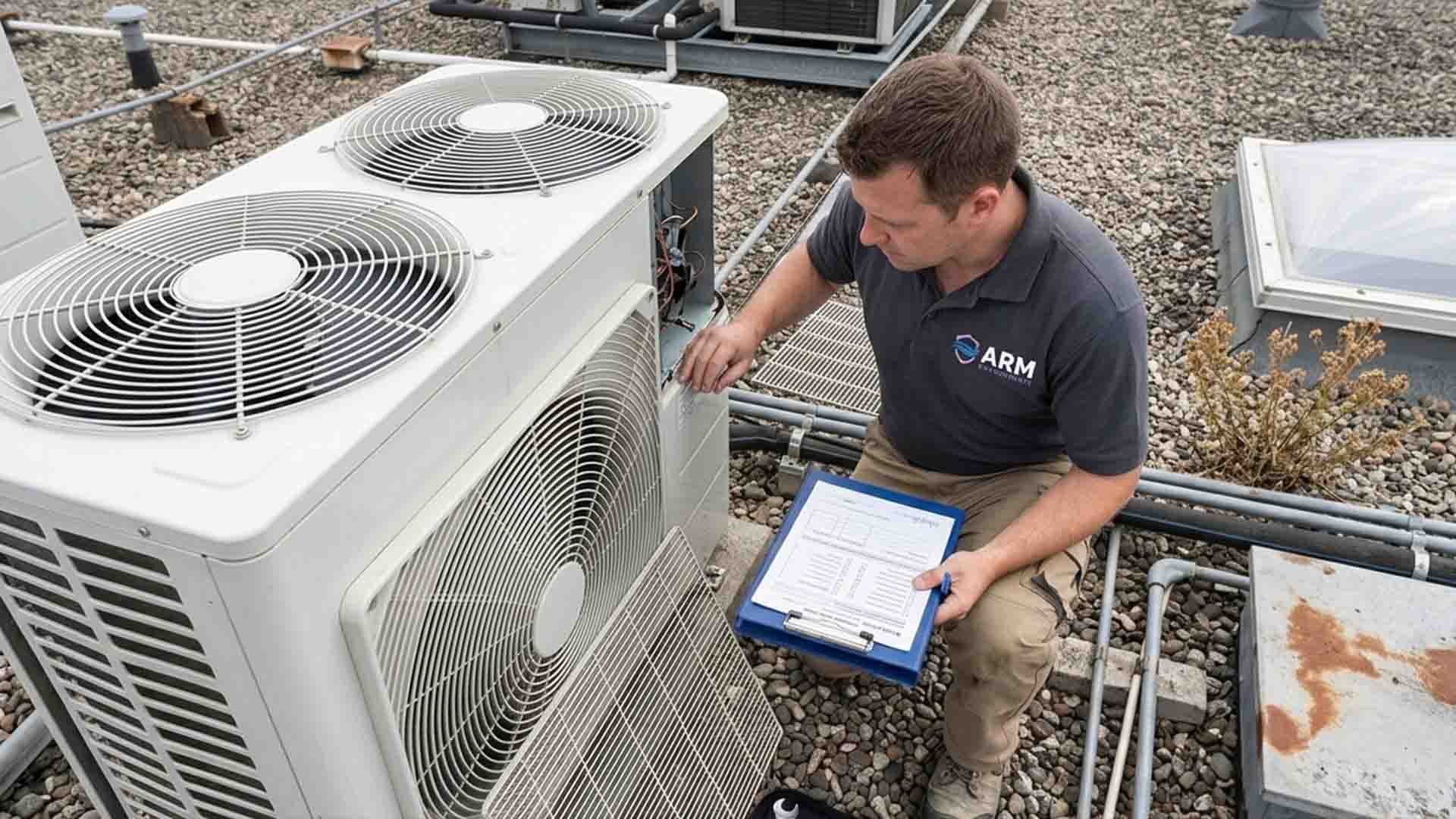
Our engineers look at how the room is used, how air moves through it, whether extraction or scavenging is working, and whether pipework or equipment could be leaking. HSE guidance asks for this kind of context to be recorded alongside every sample, such as procedure numbers and who was in the room.
 Step 3
A tailored report with the results, what they mean and practical recommendations. That might be a ventilation improvement, a fix to extraction or scavenging, a change in working practice, or ongoing monitoring where levels need to be tracked.
Nitrous oxide testing combines personal monitoring (a device worn by a member of staff) with area monitoring (a device placed in the room), run across a representative period and compared with the 100 ppm eight-hour limit.
We use both because exposure is rarely even. HSE guidance notes that exposure in a maternity department varies from day to day and week to week, so a single short sample can be misleading. Sampling across busy and quiet periods gives a result you can rely on.
Because the WEL is an eight-hour average, results describe the whole shift rather than a single moment. We record the context for each sample so that high readings can be traced back to a cause.
UK manufacturers in the industrial sector have specific legal obligations for indoor air quality and ventilation. We help facilities managers understand compliance requirements and implement practical solutions.
Employers must assess and control exposure to substances hazardous to health under COSHH. Nitrous oxide has a WEL listed in EH40/2005, so it is in scope wherever staff are exposed to it.
HSE guidance for maternity units sets out what good looks like: a COSHH risk assessment of each space where gas and air is used, a management system for controlling exposure, and a plan for what happens if monitoring shows exposure needs to come down. We help estates and facilities teams put the measured evidence behind that system.

We don't only measure nitrous oxide. We look at why it is building up in a room and what will fix it. ARM offers specialist wearable and ambient monitoring, paired with ventilation strategies, so the report you receive finishes with actions rather than just numbers.
Our engineers are SafeContractor certified and BESA affiliated, and our CEO Adam Taylor chairs the BESA Indoor Air Quality Group. We regularly work in healthcare settings and understand the access, infection control and out-of-hours constraints that come with them.


+44 (0)1722 710312
22 High St, Alderbury, Salisbury SP5 3DU