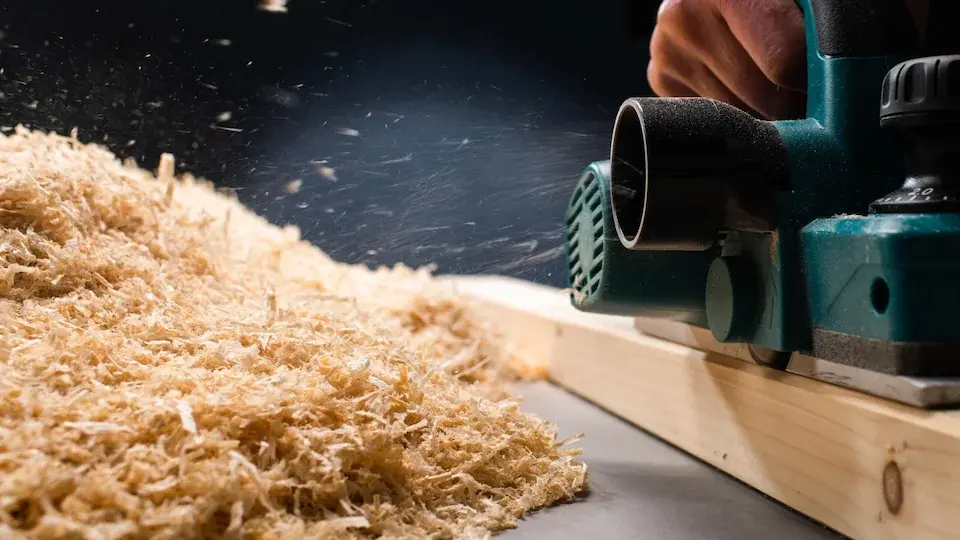
Wood dust

Wood Dust WEL Testing

Measure wood dust exposure against the HSE workplace exposure limits of 3 mg/m³ for hardwood and MDF dust and 5 mg/m³ for softwood dust, and get a clear report with practical next steps.

Accredited By
Awards From
ASHRAE Technology Award
HVR Awards 2023
H&V News Awards 2021
Post-Assessment Report & Breakdown
Quick Response & Fast Turnaround
BESA & SafeContractor Accredited

What is wood dust WEL testing?

Wood dust WEL testing measures how much wood dust a worker breathes in during a shift and compares it with the UK workplace exposure limits (WELs): 3 mg/m³ for hardwood dust and 5 mg/m³ for softwood dust, each averaged over 8 hours. Where hardwood and softwood dusts are mixed, the 3 mg/m³ hardwood limit applies to all of the wood dust present. The limits are published in HSE's EH40/2005 and apply under COSHH, the Control of Substances Hazardous to Health Regulations. ARM Environments takes personal air samples on site and reports the results against the relevant limit, with practical recommendations on controls.


When woodworking dust is released, the finest fraction stays airborne long after the visible cloud has settled. A dusty workshop is a warning sign, not a measurement.
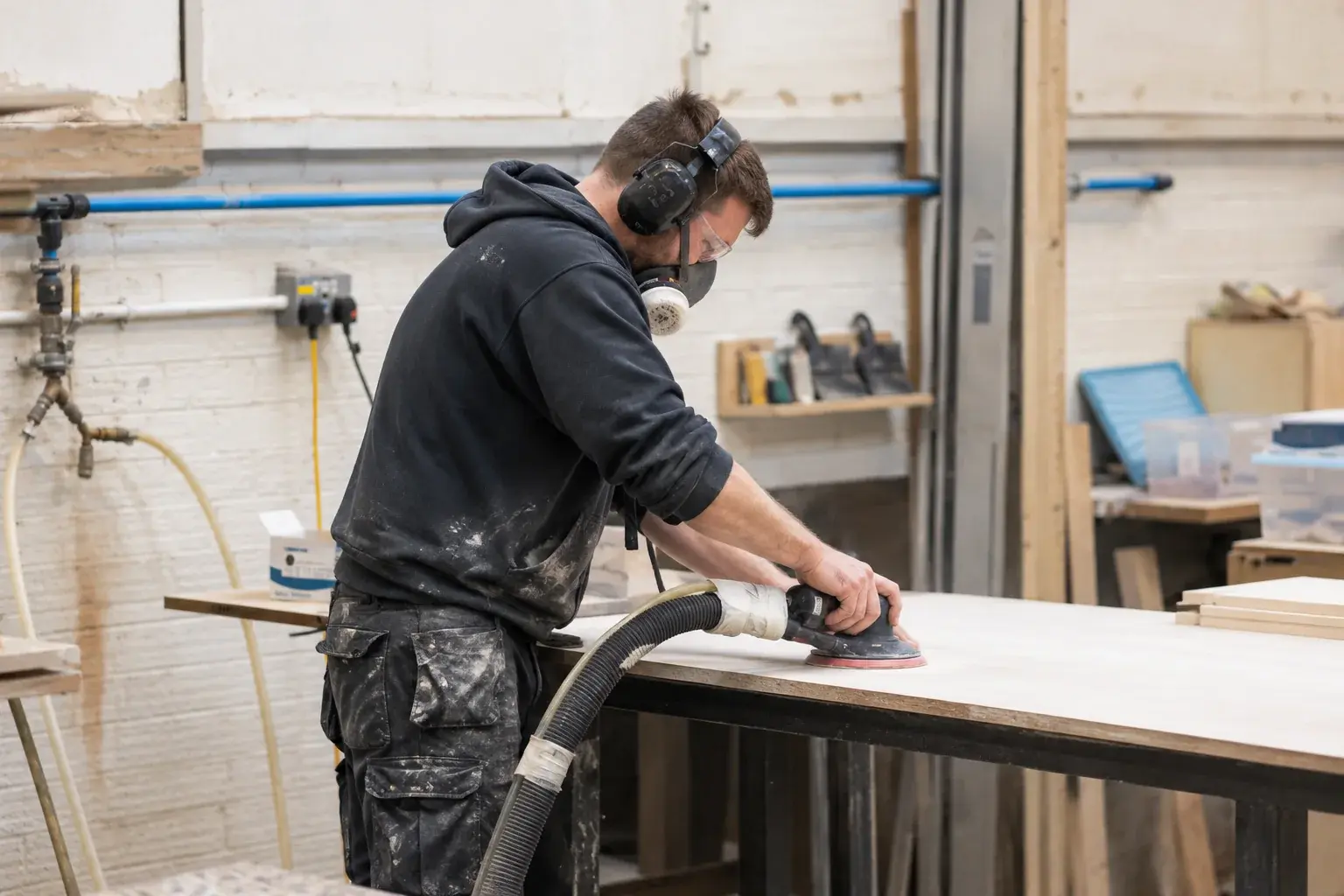

Woodworking and producing wood dust wel

Wood dust description in EH40/2005


Substance

Wood dust: hardwood dust, softwood dust and mixed wood dusts, including dust from MDF and other composite boards

Long-term limit (8-hour TWA)

Hardwood dust: 3 mg/m³, inhalable fraction. Softwood dust: 5 mg/m³, inhalable fraction. Mixed hardwood and softwood dust: 3 mg/m³ applies to all of the wood dust present

Short-term limit (15 minutes)

None listed. EH40 recommends three times the long-term limit as a guideline for controlling short-term peaks (9 mg/m³ for hardwood dust, 15 mg/m³ for softwood dust)

Notation

Sen: respiratory sensitiser, can cause occupational asthma. Carc: hardwood dust can cause cancer, particularly of the nose

Source

HSE EH40/2005, Table 1

What it means

Exposure must stay below the relevant WEL and be reduced as low as is reasonably practicable. HSE's wood dust guidance sets this out as the test for adequate control


Work-related illness UK statistics

1.9m

workers suffer from work-related ill health in Great Britain

11,000

new cases of occupational lung disease are reported annually

40m

working days are lost to work-related ill health each year

Who needs wood dust WEL testing?

Any employer whose work saws, sands, planes, routs or machines timber or wood-based boards should know what their workers are actually breathing in. That includes joinery and carpentry workshops, furniture and kitchen manufacturers, sawmills and timber yards, pallet and packaging makers, shopfitters, CNC routing operations, panel and MDF processors, and school and college design and technology workshops.


COSHH requires employers to prevent or control exposure to hazardous substances, and wood dust is one of them. Air monitoring is how you evidence that exposure is below the WEL, and it shows whether your extraction and housekeeping are doing the job you think they are.

Where wood dust testing matters most:

  • Sanding, sawing, routing, and CNC machining
  • Working with hardwood, softwood and MDF
  • Dry sweeping and compressed air cleaning
  • Emptying dust extraction units
  • Sawmills, timber yards and wood recycling sites
  • Mixing hard wood and softwood dust

Sanding, sawing or machining wood or MDF?

Measure exposure rather than assume it. Get the data, and a clear view of what to fix first.

Do you need a COSHH assessment for wood dust?

Yes. COSHH applies wherever work creates wood dust that employees could breathe in, and the wood dust risk assessment has to identify the controls needed. Air monitoring supports that COSHH assessment by showing what exposure really is, instead of what you estimate it to be.


Under COSHH, control of wood dust is adequate only if the principles of good control practice are applied, exposure is below the relevant WEL, and exposure is reduced as low as is reasonably practicable. Meeting the 3 mg/m³ or 5 mg/m³ figure is therefore the minimum, not the finish line. HSE also expects health surveillance for workers who may breathe in wood dust, because it is a respiratory sensitiser.

Silica dust coshh assessment

What wood dust WEL testing delivers

  1. Personal wood dust exposure sampling in the breathing zone Step 1

    Personal exposure data

    Samples are taken in the breathing zone of workers, then reported as an 8-hour time-weighted average (TWA) against the 3 mg/m³ hardwood or 5 mg/m³ softwood limit.

  2. Reviewing wood dust wel data against eh40/2005 limits Step 2

    Task and control review

    We look at which tasks generate the woodworking dust and whether it's being properly controlled and extracted, so results can be traced back to specific machines, tasks and wood species.
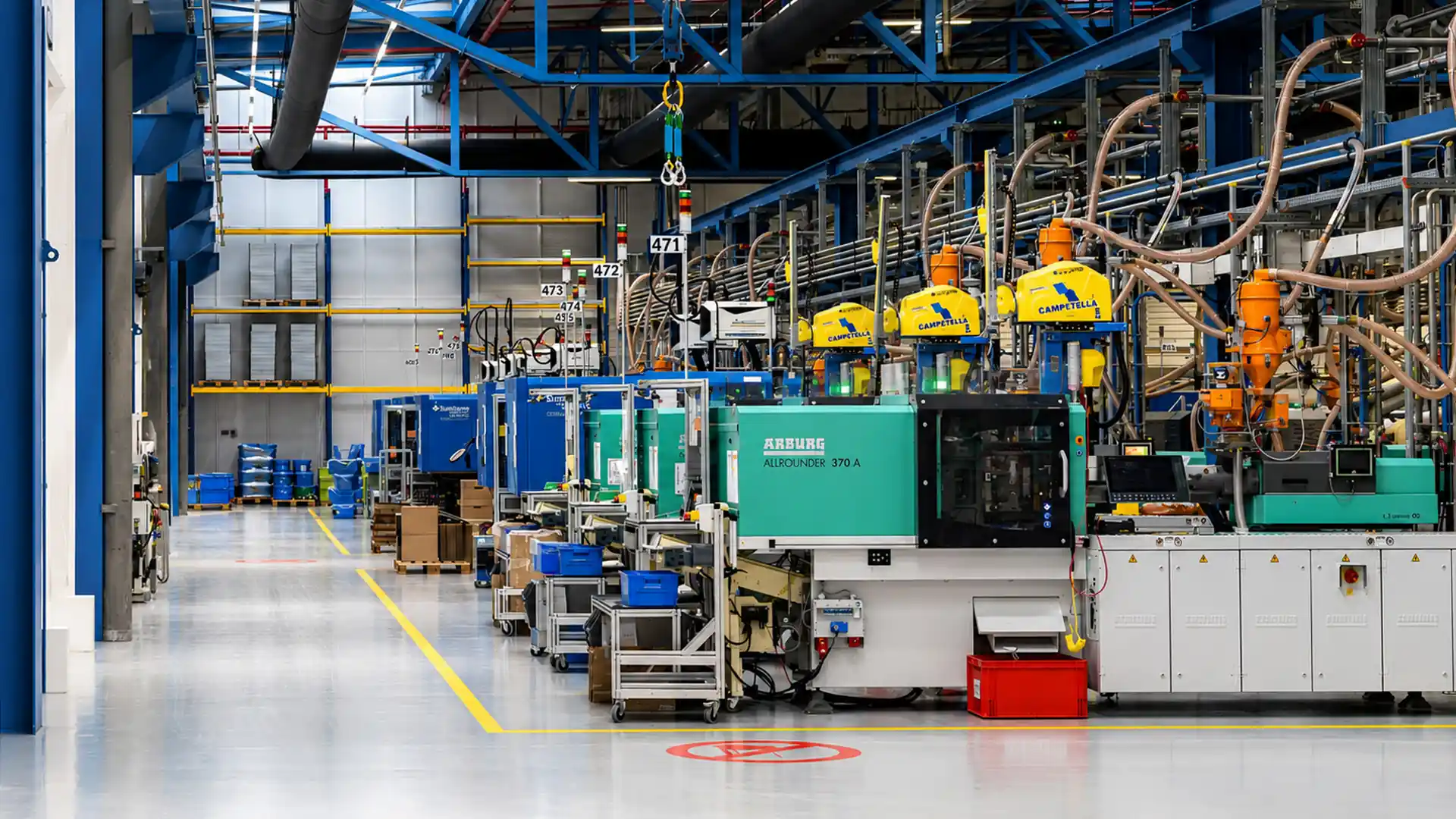
  3. Industrial woodworking setting with controlled dust levels Step 3

    A clear next step

    A tailored report with results against the WEL, the calculation behind them, and practical recommendations such as improved extraction, better cleaning methods, RPE selection where needed, and re-testing after changes.

How is wood dust testing carried out?

Wood dust testing uses personal air sampling. The employee wears a small pump that draws air through a sampling head designed to collect the inhalable dust fraction, usually across a full shift or a representative part of it. The filter is then weighed in the laboratory (gravimetric analysis), and the result is calculated as an 8-hour TWA against the hardwood or softwood limit.


We can also deploy a range of monitors and sensors to remotely view the overall air quality and ventilation effectiveness in the building.

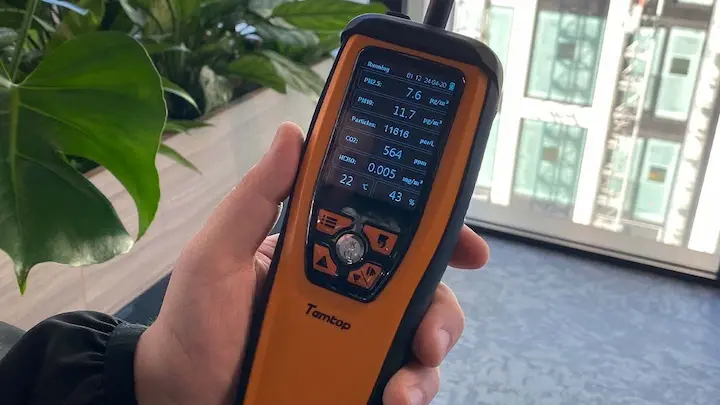
Handheld air quality monitor

Relevant Case Studies

IAQ Monitoring in Retail Store

  • ✓ Energy Efficiency Improved
  • ✓ Vehicle Emissions Risk Identified
  • ✓ TVOCs Monitored

Newquay Office TVOC Testing

  • ✓ Odour Complaint from Local Airport Fumes
  • ✓ VOC Types Identified
  • ✓ Solutions Provided

Wiltshire Vehicle Depot IAQ Monitoring

  • ✓ Two Sampling Types Deployed
  • ✓ Airflow Rates Professionally Measured
  • ✓ High TVOC Issue Identified

Understanding your responsibilities under COSHH and EH40

Employers must prevent or control exposure to hazardous substances under COSHH. For wood dust, that means keeping exposure below the WEL, applying the principles of good control practice and reducing exposure as low as is reasonably practicable, because hardwood dust is a carcinogen and all wood dust is a respiratory sensitiser. HSE's guidance, Wood dust: Controlling the risks (WIS23), sets out what adequate control looks like in practice.


Workers exposed to wood dust will normally also need health surveillance under COSHH regulation 11, so take advice from an occupational health professional. Also working with stone, brick or concrete? See our silica dust WEL testing page.
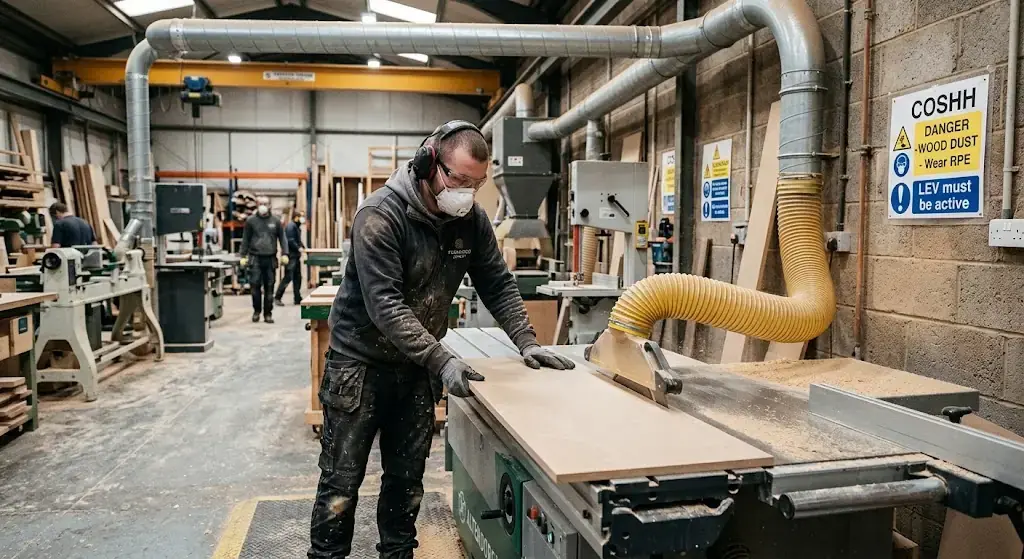
Woodworking dust exposure and COSHH compliance in an industrial workshop

Why choose ARM for wood dust workplace exposure testing?

We don't just measure wood dust. We trace exposure back to the machines, tasks and controls behind it, then report in plain English with next steps you can act on. We are air quality specialists, using current best-practice frameworks to guide every assessment.


We're SafeContractor and BESA certified, and we play an active role in shaping UK standards like BS 40102. Whether you need a one-off wood dust exposure assessment or ongoing monitoring support, we deliver clear results you can act on.
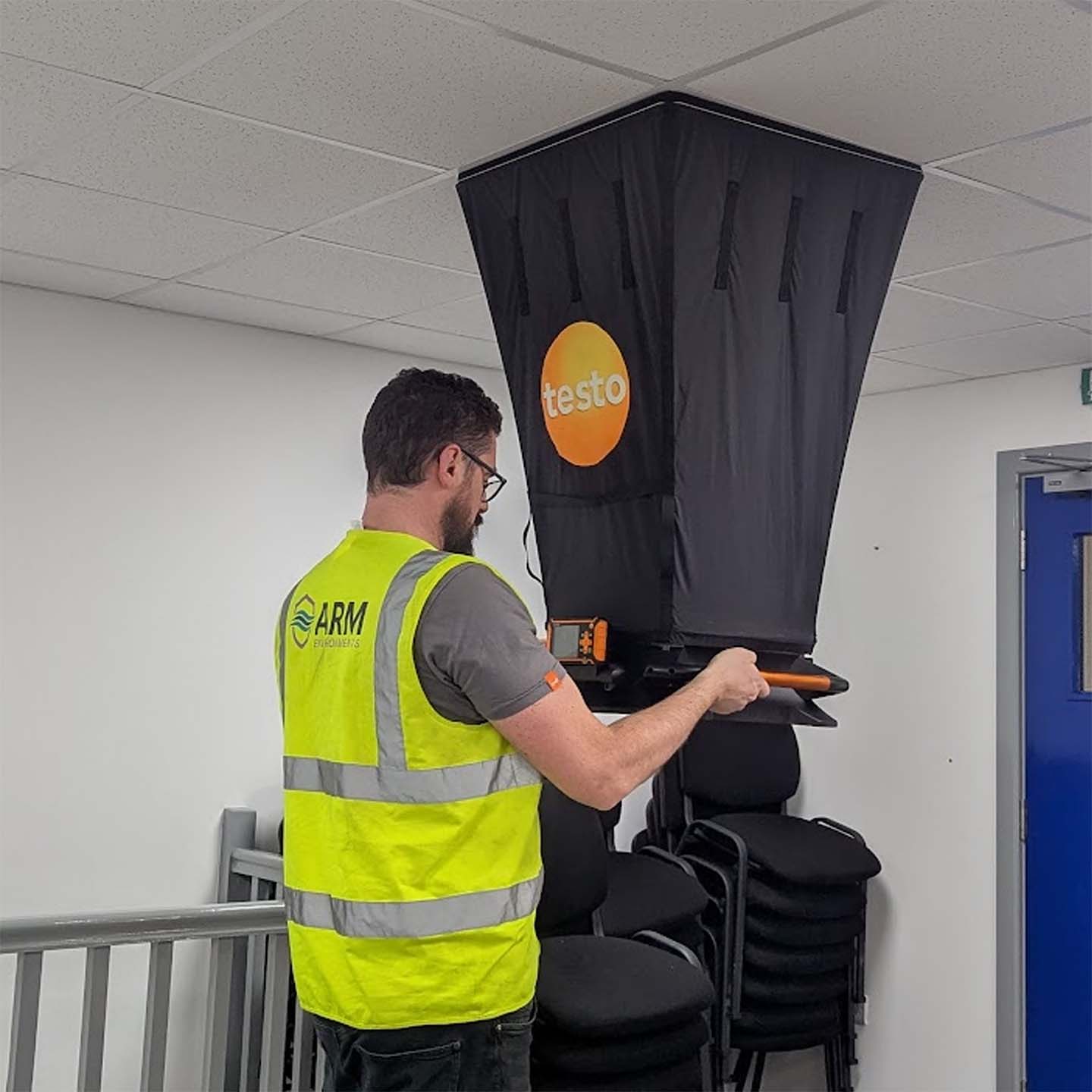
ARM Environments accredited contractor performing airflow testing

Need more information?

Talk to one of our air quality hygiene experts today about testing your exposure to wood dust under EH40/2005.

Frequently Asked Questions

What is the workplace exposure limit for wood dust in the UK? ↓

The UK WEL for hardwood dust is 3 mg/m³ and for softwood dust is 5 mg/m³, each averaged over 8 hours, as listed in HSE's EH40/2005. Where the two are mixed, the hardwood limit of 3 mg/m³ applies to all of the wood dust present. EH40 lists no separate short-term limit, and recommends three times the long-term limit as a guideline for controlling short-term peaks.

Is wood dust a carcinogen? ↓

HSE states that hardwood dust can cause cancer, particularly of the nose, and EH40 gives hardwood dust a Carc notation. Wood dust is also a respiratory sensitiser and can cause occupational asthma and dermatitis. As a result, COSHH requires wood dust exposure to be reduced as low as is reasonably practicable, not just kept under the WEL.

What is the exposure limit for MDF dust? ↓

MDF dust is wood dust from a composite board, and HSE's woodworking guidance covers it alongside hardwood and softwood dust. In practice it is generally assessed against the tighter 3 mg/m³ limit, and the resins and binders in the board can need separate consideration. Check the board's safety data sheet and take advice when planning MDF dust exposure monitoring.

How do you test for wood dust exposure? ↓

Wood dust is tested by personal air sampling: a worker wears a pump and sampling head that collects inhalable dust during their shift, and the filter is weighed in a laboratory. The result is calculated as an 8-hour time-weighted average and compared with the 3 mg/m³ hardwood or 5 mg/m³ softwood limit.

Do I need a COSHH assessment for wood dust? ↓

Yes. Any work that creates wood dust employees could breathe in falls under COSHH and needs an assessment identifying the controls required. Air monitoring then evidences whether those controls keep exposure below the WEL.

What should a wood dust COSHH assessment include? ↓

A wood dust COSHH assessment should identify the tasks and machines that create dust, the wood species and boards used, who is exposed and for how long, the controls in place (extraction, LEV, enclosure, cleaning methods, RPE), and the health surveillance arrangements. Personal exposure monitoring results then show whether those controls are working. Our report is designed to slot straight into your COSHH records.

What's the difference between a dust monitor reading and a wood dust lab test? ↓

A real-time dust monitor gives a useful indication that airborne dust is elevated and when peaks happen, but it is not the method used to compare exposure with the WEL. A laboratory-weighed personal sample of the inhalable fraction is. We often recommend both: a monitor for ongoing tracking, a personal sample for evidence.

How often should wood dust exposure be monitored? ↓

EH40 does not set one fixed interval. COSHH regulation 10 requires monitoring in certain specified situations, and the frequency should follow your risk assessment. Re-test when machines, wood species, tasks or controls change, or when previous results were close to the limit.

What should I do if wood dust exposure is over the WEL? ↓

Review and improve controls first, such as on-tool extraction, local exhaust ventilation, machine enclosure and wet or vacuum cleaning instead of dry sweeping, and use RPE only where exposure cannot otherwise be reduced enough. Then re-test to confirm the changes have worked.

How much does wood dust testing cost? ↓

Typical wood dust WEL assessments carried out by ARM Environments cost in the region of £750 to £2000, depending on the location and scale of the survey. Talk to a specialist and obtain a free quote for your workplace.

Speak to a specialist

Share your concerns and compliance requirements. Our team will respond promptly to discuss how we can help you keep your workers safe.

Terms & Conditions | Privacy Policy
©2026 ARM Environments. All Rights Reserved.

safecontractor approved accreditation certificate
ARM Environments is BESA accredited
ukas inspection certificate
SSIP member certificate

+44 (0)1722 710312
22 High St, Alderbury, Salisbury SP5 3DU