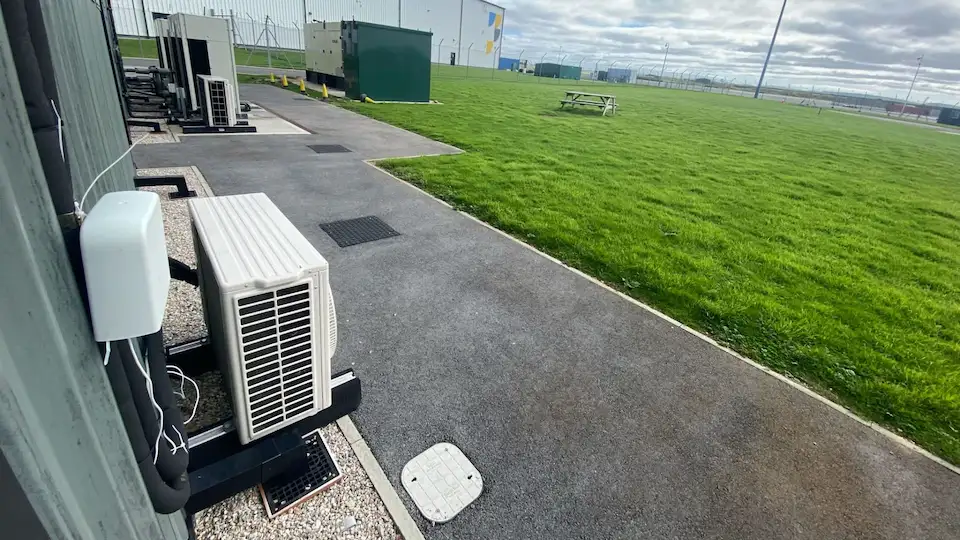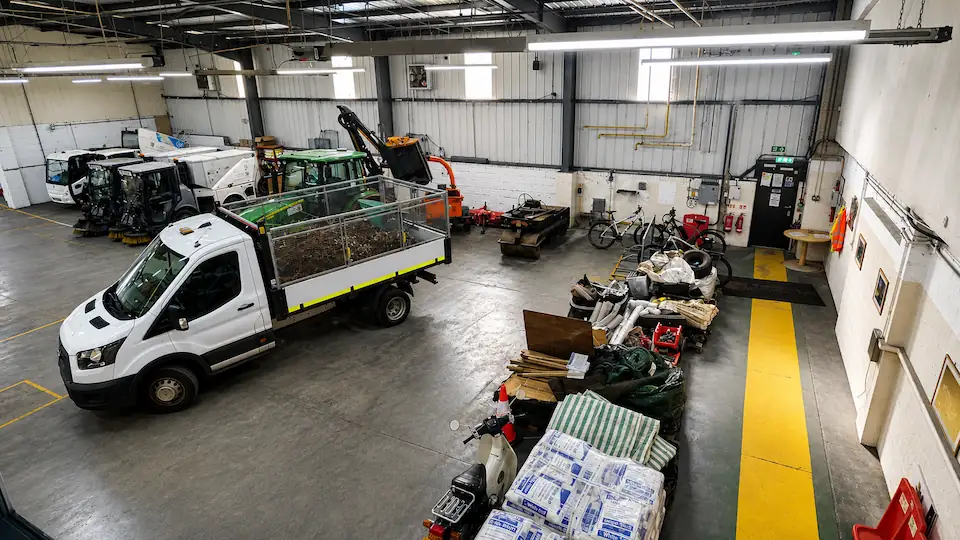
IAQ Monitoring in Retail Store
- Energy Efficiency Improved
- Vehicle Emissions Risk Identified
- TVOCs Monitored

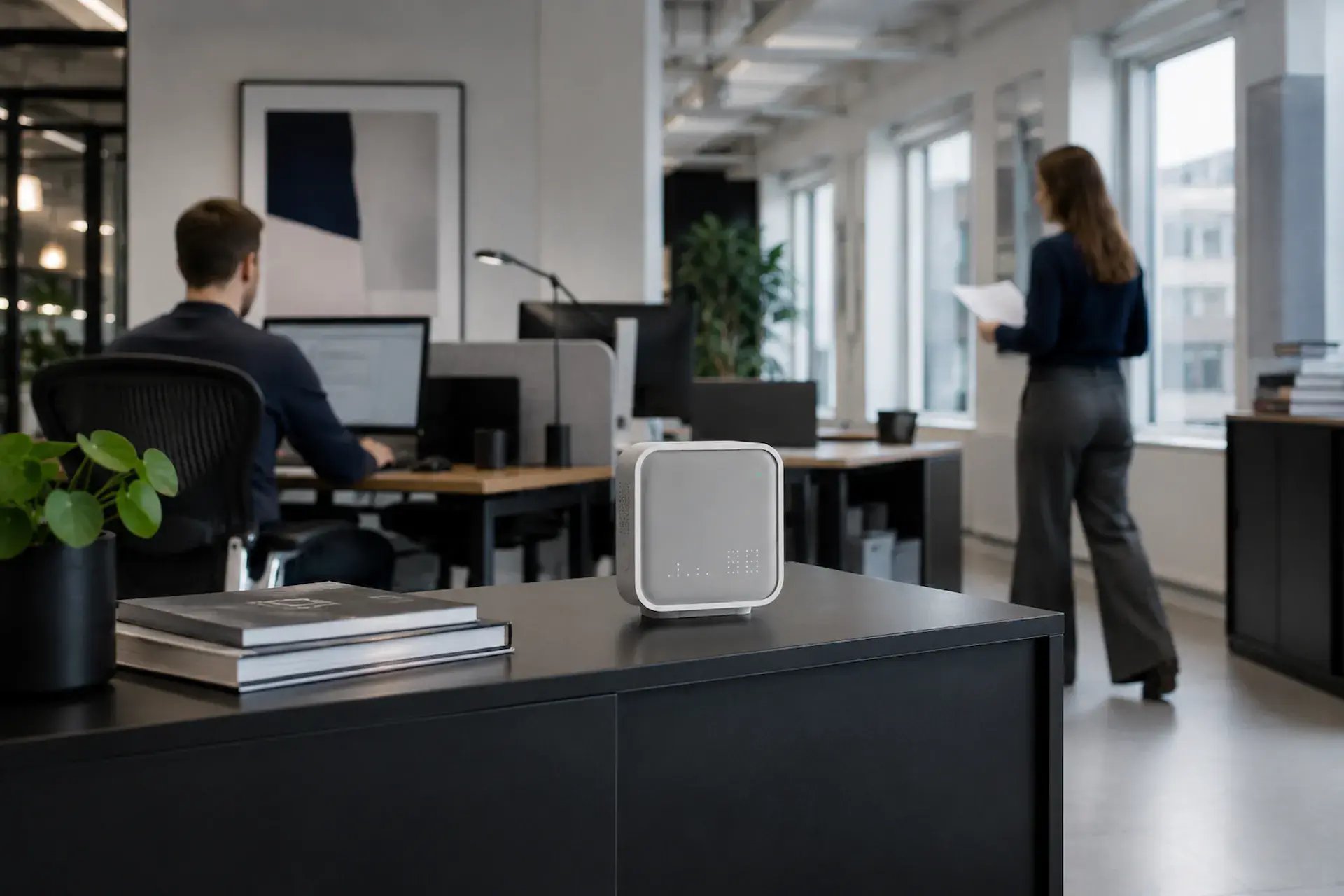
Identify VOC levels, understand likely sources, and receive a clear report with practical next steps.
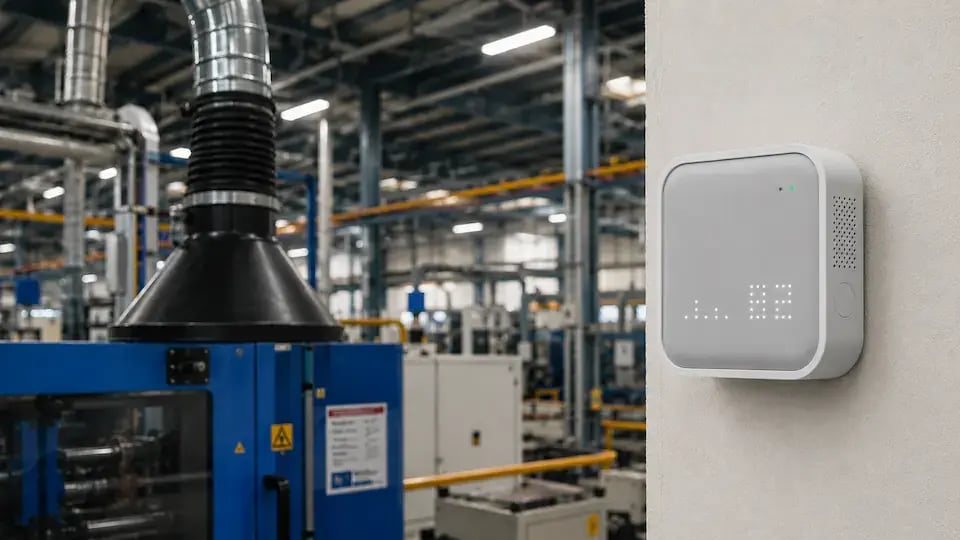
Measure respirable crystalline silica exposure against the 0.1 mg/m³ workplace exposure limit, and get a clear report with practical next steps.




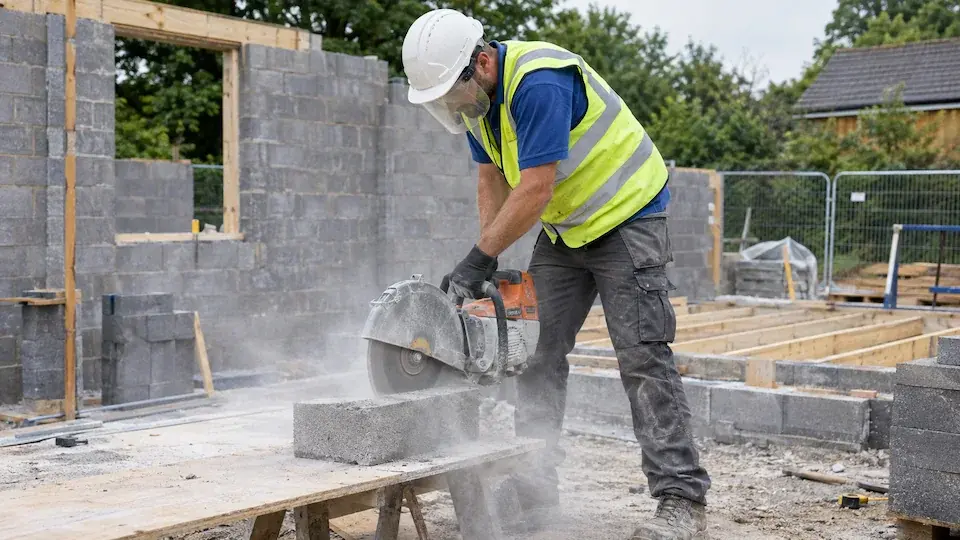
Silica dust WEL testing measures how much respirable crystalline silica (RCS) a worker breathes in during a shift and compares it with the UK workplace exposure limit (WEL) of 0.1 mg/m³, averaged over 8 hours. The limit is published in HSE's EH40/2005 and applies under COSHH, the Control of Substances Hazardous to Health Regulations. ARM Environments takes personal air samples on site and reports the results against the limit, with practical recommendations on controls.
Respirable crystalline silica is the fine fraction of dust released when materials containing quartz, cristobalite or tridymite are cut, drilled, ground or broken. Concrete, brick, mortar, stone and engineered stone are the usual sources. The respirable fraction is too fine to see in normal lighting, so a visible dust cloud is a warning sign rather than a measurement.


Yes. COSHH applies wherever work creates silica dust that employees could breathe in, and the assessment has to identify the controls needed. Air monitoring supports that assessment by showing what exposure really is, instead of what you estimate it to be.
Under COSHH, control is only adequate if good control practice is applied, the WEL is not exceeded, and exposure to carcinogens is reduced as low as is reasonably practicable. Meeting the 0.1 mg/m³ figure is therefore the minimum, not the finish line.

 Step 1
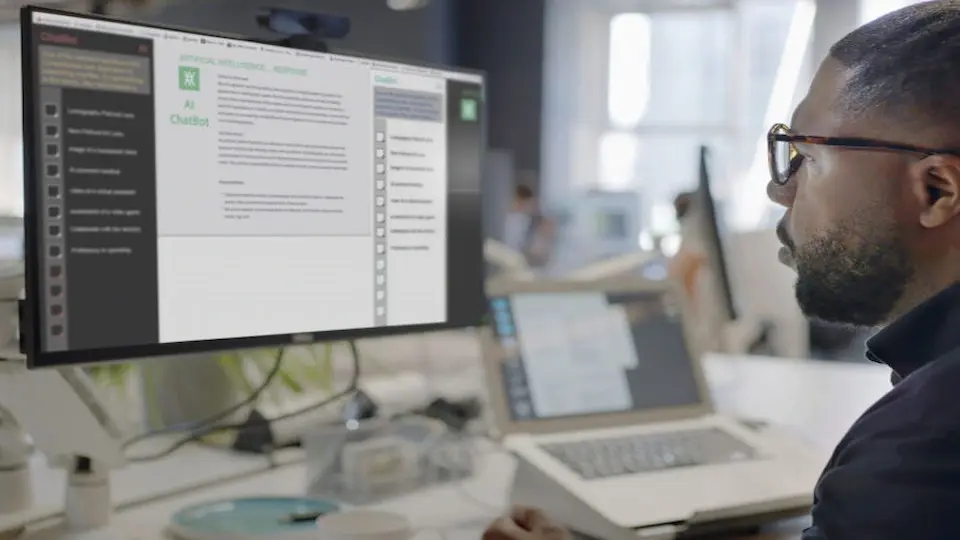
Samples are taken in the breathing zone of workers, then reported as an 8-hour time-weighted average (TWA) against 0.1 mg/m³. EH40's limits relate to personal monitoring, so this is the measurement that counts.
 Step 2
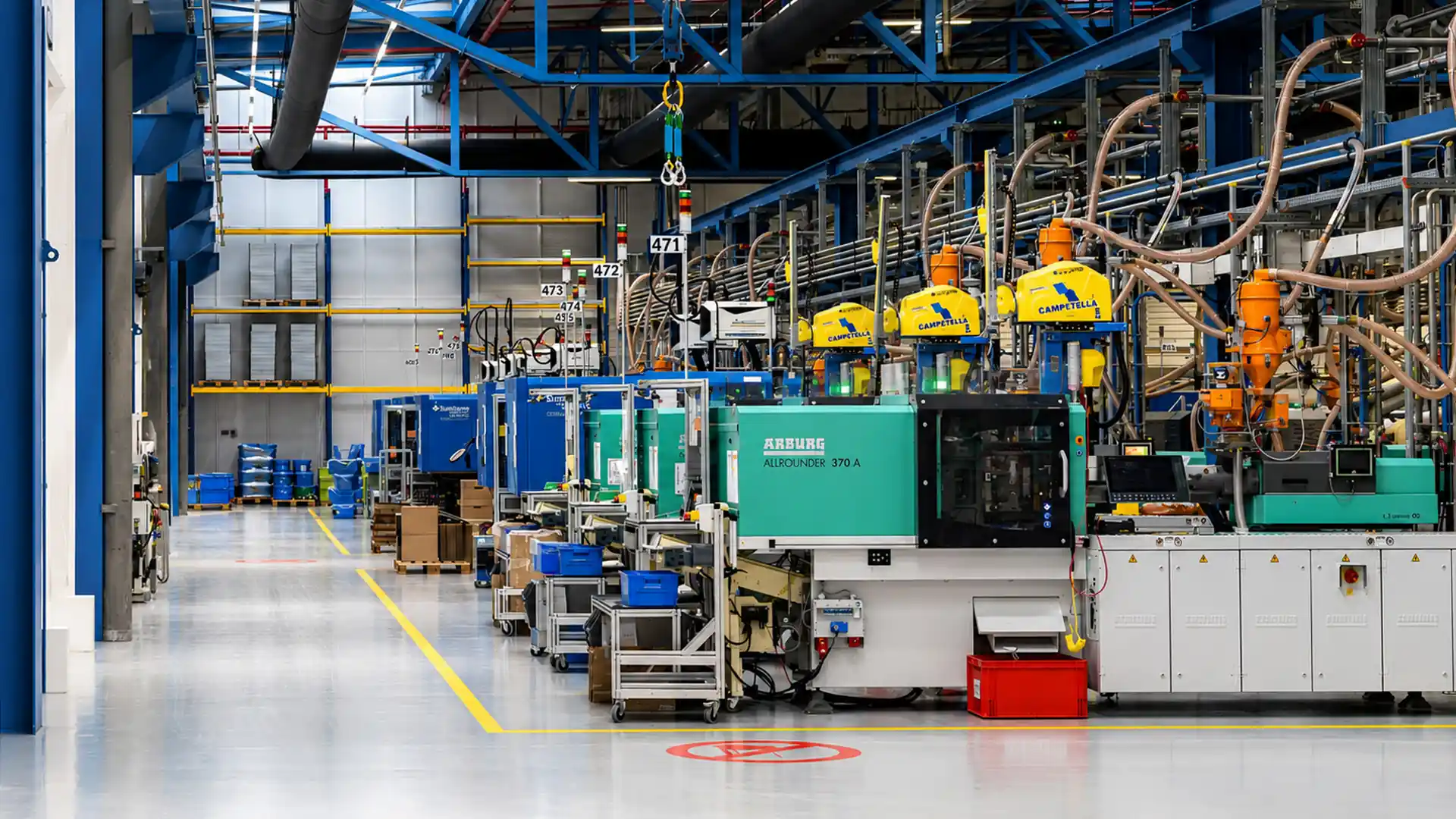
We look at what is generating the dust and whether wet cutting, on-tool extraction, LEV or housekeeping are controlling it, so results can be traced back to specific tasks.
 Step 3
A tailored report with results against the WEL, the calculation behind them, and practical recommendations such as improved controls, RPE selection where needed, and re-testing after changes.
Silica dust testing uses personal air sampling. The employee wears a small pump that draws air through a sampling head collecting the respirable dust fraction, usually across a full shift or a representative part of it. A laboratory then analyses the sample for crystalline silica, and the result is calculated as an 8-hour TWA.
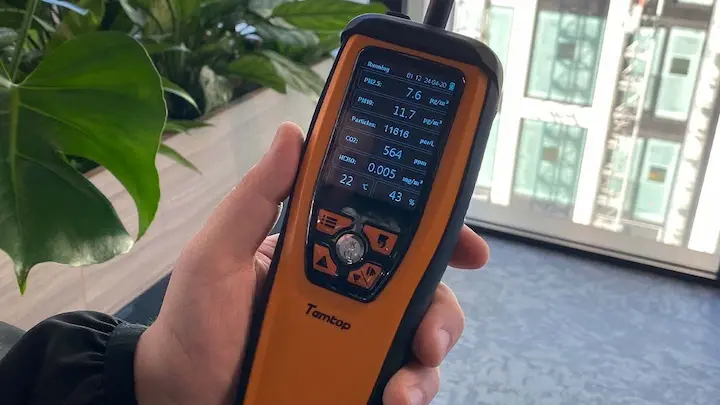
We can also deploy a range of monitors and sensors to remotely view the overall air quality and ventilation effectiveness in the building.
UK manufacturers in the industrial sector have specific legal obligations for indoor air quality and ventilation. We help facilities managers understand compliance requirements and implement practical solutions.
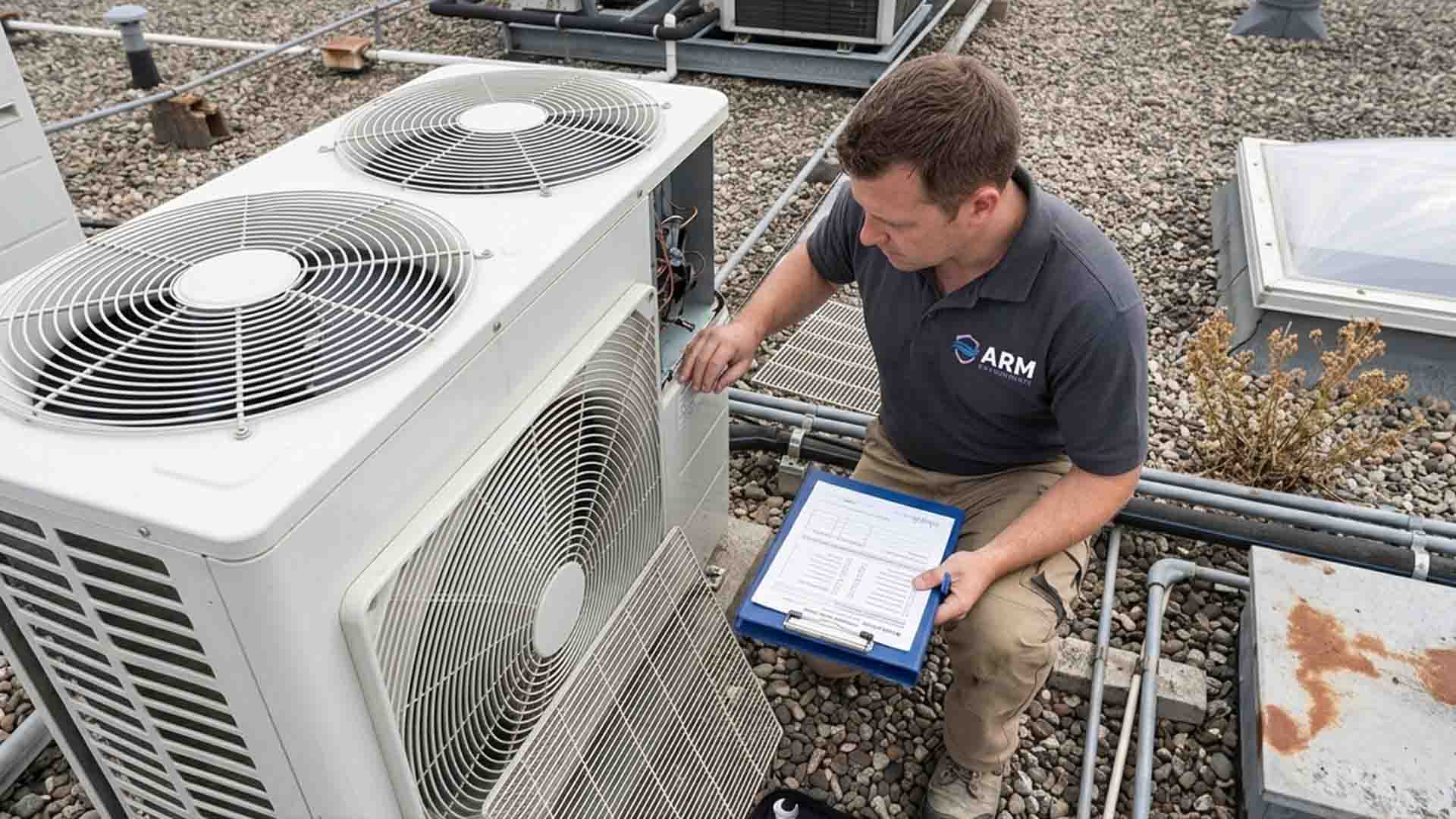
Employers must prevent or control exposure to hazardous substances under COSHH. For silica, that means keeping exposure below the WEL and reducing it as low as is reasonably practicable, because RCS carries a Carc notation.
Where workers are significantly exposed, health surveillance under COSHH regulation 11 may also be required, so take advice from an occupational health professional.
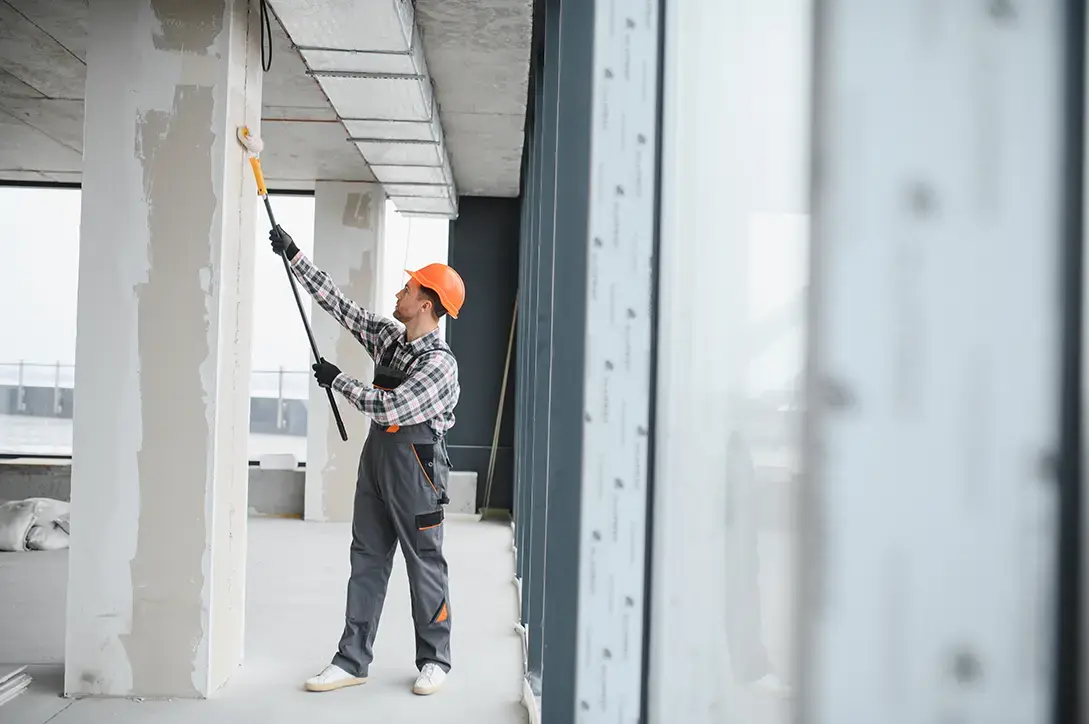
We don't just measure silica dust. We trace exposure back to the tasks and controls behind it, then report in plain English with next steps you can act on. We are air quality specialists, using current best-practice frameworks to guide every assessment.
We're SafeContractor and BESA certified, and we play an active role in shaping UK standards like BS 40102. Whether you need a one-off exposure assessment or ongoing monitoring support, we deliver clear results you can act on.


+44 (0)1722 710312
22 High St, Alderbury, Salisbury SP5 3DU